Oura Advisor Experimental AI Guidance
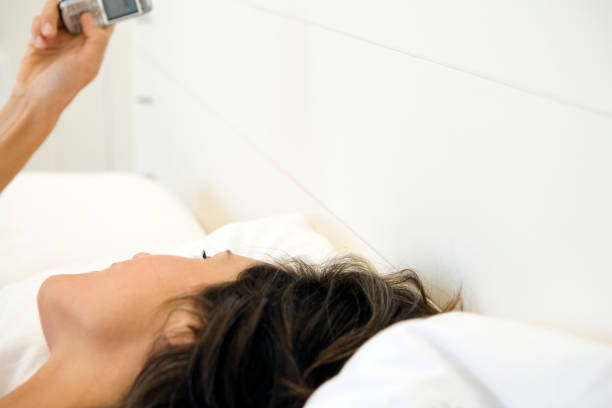
First, let’s talk about why sleep matters. You already know you feel better after a good night’s rest, but the science goes deeper. Quality sleep affects your memory, mood, immune system, and even your risk for chronic conditions like heart disease and diabetes. The problem is that many American adults aren’t getting enough restorative sleep. Work stress, late-night screen time, and poor sleep hygiene all play a role. That’s where wearables come in. They help you measure what’s actually happening when you close your eyes.
Wearables have evolved from simple step counters into sophisticated sleep monitors. Devices like the Oura Ring use sensors to detect your movement, heart rate variability, and skin temperature. They can tell you how much time you spent in light sleep, deep sleep, and REM sleep. But data alone isn’t always helpful. You might see that you only got six hours of sleep, but you’re left wondering what to do about it. That’s where artificial intelligence, and specifically Oura Advisor, steps in to bridge the gap.
The Oura Advisor experimental AI guidance works by analyzing your personal sleep trends. Instead of giving you generic tips like “go to bed earlier,” it looks at your specific patterns. For example, if your data shows that your heart rate stays elevated until late at night, the AI might suggest winding down with a breathing exercise or reducing caffeine after 2 PM. If your body temperature readings are high, it might recommend a cooling mattress pad or a lighter blanket. The goal is to make sleep optimization personal, not theoretical.
This kind of personalized AI coaching is still experimental, but it represents a major shift in how we approach sleep health. In the past, you might have bought a new pillow or tried a sleep aid based on a friend’s recommendation. Now, you can let your own body guide you. The AI learns from your nightly data and adapts its advice over time. That means if you start following its suggestions, the system can see what works and refine its recommendations. It’s like having a sleep coach who pays attention to every single night you log.
Of course, no wearable is perfect. The Oura Advisor is experimental, which means it might not always get it right. Sleep science is complex, and factors like stress, diet, and medical conditions can throw off any algorithm. But the potential is huge. For people who struggle with common causes of poor sleep—like anxiety, inconsistent schedules, or an uncomfortable sleep environment—having a data-driven coach can make a real difference. It can help you connect the dots between what you do during the day and how you sleep at night.
If you’re considering using wearables to improve your sleep, start with the basics. Make sure you’re wearing the device consistently and charging it as needed. Sync it with a sleep tracking app, and pay attention to the trends, not just one night’s score. Then, if you have access to an AI coaching feature like Oura Advisor, give it a try. See if its suggestions feel relevant to your life. You might find that small changes, like adjusting your room temperature or shifting your dinner time, have a bigger impact than you expected.
Looking ahead, the future of sleep technology will likely involve even more integration between wearables, AI, and your home environment. Imagine your smart thermostat adjusting the temperature based on your sleep stage, or your smart lights dimming automatically when your wearable detects you’re winding down. That future is closer than you think, and tools like Oura Advisor are paving the way.
For now, the most important step is to start paying attention. Whether you use an Oura Ring, a smartwatch, or another device, wearable sleep trackers give you a window into your nightly rest. Pair that with AI guidance, and you have a powerful tool for transforming your sleep habits. You don’t have to overhaul your life overnight. Just take the data, listen to the coach, and make one small change at a time. Your body will thank you.
Dream Blog
Real sleep talk for real people.


Why Drowsy Driving Is Just as Dangerous as Drunk Driving