Audio Closed-Loop Stimulation in Real-Time
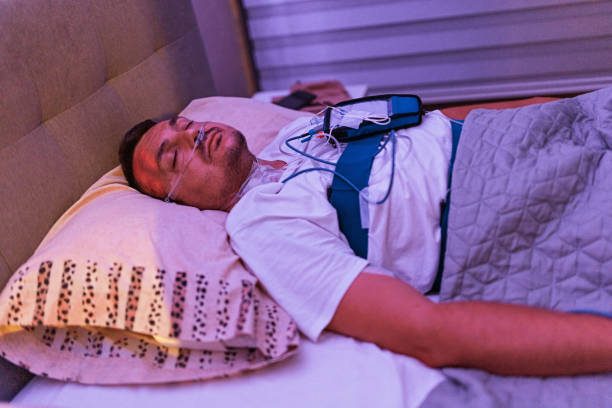
Audio closed-loop stimulation sounds technical, but the idea is simple. A wearable headband equipped with EEG sensors reads your brain’s electrical activity as you sleep. It listens for specific brainwave patterns—most often the slow oscillations that mark deep sleep, also called NREM stage 3 sleep. When the device detects that you are in the right stage, it sends a brief, precisely timed audio tone through small speakers or bone conduction transducers. That tone is so quiet you might not consciously hear it, but your brain does. The pulse nudges your neural activity to synchronize and strengthen the slow waves that are critical for memory consolidation, cellular repair, and feeling refreshed the next morning. Because the system is “closed-loop,” it constantly adjusts—if your brainwaves shift, the stimulation changes or stops. It is not a one-size-fits-all playlist. It is a live conversation between your brain and the device, happening hundreds of times a night.
Why does this matter for someone who just wants better sleep? Because traditional sleep aids often dull brain activity rather than enhance it. Pills can knock you out, but they may suppress the very slow-wave sleep you need. Audio closed-loop stimulation is different. It works with your brain’s natural architecture, not against it. Research published in journals like Current Biology and Nature Communications has shown that this technique can boost slow-wave activity by twenty to thirty percent in a single night. Participants in studies report feeling more rested, performing better on memory tasks, and even showing improvements in next-day mood and alertness. For adults who struggle with light, fragmented sleep—especially common as we age—this could be a game changer.
The wearable headband is the key piece of hardware that makes this possible. Unlike bulky hospital EEG machines that require a technician and a cap full of wires, modern sleep headbands are designed for comfort. They are lightweight, made from soft fabrics, and worn like a crown or a thin strap across the forehead. Inside, they pack high-quality sensors that filter out motion and environmental noise so they can read your brainwaves accurately even if you toss and turn. Some models, like the Dreem 2 or the Muse S, have already incorporated closed-loop audio features. Others are emerging from startups focused on neuromodulation. The battery life is usually enough for a full night, and the data syncs to a smartphone app so you can see your sleep architecture the next morning—how much deep sleep you got, how many stimulations were delivered, and how your brain responded.
One of the most promising aspects of this technology is that it targets the root of poor sleep rather than just the symptoms. Many Americans suffer from sleep maintenance insomnia—waking up in the middle of the night and struggling to fall back asleep. Real-time closed-loop stimulation can help stabilize the sleep cycle, reducing those middle-of-the-night awakenings. It is also being studied for its potential to enhance memory in older adults and to support recovery in people with mild cognitive impairment. The best part? There are no side effects like grogginess or dependency, because the stimulation is purely acoustic and naturally paced.
Of course, this is not a replacement for good sleep hygiene. You still need a cool, dark room, a consistent bedtime, and a comfortable mattress and pillow. But for those who have done everything right and still feel tired, a headband with real-time audio closed-loop stimulation offers something new: a direct, non-invasive way to improve your brain’s sleep quality while you dream. As the technology becomes more affordable and widely available, it is likely to become as common as a sleep tracker on your wrist. For now, it represents the leading edge of sleep science—and a hopeful, gentle solution for the millions of Americans who just want a good night’s rest.
Dream Blog
Real sleep talk for real people.


Air Quality Monitors Turning On Purifiers

Shift Work Survival Strategies That Work