The Sleep Cove Podcast Phenomenon

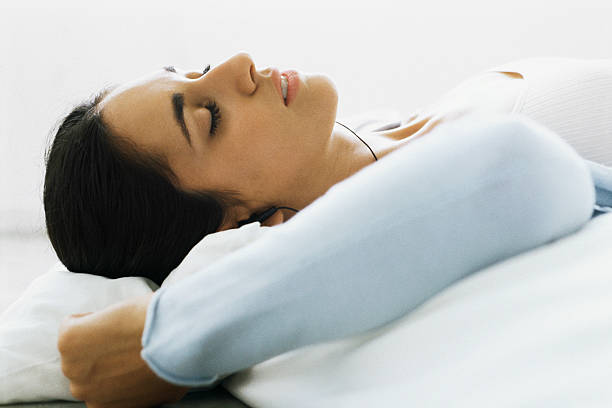
The core appeal of Sleep Cove lies in its simplicity. Unlike many sleep aids that require you to buy a device, download an app, or remember to charge a wearable, this podcast is free and accessible to anyone with a smartphone or computer. Each episode runs about thirty minutes and is designed to be listened to in bed, with eyes closed. The audio combines gentle music, soft-spoken narration, and hypnotic suggestions that ease your brain from the hyper-alert state of daily life into a calm, drowsy fog. For many users, it’s the first time they’ve ever experienced falling asleep in under twenty minutes without medication.
Why has this particular podcast become a phenomenon? The answer lies in the psychology of sleep aids. Traditional solutions like warm milk, chamomile tea, or over-the-counter supplements work for some, but they don’t address the underlying noise in our heads. Sleep hypnosis, which is the foundation of Sleep Cove, trains your subconscious to associate certain sounds and words with deep rest. Over time, just hearing Christopher’s voice can trigger a relaxation response, much like Pavlov’s dogs salivating at a bell. This conditioning makes the podcast a reliable sleep aid that gets more effective the more you use it.
From a scientific perspective, audio-based sleep aids are backed by solid research. Studies show that bedtime routines that include calming auditory input can lower cortisol levels, slow heart rate, and improve sleep latency—the time it takes to fall asleep. Sleep hypnosis specifically helps quiet the default mode network in the brain, the part responsible for worry, planning, and rumination. For adults juggling work stress, family responsibilities, and the constant ping of notifications, this is a godsend. The Sleep Cove Podcast Phenomenon has tapped into a massive demand for cheap, side-effect-free sleep aids that actually work.
Of course, no single sleep aid works for everyone. Some people find that they need a more structured approach, like combining hypnosis with a consistent sleep schedule, blackout curtains, or a supportive mattress. Others might prefer wearable sleep trackers that monitor heart rate and movement, providing data that helps them tweak their habits. But for many, Sleep Cove offers something these other aids cannot: a gentle, human presence that makes you feel cared for as you drift off. There’s no screen light, no buzzing from a smartwatch, no bitter taste of melatonin. Just a quiet voice guiding you toward rest.
The podcast has also sparked a broader conversation about sleep hygiene and the role of audio aids in our nightly routines. Before Sleep Cove, most people thought of sleep hypnosis as fringe or even pseudoscientific. Now, it’s mainstream. The podcast’s success has inspired imitators and spin-offs, from rain sound channels to meditation apps, but none have matched its loyal following. Fans often describe it as their secret weapon against insomnia, a tool that works when nothing else does.
As we look to the future of sleep, audio aids like Sleep Cove represent a bridge between ancient relaxation techniques and modern digital accessibility. They remind us that sometimes the best solutions are the simplest—a voice, a story, and permission to let go. Whether you’re a chronic insomniac or just someone who wants to optimize your rest, this podcast phenomenon is worth a listen. Just press play, close your eyes, and let the waves of sound carry you to a place where sleep comes naturally.
Dream Blog
Real sleep talk for real people.

Humidity Extraction From The Duvet Cavity

High-Stress Jobs and The Control Gap