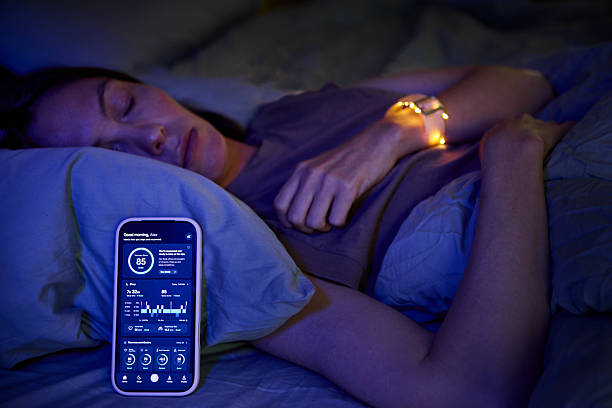
Why Your Sleep Diary Might Be More Useful Than Your Fancy Wearable
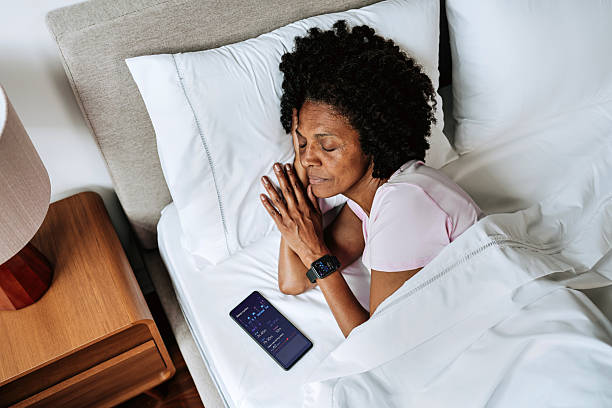
The rise of the sleep diary isn’t a rejection of technology. It’s a recognition that your own experience matters more than any algorithm. Wearables are great at collecting data, but they struggle with context. They can’t tell you that you slept poorly because you argued with your spouse at dinner. They can’t know that your mind was racing because of a deadline. They can’t feel the subtle ache in your neck from a bad pillow. A sleep diary captures all of that. It puts the human back in the equation, and that makes it one of the most powerful sleep monitoring tools we have.
Here’s how it works in practice. Every morning, within thirty minutes of waking, you jot down a handful of things. What time did you get into bed? What time did you fall asleep – or best guess? How many times did you wake up during the night? What did you do in the hour before bed? Did you drink caffeine after lunch? How stressed did you feel yesterday on a scale of one to ten? And then, the most important question: how refreshed do you feel this morning? That last one is a goldmine. You might sleep eight hours and feel terrible, or sleep six hours and feel great. The diary lets you spot those patterns. Over time, you start noticing that your worst mornings almost always follow a late-night workout or a glass of wine with dinner. No wearable will ever tell you that.
The beauty of the sleep diary is that it’s not trying to be precise. It’s not measuring brain waves or oxygen saturation. It’s measuring your lived reality, which is messy but meaningful. When you write down that you tossed and turned all night, and your tracker says you slept soundly, you have to ask yourself a question: which one is true? The answer is that both are useful. The tracker gives you objective data about your body, but the diary gives you subjective data about your mind. And guess what? Your mind is the thing that wakes up and has to live your day. If you feel exhausted, you’re exhausted, no matter what the algorithm says.
Another reason the sleep diary has made such a comeback is that it forces you to be honest with yourself. When you have to write down that you were scrolling your phone until 1 a.m., you can’t pretend you don’t know why you’re tired. The act of recording is also a form of accountability. You start making better choices simply because you don’t want to write down that you ate a brownie at 11 p.m. again. It’s not about guilt; it’s about noticing cause and effect. And that’s where the real magic happens.
If you want to start a sleep diary, keep it simple. A notebook by your bed works great. There are also apps, but paper is fine – it’s actually easier because it doesn’t emit blue light. What matters is consistency. Do it every day for at least two weeks. Don’t obsess over the details. Just capture the basics: bedtime, wake time, wake-ups, mood, and any habits that might matter. After two weeks, read back through it. You will see patterns you never imagined. Maybe you sleep better on nights when you read versus nights when you watch TV. Maybe your worst sleep always happens on Tuesdays because of your late afternoon coffee habit. Maybe the only thing standing between you and a great night’s sleep is keeping your bedroom three degrees cooler.
The sleep diary isn’t a replacement for your wearable, of course. Use both. Wear the tracker to get thousands of data points about your physiology. Use the diary to get the story behind those data points. Together, they give you a complete picture. But if you can only afford one, skip the fancy gadget. A five-dollar notebook and a pen will tell you more about your sleep than a hundred-dollar sensor, because that notebook is filled with the one thing no machine can measure: your own honest experience of your own life.
So tonight, before you climb into bed, put a notebook and a pen on your nightstand. Tomorrow morning, before you check your phone, write down how you slept. Then do it again the next day, and the next. Before long, you’ll know exactly what your sleep needs – and that’s power no app can give you.
Dream Blog
Real sleep talk for real people.

Kapok Fiber The Vegan Down Alternative