What Your Wrist Watch Knows About Your Sleep (And What to Do With It)
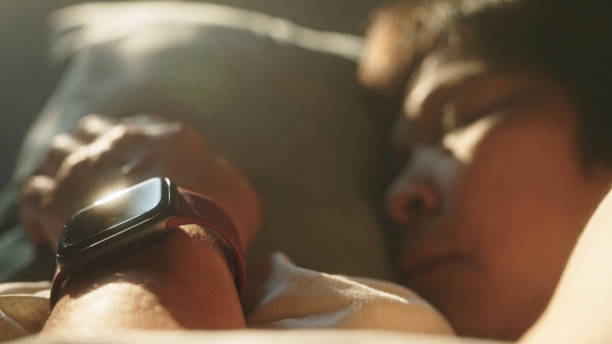
First, understand what your watch is actually tracking. Most modern wrist devices use a combination of accelerometers (to detect movement) and optical heart rate sensors (to detect blood flow). Some also measure skin temperature, blood oxygen, and even respiratory rate. During sleep, your body cycles through light, deep, and REM stages, and your watch uses your movement and heart rate variability to estimate which stage you’re in. When you’re in deep sleep, you typically move very little and your heart rate settles into a steady rhythm. During REM, your eyes dart around, your muscles are temporarily paralyzed, and your heart rate can fluctuate more. No wearable can detect these stages with perfect medical accuracy, but the best consumer devices are surprisingly good at seeing the broad patterns. Instead of obsessing over whether you got exactly two hours of deep sleep, think of your watch as a friendly guide that shows you the shape of your night.
That shape matters more than you might realize. Perhaps the most useful thing your watch gives you is a consistent record of your total sleep duration and your regularity. Going to bed and waking up at roughly the same time every day is one of the most powerful ways to improve your sleep, and your wearable makes that obvious. When you look at a week’s worth of sleep data, you might notice that you get great sleep on nights before workout days, or that your sleep quality dips after you have a late glass of wine. You might see that your Saturday morning lie-in leaves you feeling groggier than your usual 6:30 wake-up. Your watch doesn’t judge you, it just shows you the trends. Many Americans are chronically sleep-deprived, and just seeing that you average six hours and twenty minutes over the last month can be a wake-up call that rivals your morning alarm.
To actually improve your sleep, focus on the metrics that are actionable. Your sleep score is a nice summary, but it can feel like a grade from a tough teacher. Instead, pay attention to your resting heart rate and heart rate variability. A lower resting heart rate during sleep generally suggests good cardiovascular fitness and relaxation. If your resting heart rate is creeping upward over several nights, that could be a sign of stress, dehydration, or even an approaching illness. Similarly, heart rate variability, or HRV, tends to be higher when your body is well-recovered and ready to face the day. Watching your HRV trend can help you make better decisions about exercise, caffeine intake, and evening wind-down routines. If you see a poor HRV, maybe skip the intense morning workout or dial back on the evening screens.
Blood oxygen tracking can also be useful, especially if you suspect a problem like sleep apnea. While wrist-based pulse oximeters are not diagnostic tools, they are decent at detecting patterns of periodic drops in oxygen. If your watch repeatedly warns you about low blood oxygen overnight, that is a solid reason to talk to your doctor. Many people have discovered they have sleep apnea this way, and treating it can transform their lives. On the other hand, do not panic if you see a single night with a slight dip. Occasional variations are normal. Look for consistent patterns over weeks.
Another useful feature is the smart alarm, which wakes you during a light sleep stage within a window you set. Instead of being yanked out of deep sleep, your watch gently vibrates when you are already close to waking. Many people find this makes mornings feel dramatically easier. That simple change can do more for your mood than any expensive pillow. Just make sure you sync the watch’s alarms with a backup sound alarm if you are a heavy sleeper.
There is a downside, though. Becoming too fixated on your sleep data can backfire. This is literally called orthosomnia, and it happens when people get anxious about their sleep scores and then sleep worse because of that anxiety. If you wake up and immediately check your score with a racing heart, you are defeating the purpose. Remember that your watch is a tool, not a truth-teller. It gives estimates and trends, not absolute medical facts. A good night’s sleep does not depend on hitting a perfect score of ninety. It depends on waking up feeling refreshed and alert. If your watch says you slept poorly, but you feel great, trust how you feel. Use the data to inform your habits, not to dictate your worth.
Ultimately, wrist-worn fitness and health watches are at their best when they help you build consistent, relaxing habits. Use them to set a regular bedtime, to remind you to wind down, and to track your recovery over time. Look for weekly patterns rather than nightly snapshots. If you notice a trend, like poor sleep after late eating, adjust one thing at a time. Keep your focus on feeling good, not on perfect scores. Your watch is on your wrist, but your sleep is in your hands. With a little wisdom, you can use that tiny screen to unlock some of the best rest of your life. And that is worth waking up for.
Dream Blog
Real sleep talk for real people.

Replacing Every 18 Months Rule
Central Versus Obstructive Apnea Simplified