The VLPO Master Sleep Switch On
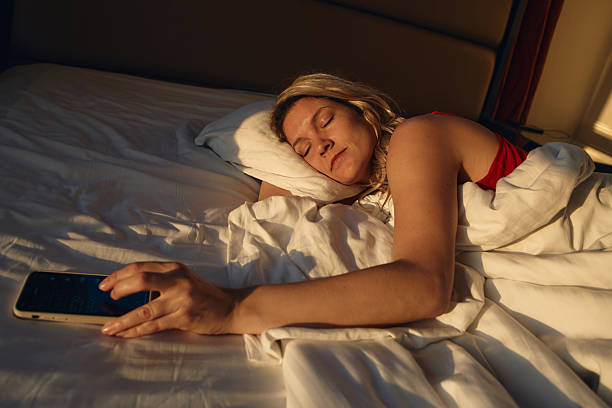
At SleepGoals, we believe that great sleep isn’t magic; it’s science. And the science of the sleep-wake switch is one of the most fascinating pieces of the puzzle. Your brain doesn’t simply run out of energy and shut down like a phone battery. Instead, it actively decides to sleep through a precise interplay of chemical signals, and the VLPO sits at the center of that decision.
The VLPO is sometimes called the sleep-promoting center. Its primary job is to inhibit the brain’s arousal systems, the networks that keep you alert, focused, and awake. These arousal systems include the locus coeruleus, which produces norepinephrine, and the raphe nucleus, which produces serotonin. When these regions are active, you feel sharp and awake. The VLPO, however, acts like a gentle brake. When it fires, it releases inhibitory neurotransmitters, primarily GABA and galanin, that quiet those arousal centers. Once the arousal centers are silenced, your brain can transition into non-REM sleep, and eventually into the deeper, restorative stages like slow-wave sleep and REM.
This process is a delicate balance. Think of it as a seesaw. On one side is the VLPO (sleep). On the other side is the arousal system (wakefulness). Throughout the day, your body accumulates a chemical called adenosine, a byproduct of energy use. As adenosine builds up, it pushes on the sleep side of the seesaw, making you feel sleepier. Caffeine, by the way, works by blocking adenosine receptors, which is why it temporarily keeps the wake side lifted. At night, as adenosine levels peak and your internal circadian clock signals darkness, the VLPO becomes more active. It flips the switch, and you drift off.
But here’s where the trouble starts for many adults. Stress, anxiety, late-night screen exposure, and irregular schedules can destabilize this switch. If your arousal system is hyperactive due to worry, the VLPO may struggle to overcome it. That’s why you can feel exhausted yet still lie awake; your arousal circuits are simply overriding the sleep signal. Similarly, if you’ve trained your brain to associate your bed with scrolling, working, or worrying, the VLPO may not engage properly. This is a phenomenon called conditioned arousal, and it’s a common culprit in chronic insomnia.
Fortunately, you can support your VLPO and make it easier for this master switch to flip. The most powerful tool is consistency. Going to bed and waking up at the same time every day, yes even on weekends, trains your brain to release sleep-promoting chemicals at predictable times. Your VLPO learns when to start firing. Another effective strategy is creating a cool, dark, and quiet sleep environment. The VLPO is sensitive to your core body temperature; a slight drop in temperature helps trigger sleep onset. That’s why cooling sheets and breathable mattresses can make a real difference. They aren’t gimmicks; they support your biology.
Limiting blue light exposure in the hour before bed also helps. Blue light from phones, tablets, and laptops suppresses melatonin, a hormone that works in tandem with the VLPO. Without adequate melatonin, the sleep switch may not engage fully. Instead, try reading a physical book, listening to calm music, or practicing gentle stretching. These activities signal to your VLPO that it is safe to quiet the arousal centers.
If you struggle with racing thoughts at night, consider a simple practice called cognitive shuffling. This involves lightly distracting your brain with random, neutral images, such as imagining a beach ball floating on water, to keep it from looping on worries. This can help your VLPO gain the upper hand.
Technology can also assist. Wearables that track your sleep stages, such as heart rate variability and movement, can show you how well your sleep-wake switch is functioning. If you see fragmented sleep or low amounts of deep sleep, you may need to adjust your evening routine. Mattress selection matters too. A mattress that supports proper spinal alignment reduces physical discomfort that might keep your arousal system on alert. Pillows that maintain neck alignment and cooling sheets that wick away heat all help create the ideal conditions for the VLPO to do its job.
The future of sleep science is bright. Researchers are exploring targeted therapies that can enhance VLPO activity, including non-invasive brain stimulation and advanced pharmacological agents that mimic GABA. But for now, the most effective way to master your sleep switch is through lifestyle habits that respect your brain’s natural design.
Remember, the VLPO is not a light switch you can flick on command. It is a biological switch that responds to rhythm, environment, and safety. By giving it the right conditions, you can stop fighting for sleep and start surrendering to it. At SleepGoals, we believe that understanding the science behind your sleep is the first step toward reclaiming your rest. When the master switch works, everything else falls into place.
Dream Blog
Real sleep talk for real people.


Michael Sealey and Popular Hypnotists
Focus Calm EEG Trainer for Anxiety