Consumer-Grade Brain Stimulation FDA Path
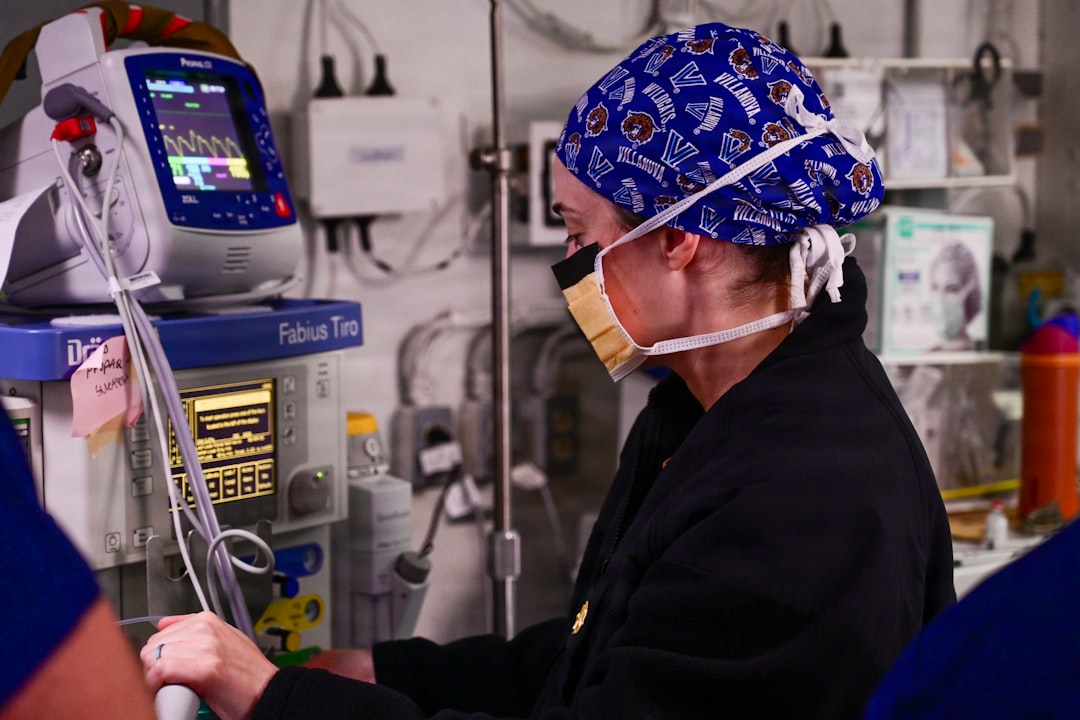
At its core, consumer-grade brain stimulation uses low levels of electrical current or magnetic pulses to influence brainwave activity. For sleep, the most promising techniques target slow-wave sleep, the deep, restorative stage that helps you wake up feeling refreshed. Devices like neurofeedback headbands, transcranial alternating current stimulators, and pulsed electromagnetic field generators are being marketed to help you fall asleep faster, stay asleep longer, and wake up with more energy. But before you can buy one with confidence, the FDA must decide how to regulate these tools.
Currently, most consumer brain stimulation devices are sold as “wellness products,” not medical devices. This means they do not have to go through the rigorous FDA approval process that a prescription sleep aid or a medical device like a CPAP machine must undergo. The distinction matters. A wellness claim might say “may promote relaxation,” while a medical claim would say “treats insomnia.” The FDA has historically taken a hands-off approach to low-risk wellness gadgets, but as these devices become more powerful and more targeted, the agency is starting to pay closer attention.
The FDA path for these devices is not a single road but a spectrum. At one end, devices that pose minimal risk and make only general wellness claims can enter the market without premarket approval. They simply need to register with the FDA and follow basic manufacturing standards. At the other end, devices that claim to diagnose, treat, or prevent a sleep disorder must go through a much longer process. This typically involves clinical trials to prove safety and effectiveness, followed by a premarket notification, known as a 510(k), or even a premarket approval application.
For sleep-focused brain stimulation, the middle ground is where most innovation is happening. Some companies are seeking FDA clearance for specific use cases, like improving sleep quality in people with mild insomnia. Others are launching first as wellness devices, then gathering user data to later pursue medical claims. This dual strategy allows them to build a customer base while generating the evidence needed for FDA approval. It is a slower path, but it builds trust.
What does this mean for you? It means that in the next few years, you will see more brain stimulation devices with clear FDA labels, either as “FDA cleared” for a specific sleep benefit or as “general wellness” tools. The FDA’s role is to ensure that what the device promises is backed by real science. Without that oversight, you risk buying a gadget that does nothing more than light up your nightstand. With it, you could get a genuinely effective tool that helps your brain transition into sleep more naturally.
The future of sleep is not just about better mattresses or cooling sheets, though those help. It is about understanding and influencing the brain’s own sleep machinery. Consumer-grade brain stimulation, guided by a clear FDA path, could become as common as a white noise machine or a weighted blanket. It will not replace good sleep hygiene—consistent bedtimes, limited screen time, a cool dark room—but it could augment it, especially for people who struggle with the transition to sleep.
There are still hurdles. Long-term safety data is limited, and not everyone responds to electrical stimulation the same way. The FDA will need to balance encouraging innovation with protecting consumers from unproven claims. But the direction is clear: the future of sleep is active, not passive. Instead of just hoping for a good night’s rest, you will be able to train your brain to deliver it.
As you browse SleepGoals for the latest insights on optimizing your rest, keep an eye on the neurotechnology section. The devices coming down the pipeline are not replacements for a good routine, but they are powerful allies. And with the right FDA path, they will be both safe and effective. The future of sleep is waking up to the science of your own brain.
Dream Blog
Real sleep talk for real people.

Smart Thermostats: The Hidden Key to Better Sleep