Microfiber Polyester The Sweaty Plastic
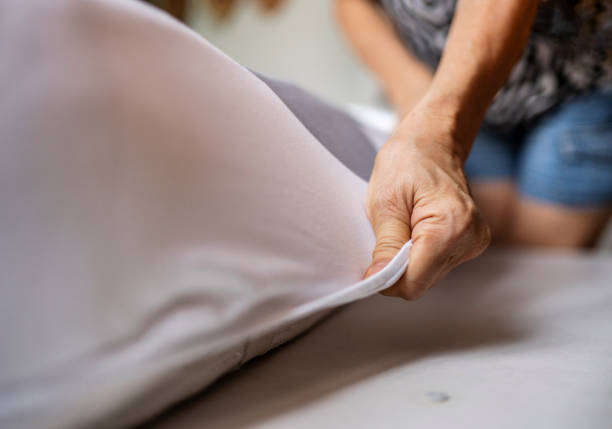
First, a quick reality check: microfiber polyester is plastic. It’s made from synthetic fibers, typically derived from petroleum, that are woven into extremely fine threads. The result is a fabric that feels silky smooth and holds its shape wash after wash. That sounds great on paper, but here’s the problem: plastic doesn’t breathe. Unlike natural fibers like cotton or linen, polyester is hydrophobic—it repels moisture. When you sweat, that moisture has nowhere to go. It gets trapped against your skin, creating a clammy, sticky feeling that can wake you up and ruin your sleep cycle. For hot sleepers, this is a nightmare. Your body naturally drops its core temperature during deep sleep, and if your sheets are holding heat and moisture close, you’re fighting your own biology.
The term “microfiber” itself should tip you off. These microscopic fibers are so tightly packed that air circulation is severely limited. Think of it like wrapping yourself in a thin plastic bag. Yes, the bag is soft, but you’re still going to overheat. Many people buy microfiber sheets because they are cheap—often a fraction of the cost of Egyptian cotton or bamboo. But that price tag comes with a hidden cost: poor sleep quality. If you are a hot sleeper, every dollar you save on sheets might be costing you hours of rest. And since poor sleep is linked to everything from weight gain to heart disease, that “deal” isn’t worth it.
So what should you look for instead? The best cooling sheets for hot sleepers prioritize breathability and moisture wicking. Natural fibers like cotton, especially long-staple varieties such as Egyptian or Pima, allow air to flow freely through the weave. Linen is another top contender. It has a looser structure that promotes airflow and naturally feels cool to the touch. For those who want a synthetic option that actually works, look for performance fabrics designed for cooling, such as Tencel Lyocell. This material is made from wood pulp and has excellent moisture management properties without the sweaty plastic feel. Some brands even offer sheets with phase-change materials that actively absorb and release heat to keep your body at an optimal temperature.
Another key factor is thread count, but don’t get fooled by high numbers alone. A very high thread count in polyester can actually make the fabric denser and less breathable. With natural fibers, a medium thread count around 300 to 500 often provides the best balance of softness and airflow. For hot sleepers, a percale weave is a smart choice. Percale is a simple, one-over-one-under weave that creates a crisp, cool, and lightweight fabric. It’s the opposite of sateen, which has a denser, silkier feel that can trap heat.
Finally, don’t forget about care. Microfiber polyester tends to accumulate oils and bacteria from your skin, which can lead to odors and a faster breakdown of the fabric. Natural fibers are easier to clean and often last longer with proper care. Wash your cooling sheets in cool water and avoid fabric softeners, which can coat the fibers and reduce breathability.
At SleepGoals, our mission is to help you optimize every aspect of your sleep environment. If you are a hot sleeper, ditch the sweaty plastic. Invest in sheets that work with your body, not against it. Your deep sleep, your daytime energy, and your long-term health will thank you. Because when it comes to cooling sheets, natural breathability wins every time over cheap synthetic promises.
Dream Blog
Real sleep talk for real people.

Manta Sound Sleep Mask Modularity
Your Social Battery Needs Recovery Sleep