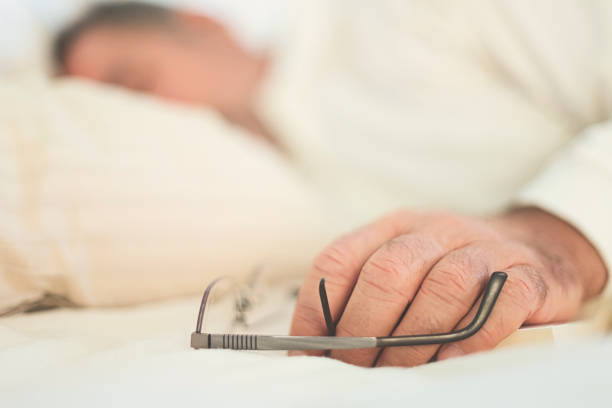
Choosing a Pillow for Neck Stenosis
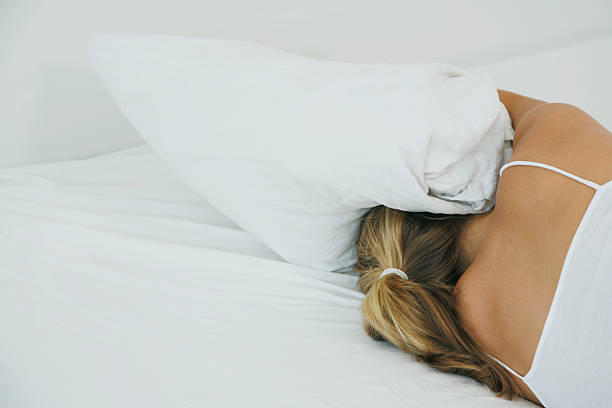
What Is Neck Stenosis and Why Does It Ruin Sleep?
Neck stenosis occurs when the open spaces within the spine of your neck narrow, putting pressure on the spinal cord or nerve roots. This pressure can cause pain, tingling, weakness, or numbness in your neck, shoulders, arms, and hands. For many, symptoms worsen at night. Why? Because your pillow plays a starring role in how your spine aligns while you sleep. If your pillow is too high, too low, too soft, or too firm, it can kink your neck, aggravating the stenosis and making it nearly impossible to find a comfortable position. Think of it this way: your neck wants to stay in a neutral, straight line from your spine to your skull. A bad pillow forces it into an unnatural angle, pinching nerves and waking you up repeatedly. Over time, this leads to fragmented sleep, daytime fatigue, and a cycle of pain that feels endless.
The Common Causes of Poor Sleep with Neck Stenosis
If you have neck stenosis, your sleep quality is likely suffering from several specific problems. First, improper cervical support is a top cause. Many standard pillows push your head too far forward or sideways, which compresses already narrow spinal passages. Second, pressure points on the shoulders or jaw can radiate pain upward, keeping you tossing. Third, pillow material matters: memory foam that is too firm can create resistance, while down feathers that flatten overnight offer no support at all. Fourth, your sleep position may clash with your pillow. For example, back sleepers need a pillow that supports the natural curve of the neck without lifting the head too much. Side sleepers need a thicker pillow to fill the gap between the ear and the shoulder, but not so thick that the neck bends sideways. Fifth, many people unknowingly use the same pillow for years. A worn-out pillow loses its loft and structure, making it unable to cradle your neck properly. Each of these issues is a common cause of poor sleep, and they all trace back to one question: are you using the right pillow for your condition?
How to Choose a Pillow That Really Helps
The good news is that you can take control of your sleep quality by picking a pillow designed for neck stenosis. Start with shape. Look for a contoured or cervical pillow that has a deeper dip in the middle and a raised edge to support the curve of your neck. This shape keeps your head stable and prevents side-to-side rolling that can irritate nerves. Next, consider height. Measure your sleep position. As a rule, back sleepers need a pillow no thicker than four to five inches. Side sleepers may need five to six inches, but this can vary depending on your shoulder width. Test it: if your chin tips toward your chest or your nose points upward, the height is wrong. Also, think about firmness. A medium-firm pillow that resists flattening under your head works best. Memory foam or latex are good choices because they maintain their shape all night. Avoid fluffy down or shredded foam pillows that shift and lose support. Some pillows even have adjustable inserts so you can add or remove filling to fine-tune the height. Finally, check the material for temperature. People with neck pain often sleep warmer because discomfort raises heart rate. Choose a pillow with cooling gel or breathable mesh covers to prevent overheating.
A Simple Test to Get It Right
Before you buy, try this at home. Lie on your back and have a friend look at your spine from the side. Your ear, shoulder, and hip should form a straight line. If your ear is more than an inch above or below your shoulder, the pillow is too high or too low. If you are a side sleeper, the same line should be parallel to the bed. Make adjustments while you shop. Many stores offer trial periods—use them. Sleep on a new pillow for at least a week to let your body adjust. It might feel strange at first, especially if you are used to a flat or overstuffed pillow. Your muscles and nerves need time to relax into proper alignment. If pain increases, return it and try a different height or shape.
The Bigger Picture: Sleep Aids and Daily Habits
Remember that a pillow alone may not fix all your sleep problems. Pair it with other smart sleep aids. A supportive mattress that keeps your spine aligned is critical—too soft a surface will let your hips sink and pull your neck out of place. Gentle neck stretches during the day, under a doctor’s guidance, can reduce muscle tension before bed. Also, sleep on your back or side, never on your stomach, which forces your neck to twist severely. If nighttime numbness persists, talk to a specialist about nerve compression or inflammation management. SleepGoals is here to help you connect the dots between chronic pain and restful sleep. A few changes, starting with your pillow, can turn your bed from a source of suffering into a sanctuary of healing. You deserve to wake up without pain. It starts with the support beneath your head.
Dream Blog
Real sleep talk for real people.


Why Skipping Sleep Is Quietly Killing Your Career Potential

The Freezer Sheet Trick for Summer