3M Medical Tape Versus Hostage Tape
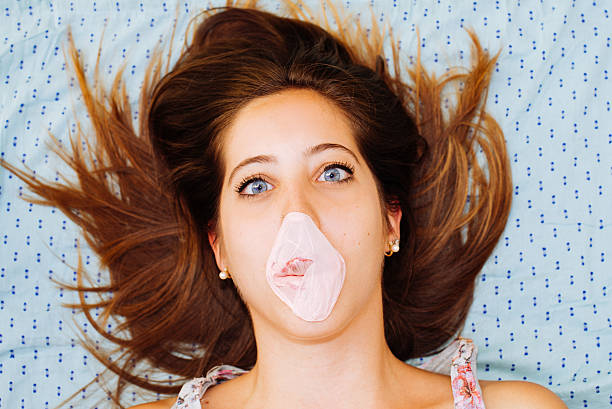
First, let’s understand why mouth taping works. When we sleep with our mouths open, the tongue tends to fall backward, partially blocking the airway. This can trigger snoring, reduce oxygen intake, and increase the risk of sleep apnea. Mouth taping gently encourages nasal breathing, which filters, warms, and humidifies the air you breathe. Nasal breathing also activates the diaphragm, promoting deeper, more restorative sleep. Myofunctional therapy, which strengthens the tongue and facial muscles, often pairs perfectly with mouth taping to retrain the body for optimal breathing. Whether you are new to this approach or a seasoned tape user, choosing the right product matters.
3M Medical Tape has been a trusted name in hospitals for decades. It is a microporous, hypoallergenic tape designed to secure dressings and IV lines to sensitive skin. Many people use it for mouth taping because it is widely available, affordable, and gentle. The adhesive is strong enough to hold the lips closed but not so aggressive that it leaves residue or pulls off skin. Its porous design allows some air and moisture to pass through, which can reduce the risk of skin irritation. For beginners, this is often the go-to choice. You can find it at most drugstores, and a single roll lasts for weeks.
However, 3M Medical Tape was not originally made for sleep. It is a general medical product repurposed for a specific need. Some users find that it does not stick well if you have oily skin, beard stubble, or if you move a lot during the night. Others report that it can loosen over the course of eight hours, especially if you sweat. And because it is narrow—usually one inch wide—you may need to apply two strips to cover the entire mouth, which can be fiddly in the dark.
Enter Hostage Tape. This product was designed specifically for mouth taping, and it shows. Hostage Tape is wider, typically around two inches, which means a single strip covers the lips comfortably from corner to corner. It uses a medical-grade adhesive that is engineered for extended wear, even on oily or bearded skin. The tape is slightly thicker than 3M, which gives it more structure and makes it easier to remove in the morning. Hostage Tape also comes in a roll with a perforated edge, so you can tear off the exact length you need without scissors. Many users praise it for staying put all night, even if you toss and turn, and for leaving no sticky residue.
So which one should you choose for your sleep goals? It depends on your priorities. If you are on a budget or just want to try mouth taping without a big investment, 3M Medical Tape is a perfectly fine starting point. It is gentle, safe, and effective enough for many people. But if you are committed to improving your sleep and want a product that feels purpose-built for the job, Hostage Tape offers better adhesion, easier application, and a more comfortable fit for most face shapes. It is a small upgrade that can make a big difference in consistency.
Before you start taping, a quick word of caution. Mouth taping is not recommended for everyone. If you have severe nasal congestion, deviated septum, or untreated sleep apnea, please consult a doctor or a myofunctional therapist first. The goal is to support breathing, not restrict it. Start with a small piece of tape and see how you feel. You should be able to open your mouth easily if you need to.
In the end, both 3M Medical Tape and Hostage Tape are valuable sleep aids that can help you train your body to breathe through your nose at night. The best choice is the one that stays on, feels comfortable, and helps you wake up refreshed. At SleepGoals, we believe that even small changes like mouth taping can lead to big improvements in your sleep quality, energy, and overall health. Try one, try both, and listen to your body. Your best sleep might be just a strip of tape away.
Dream Blog
Real sleep talk for real people.


The Serotonin Boost From Deep Touch

Histamine Blockers and Daytime Drowsiness