The Vicious Cycle of Sleep Apnea and Weight Gain
Let’s start with how sleep apnea leads to weight gain. When your sleep gets interrupted all night long, your body goes into survival mode. You’re not getting enough deep restorative sleep, and that affects the hormones that control hunger. Ghrelin, the hormone that tells you to eat, goes up. Leptin, the hormone that tells you to stop eating, goes down. So you wake up starving, even if you ate plenty the night before. On top of that, exhaustion makes you reach for quick energy—usually sugary or carb-heavy snacks—because your body is desperately looking for fuel to keep you going. And when you’re tired, you’re far less likely to exercise or even take a walk after dinner. The result? Extra pounds pile on, slowly but surely.
But the weight gain doesn’t just happen from eating more and moving less. Sleep apnea also messes with your metabolism. When your oxygen levels drop during the night, your body releases stress hormones like cortisol. Elevated cortisol over time makes your body hold onto fat, especially around your midsection. That belly fat isn’t just annoying—it’s actually inflammatory and can wreak havoc on your blood sugar, putting you at higher risk for type 2 diabetes and heart disease. So the very condition that ruins your sleep is also quietly rewiring your body to store more fat and use energy less efficiently.
Now, here’s where the cycle tightens its grip. Once you carry extra weight, especially around your neck and abdomen, sleep apnea gets worse. Fat deposits around your upper airway can narrow your throat, making it that much easier for your airway to collapse when you sleep. And fat around your belly puts pressure on your lungs and diaphragm, reducing your lung volume and how well you can breathe while lying down. So the more weight you gain, the more severe your apnea becomes. And the more severe your apnea, the harder it is to lose weight. It’s a loop that can leave you feeling hopeless.
But there is good news. You can break this cycle, and you don’t have to lose a dramatic amount of weight to start seeing benefits. Studies show that losing just 10% of your body weight can significantly reduce the severity of sleep apnea. For someone who is 200 pounds, that’s only 20 pounds. Even less can make a difference. When you drop a little weight, the fat around your neck and throat shrinks, opening up your airway and making breathing during sleep easier. And here’s the beautiful part: as your sleep improves, your hormones start to rebalance. Ghrelin drops, leptin rises, and you naturally feel less hungry and more energized. That makes it easier to eat well and be active, which leads to more weight loss, which further improves your sleep. You turn a vicious cycle into a positive one.
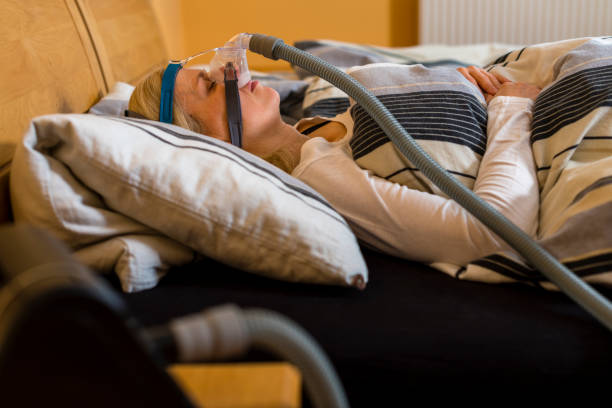
Getting there takes some strategy. If you suspect sleep apnea, talk to your doctor about a sleep study. Continuous positive airway pressure (CPAP) therapy is the gold standard treatment, and it can give you the restful sleep you desperately need. Once you’re sleeping better without gaps in your breathing, you’ll have the energy to tackle healthy changes. Many people find that using a CPAP machine for a few months actually helps them lose weight—not because the machine burns calories, but because they finally feel human enough to move and cook and choose better foods.
Also consider your sleep position. Many people with sleep apnea have worse symptoms when they sleep on their backs. Try side sleeping with a body pillow to keep you positioned correctly. And while it might be tempting to use alcohol or sedatives to fall asleep, these relax your throat muscles even more, making apnea worse. Skip the nightcap.
Finally, be gentle with yourself. Weight loss is hard, and sleep deprivation makes it even harder. Focus on small, sustainable changes: a ten-minute walk after meals, swapping one sugary drink for water, going to bed at the same time every night. Every little victory breaks down the cycle a bit more. You didn’t get into this situation overnight, and you won’t get out of it overnight. But sleep apnea and weight gain don’t have to control your life. Break one thread of the cycle, and the rest will start to loosen.
Dream Blog
Real sleep talk for real people.

Memory Foam vs Latex: Which Mattress Lasts Longer?
Peak Athletic Performance Comes From REM