Why Your Sheets Sweat and the Fabric Solution That Keeps You Cool
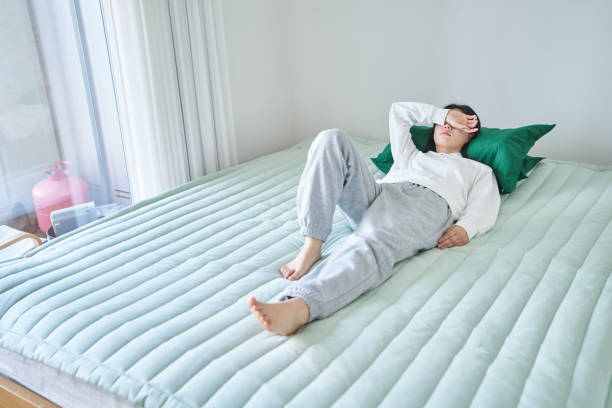
Moisture-wicking works on a simple principle: move sweat away from your skin so it can evaporate quickly. Unlike cotton, which absorbs moisture into its fibers and holds it there, performance textiles are engineered to repel water. Most are made from synthetic fibers like polyester or nylon, which have a hydrophobic (water-fearing) nature. Instead of soaking in, the fibers create tiny channels that pull liquid across the surface of the fabric. This is called capillary action—the same physics that lets water climb up a paper towel. As your body heats up and you begin to perspire, the moisture is drawn into these micro-channels from your skin, then spread out over a larger area of the sheet. With more surface area exposed to the air, the sweat evaporates faster. That evaporation process actively cools you down, like a natural air conditioner against your skin.
But it’s not just about chemistry—it’s about structure. Moisture-wicking sheets often use a knit or waffle weave that lifts the fabric slightly off your body. This creates a gap between you and the sheet, allowing air to circulate freely. The more airflow, the quicker moisture evaporates, and the dryer you stay. Some performance textiles go even further, incorporating phase-change materials (PCMs) that absorb and release heat to maintain a steady temperature. Others add silver or copper ions for antimicrobial properties, keeping the fabric fresher even after a sweaty night. The result is a sleep surface that manages your microclimate, rather than simply lying there and letting things get gross.
You might wonder why you can’t just rely on a breathable cotton percale. Here’s the honest truth: cotton is great for absorbency, but that’s exactly the problem. It holds up to 25% of its weight in moisture before feeling wet. When cotton gets saturated, it loses its breathability and clings to your skin. A moisture-wicking sheet, on the other hand, is designed to feel dry even when it’s actively moving sweat. It doesn’t become heavy or sticky. It also dries out much faster once you throw it in the wash. For anyone who deals with night sweats, perimenopause, or just lives in a humid climate, switching to a performance textile can feel like a revelation.
Now, you might assume all moisture-wicking sheets are crinkly and sporty—like sleeping in a gym shirt. But that’s no longer true. Modern fabric mills have blended synthetics with natural fibers like Tencel or bamboo. These blends offer the best of both worlds: the wicking power of polyester or nylon, plus the soft, breathable hand feel of plant-based fibers. Some brands use microdenier polyester, meaning the threads are extra fine, which creates a silky, smooth texture closer to high-end cotton. Others use clever weaving techniques to mimic the crispness of linen. So you don’t have to sacrifice comfort for function. In fact, many people find that moisture-wicking sheets feel smoother and more pleasant against the skin, especially as the temperature changes overnight.
When shopping for these sheets, look for terms like “fast-drying,” “breathable,” and “temperature-regulating.” Pay attention to the fabric composition—if it says 100% polyester, it will wick well but might feel less luxurious. A blend with at least 40% natural fibers often gives a better balance. And don’t forget about the fitted sheet specifically, since that’s the layer in direct contact with your back. Also consider your sleeping position. Side sleepers tend to sweat more along their torso and hips, so a full moisture-wicking set is worth it.
The bottom line: your bed should be a refuge, not a steam room. Moisture-wicking and performance textiles deliver exactly what they promise—a drier, cooler, more comfortable night’s sleep. If you’ve been waking up clammy or tossing off the covers in frustration, give them a try. Your sleep hygiene will thank you, and you might finally ditch that soggy cotton for good.
Dream Blog
Real sleep talk for real people.

Nitric Oxide Production Through Nose Breathing
How Deep Sleep Builds Muscle and Boosts Athletic Performance