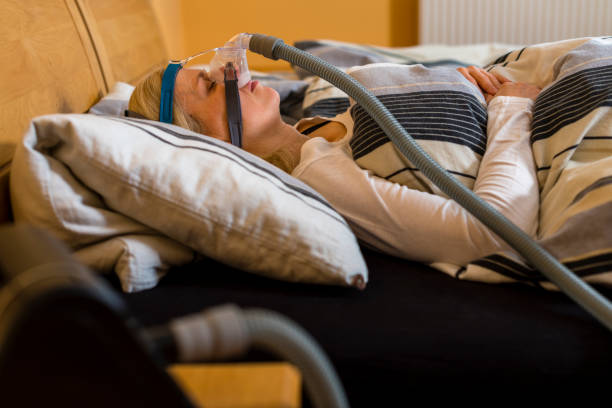
Sleep Position's Effect on Brain Drainage

First, let’s understand how brain drainage works. Throughout the day, your brain cells produce metabolic waste. During non-REM deep sleep, your brain’s glymphatic system kicks into high gear. Cerebrospinal fluid flows along the outside of blood vessels, flushing out waste products and carrying them to your lymphatic system for removal. This is why sleep is so critical for cognitive function, memory consolidation, and even mental clarity the next day. When this system is impaired, waste builds up, and research increasingly links this to neurodegenerative conditions.
Now, here’s where sleep position enters the conversation. A landmark study from Stony Brook University in 2015 used rodent models to compare brain waste clearance in three sleep positions: side, back, and stomach. The results were striking. Side sleeping, or the lateral position, was the most effective at removing waste from the brain. The researchers found that the glymphatic transport system worked significantly better when the animals slept on their sides compared to on their backs or stomachs. While human studies are still emerging, the anatomy of our brain and spinal fluid pathways suggests a similar advantage.
Why does side sleeping help? The leading theory involves gravity and the geometry of your skull. When you lie on your side, the flow of cerebrospinal fluid from your brain to your spine is more efficient. The brain’s waste removal relies on a pressure gradient, and side sleeping may optimize that gradient. Additionally, side sleeping helps keep your airway open, reducing sleep apnea episodes. Sleep apnea is a major disruptor of deep sleep, and when deep sleep is disturbed, your glymphatic system barely gets to work. So side sleeping may offer a double benefit: better waste clearance and better sleep continuity.
What about back sleeping? Sleeping on your back, or supine position, is often recommended for spinal alignment, but it may not be as effective for brain drainage. In the supine position, the flow of cerebrospinal fluid can become less efficient, and there’s a higher risk of airway collapse, especially if you’re prone to snoring or sleep apnea. This can fragment your deep sleep, robbing your brain of the uninterrupted time it needs to flush out waste. If you have acid reflux, back sleeping can worsen symptoms, which also disrupts sleep quality.
Stomach sleeping, while common, is the least supportive for brain drainage and overall sleep quality. Sleeping on your stomach forces your neck into a twisted position, which can compress the jugular veins and impede the flow of blood and cerebrospinal fluid. It also increases pressure on your diaphragm and lungs, making breathing less efficient. This position tends to provoke more micro-arousals during the night, meaning you spend less time in restorative deep sleep. For brain health, stomach sleeping is likely the least desirable.
So what can you do? If you’re a back or stomach sleeper, try transitioning to side sleeping gradually. Use a body pillow to support your knees and keep you from rolling onto your back. A contoured pillow that fills the gap between your ear and shoulder can make side sleeping more comfortable. The goal is not to force a perfect position every night, but to create an environment that encourages side sleeping as your default. Even small improvements in sleep position can support your brain’s cleanup crew.
Beyond position, remember that the foundation of brain drainage is consistent, high-quality sleep. Aim for seven to nine hours per night, keep your bedroom cool and dark, and avoid caffeine and screens before bed. Your brain’s cleanup crew is hard at work while you rest—give it the best possible conditions to do its job. And if you wake up feeling groggy or foggy, take a look at how you slept. Sometimes, the simplest adjustment—turning onto your side—can make all the difference for your brain health today and in the years ahead.
Dream Blog
Real sleep talk for real people.


How Pink Noise Helps You Sleep More Soundly

No Top Sheet Just Duvet