Sleep-Tracking Earbuds: Your Personal Sleep Coach in Your Ears
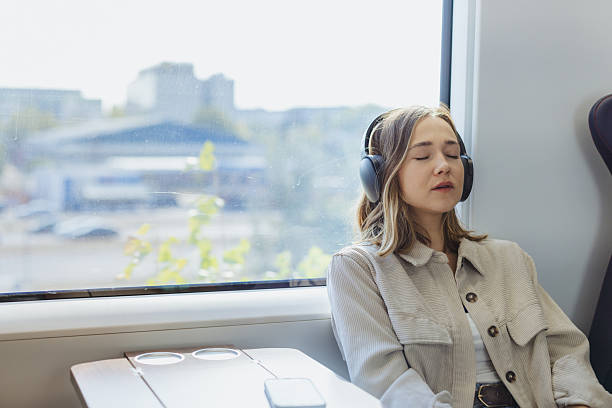
So how do these little gadgets actually work? Most sleep-tracking earbuds are packed with tiny sensors that detect movement, heart rate, and even body temperature. Some also use a microphone to pick up breathing patterns or snoring. Every night, they collect this data and translate it into a clear picture of your sleep architecture. You might see how long you spent in light sleep, deep sleep, and REM sleep, along with how many times you woke up. That information alone can be eye opening. Many people assume they sleep soundly when they are actually waking up five or six times without remembering it. Earbuds catch those hidden interruptions and show you exactly what is happening.
But the real magic is in the audio. Unlike simple earplugs, sleep-tracking earbuds can play calming sounds, white noise, or even binaural beats designed to nudge your brain into a more relaxed state. Some models gently fade out the audio as you drift off, while others use a smart alarm that wakes you during the lightest phase of your sleep cycle. Waking up from light sleep feels far more natural than being yanked out of deep sleep by a blaring alarm. Over time, this can make your mornings easier and your daytime energy more consistent.
If you are considering trying sleep-tracking earbuds, there are a few practical things to keep in mind. Comfort is number one. Since you will wear them for several hours, look for soft, flexible tips that fit your ear shape without feeling tight. Many models come with multiple sizes of ear tips, and some use a wing or fin design that stays put even if you toss and turn. Battery life matters too. The best sleep earbuds offer a full night of play, about eight to ten hours, and charge quickly so they are ready for the next night. Also think about how you want to see your data. Most pair with a smartphone app that provides trend charts, sleep scores, and personalized suggestions. A good app should not overwhelm you with numbers. Instead, it should give you simple, actionable advice like heading to bed fifteen minutes earlier or reducing caffeine after lunch.
One current scientific question about sleep-tracking earbuds is how accurate they truly are. Medical grade sleep studies use many sensors to measure brain waves, eye movement, and muscle tone. Earbuds cannot do all of that. However, they are surprisingly good at detecting gross patterns like whether you are awake or asleep, and they get better with each new generation. For most people, the goal is not perfect clinical accuracy but consistent trend tracking. If your earbuds say you got more deep sleep on nights you exercised, that is useful information. Do not treat the data as gospel, but treat it as a helpful mirror that shows you how your nightly choices affect your rest.
Another nice benefit is the potential to replace unhealthy nighttime habits. Instead of scrolling through your phone in bed, you can pop in your earbuds, start a relaxing soundscape, and let your mind drift. That simple swap reduces blue light exposure and breaks the cycle of doomscrolling. Many users report that just the act of putting in earbuds becomes a bedtime cue, signaling to your brain that it is time to wind down. Over weeks, that ritual can strengthen your body’s internal clock and improve your sleep quality surprisingly fast.
If you share a bed with a partner, sleep-tracking earbuds are also a quiet win. They do not disturb your partner with an alarm or a bright display. Some models even include a transparent mode that lets you hear a baby crying or a phone alert while still playing soothing audio. That flexibility makes them a great choice for parents or anyone who needs to stay responsive through the night.
The future looks bright for this tiny wearable. Researchers are exploring ways for earbuds to detect early signs of sleep apnea or other breathing issues, which could save lives. In the meantime, you can already use them to build a healthier sleep routine. Start by wearing them for a few nights to get a baseline. Then experiment with different sounds or alarm settings. Pay attention to your morning energy and mood, not just the numbers.
Sleep is not a luxury. It is the foundation of your physical health, mental clarity, and emotional resilience. Sleep-tracking earbuds put that foundation back in your control. They are simple, non-invasive, and surprisingly effective. Whether you are a chronic insomniac or just someone who wants to sharpen your focus, these small devices offer a big return on investment. Pop them in, let the sound wash over you, and get ready to wake up feeling like the best version of yourself.
Dream Blog
Real sleep talk for real people.


The Screen-Free Hour: Resetting Your Brain for Sleep
Pocketed Coils Versus Continuous Coils