The Screen-Free Hour: Resetting Your Brain for Sleep

Here is what happens when you scroll through social media or binge a show right before bed. The blue light from your phone, tablet, or television suppresses melatonin, the hormone that tells your brain it is time to feel sleepy. That alone can delay your sleep onset by a significant margin. But the problem goes deeper than just wavelengths. The content itself is often stimulating. A heated political thread, a work email that sparks anxiety, or a cliffhanger at the end of a gripping episode all keep your brain in a state of alertness. Instead of winding down, you are revving the engine. You might eventually fall asleep, but your sleep quality suffers, and you wake up feeling groggy and restless.
The good news is that you do not need an elaborate, Pinterest-worthy evening routine to fix this. What you need is a simple, intentional transition from the busyness of the day to the calm of the night. Think of it as an off-ramp for your mind. You would not go from a full sprint straight into bed without catching your breath, so why do the same to your brain? The screen-free hour is that catch-your-breath time. And the best part is that you can fill it with whatever genuinely relaxes you.
Maybe that means picking up a paperback book. Reading physical paper—or an e-ink reader without a backlight—has been shown to reduce stress levels significantly. It draws your attention away from the noise of the day and into a story or an idea. You do not need to read a dense philosophy tome, either. A light novel, a collection of essays, or even a magazine can work. The key is to focus on the act of reading without any notifications pinging in your ear.
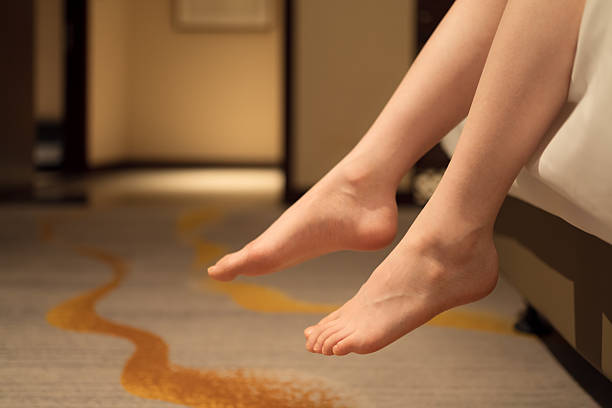
If reading is not your thing, try some gentle stretching or a few minutes of mindful breathing. You do not need to be a yoga master. Just sitting on the edge of your bed and taking slow, deep breaths for five minutes can signal to your nervous system that it is safe to relax. Or do something with your hands, like knitting, journaling, or assembling a jigsaw puzzle. These repetitive, low-stakes activities are surprisingly effective at quieting the mind. They give your brain something soothing to focus on, rather than letting it replay that awkward conversation from morning.
Another underrated option is a warm shower or bath. The drop in body temperature after a warm soak naturally makes you feel drowsy. Pair that with some unscented lotion applied in slow, methodical strokes, and you have created a full sensory ritual that says, “We are done for the day.”
The hardest part of this routine is not the activities themselves—it is actually putting the screen down. So start small. Pick a single night this week and declare the hour before bed as a no-phone zone. Charge your phone in the kitchen or another room. Use an old-fashioned alarm clock if you need one. Tell your family or your group chat that you are taking a break for the evening. You might feel fidgety for the first few days. Your brain will crave the quick hits of dopamine that come with checking Instagram or playing a puzzle game. But push through. After about three or four nights, you will likely notice that you are falling asleep faster, waking up less often, and feeling more refreshed in the morning.
Mastering the wind-down routine is not about being perfect. It is about giving yourself a fighting chance at the sleep you deserve. So tonight, put the phone down, pick up something comforting, and let your brain do what it does best when you get out of its way. You will thank yourself in the morning.
Dream Blog
Real sleep talk for real people.

Why Your Sleep Score Fluctuates Daily
The Polyfoam Density 1.8 Pound Rule