Scandinavian Two-Duvet Method Explained
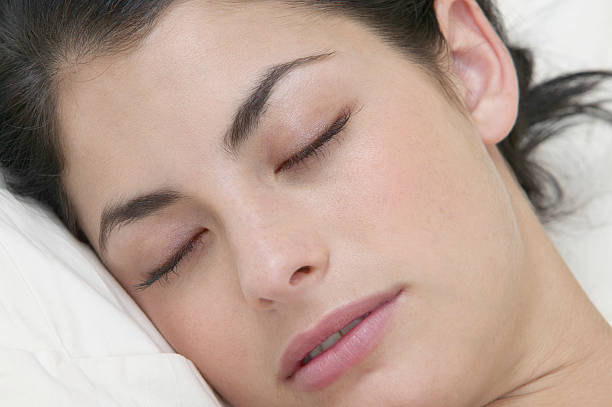
At its core, the two-duvet method is straightforward. Instead of one large blanket that two people pull and twist throughout the night, each person gets their own duvet. This allows each sleeper to choose their preferred thickness, material, and warmth level. One partner can use a lightweight, breathable duvet with cooling sheets, while the other snuggles under a heavier, insulating option. No more middle-of-the-night tugging, no more frozen feet or sweaty shoulders. The method eliminates the friction that often erodes sleep quality and relationship harmony.
But for American couples, the real game-changer lies in the sheets. Cooling sheets—typically made from materials like Tencel lyocell, bamboo rayon, or high-quality percale cotton—work perfectly with the two-duvet system. Because each duvet is already separate, the sheets can be tailored to individual preferences without compromising the other partner’s comfort. One side of the bed can feature crisp, moisture-wicking cooling sheets, while the other uses flannel or sateen. This customization is impossible with a single top sheet and shared blanket.
Why does temperature matter so much? The science of sleep tells us that your body’s core temperature naturally drops as you drift into deep sleep. If you become too warm, your body struggles to maintain this cooling process, leading to restless tossing, night sweats, and fragmented sleep. Hot sleepers often wake feeling groggy and irritable, while cold sleepers may struggle to fall asleep altogether. The two-duvet method with cooling sheets addresses this directly: each person creates their own microclimate.
Consider the practical benefits. With a single duvet, couples often end up with one person hogging the covers or exposing the other to drafts. The two-duvet method eliminates this entirely. You can roll over, stretch out, and adjust your coverings without disturbing your partner. For those who sleep with a fan or air conditioning, the cooling sheets work synergistically with the separate duvets to wick away heat and keep the bed surface comfortable. And because cooling sheets are designed to breathe, they prevent the clammy, sticky feeling that can wake you at 3 a.m.
Another often-overlooked advantage is hygiene. Two duvets mean less shared fabric, which can reduce the transfer of dust, sweat, and allergens between partners. If one of you suffers from allergies or sensitive skin, using separate covers with hypoallergenic cooling sheets can significantly improve sleep quality. Plus, laundering two smaller duvets is easier than wrestling a king-sized comforter into a washing machine.
Adopting the Scandinavian two-duvet method does require a small shift in mindset for couples used to sharing a single top sheet and blanket. You’ll need two duvets—typically twin or full size—and two fitted sheets if your bed is larger. A king-sized bed becomes two double or queen-sized sleeping zones, each with its own fitted sheet, top sheet (if you use one), and duvet. Many couples also use a single flat sheet as a base layer across the entire mattress for a polished look, then place the separate duvets on top.
The investment is modest, but the return is substantial: better sleep, less midnight conflict, and a cooler, more restful environment. Cooling sheets, in particular, act as the foundation of this system. They keep the surface temperature low, reduce sweating, and prevent the uncomfortable heat buildup that plagues many sleepers. When you pair moisture-wicking cooling sheets with a lightweight, breathable duvet, you essentially create a personalized climate zone for each side of the bed.
If you’ve been struggling with sleep disruptions caused by temperature differences, the Scandinavian two-duvet method is worth trying. Start by selecting cooling sheets that match your individual preferences. One partner might prefer the silky feel of bamboo, while the other opts for the crisp, classic texture of percale. Then add separate duvets—one light and one medium—and see how it feels. The first few nights may require some adjustment, but most couples report improved sleep and fewer arguments within a week.
In a world where optimizing sleep is increasingly recognized as essential for health, happiness, and productivity, small changes can have outsized effects. The two-duvet method, supported by high-quality cooling sheets, offers a practical, science-backed way to honor both partners’ needs. After all, the goal isn’t just to share a bed—it’s to wake up rested, refreshed, and ready to face the day together.
Dream Blog
Real sleep talk for real people.


Your Social Battery Needs Recovery Sleep
Adenosine and the Sleep-Wake Switch: Why Your Brain Knows When to Rest