Your Social Battery Needs Recovery Sleep

Sleep is not just a passive state of rest. It is an active biological process that directly influences how you interact with the people you care about. When you cut sleep short, your brain’s emotional centers go into overdrive while your prefrontal cortex, the part responsible for impulse control and empathy, powers down. This is why a sleep-deprived person is more likely to snap at a partner, misinterpret a coworker’s tone, or withdraw from a friend’s invitation. Your social battery does not just feel low. It is literally misfiring.
For adults in the United States, where hustle culture often glorifies early mornings and late nights, this connection between sleep and social health is frequently overlooked. We treat exhaustion as a badge of honor, not realizing that it is quietly eroding our relationships. When you are well-rested, your emotional resilience improves. You can listen more patiently. You can respond rather than react. You can show up for others in a way that is genuinely present, not just physically in the room. Recovery sleep restores your ability to read social cues, manage conflict calmly, and experience joy in shared moments. In other words, it repairs the very foundation of your social connections.
Beyond emotional regulation, sleep also affects your social energy. Consider how much effort it takes to maintain eye contact, to laugh at a friend’s joke, or to offer support to a family member in need. These small actions require mental and physical energy that only deep, uninterrupted sleep can replenish. When you sleep, your brain clears out metabolic waste, strengthens neural pathways, and consolidates memories. This means you wake up with better recall of your loved ones’ lives, more creativity for planning social activities, and greater physical vitality to engage in them. Your social battery does not just feel fuller. It has more actual capacity.
The irony is that many people sacrifice sleep to gain more social time. They stay up late scrolling through social media, watching shows, or finishing work so they can free up weekends for friends. But this trade-off backfires. A tired person is less enjoyable to be around, less available for genuine connection, and more likely to cancel plans or leave early. Recovery sleep allows you to actually enjoy the social time you do have. It transforms socializing from an obligation you endure into an experience you savor.
If you want to recharge your social battery intentionally, start by prioritizing sleep as a non-negotiable part of your relationship health. Create a wind-down routine that signals to your brain that the social demands of the day are over. Dim the lights an hour before bed, put away your phone, and do something calming like reading or light stretching. Aim for seven to nine hours of sleep each night, and be consistent with your bedtime and wake time even on weekends. This consistency is what allows your body to enter the deep, restorative stages of sleep that most effectively repair your emotional and social reserves.
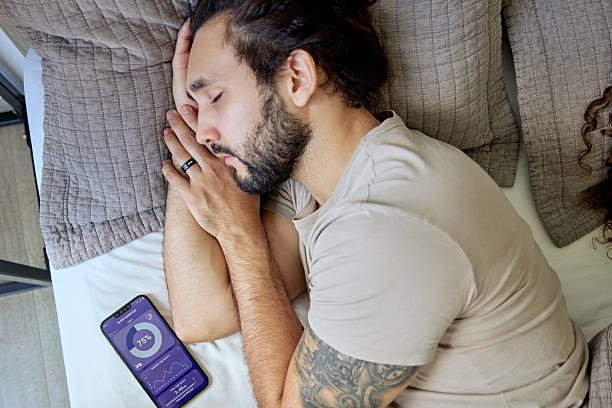
It is also worth examining your sleep environment. A cool, dark, and quiet room with a supportive mattress and pillow can make the difference between restless tossing and true recovery. If you find yourself waking frequently or feeling unrefreshed in the morning, consider tracking your sleep with a wearable device or a simple sleep diary. Pay attention to how you feel socially on days after good sleep compared to days after poor sleep. The difference is often dramatic and motivating.
The bottom line is that your relationships deserve the same care and intention that you give to your diet, exercise, and career. And at the heart of that care is sleep. When you treat sleep as a tool for social recovery, you stop seeing it as time lost from your day and start seeing it as an investment in every interaction you will have tomorrow. Your social battery is not something you can outrun or force to last longer. It needs to be recharged. And the most effective, natural, and proven way to do that is with deep, consistent recovery sleep.
So tonight, when you lie down, remember that you are not just resting your body. You are restoring your ability to connect, to care, and to be the person others love to be around. Sleep well. Your relationships will thank you.
Dream Blog
Real sleep talk for real people.

How Bedside Sleep Monitors Help You Rest Better