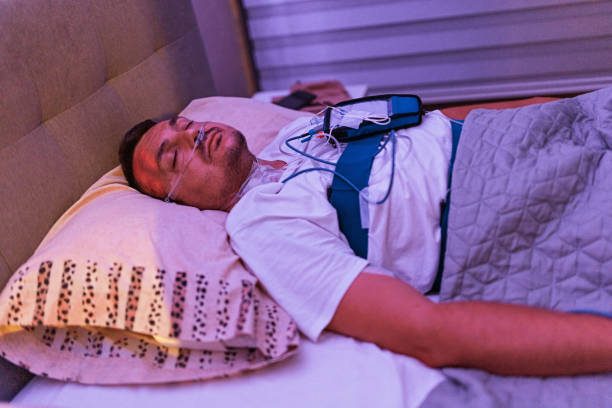
How Bedside Sleep Monitors Help You Rest Better
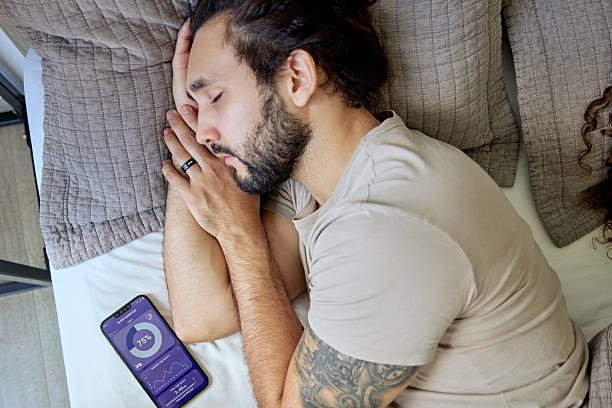
So how do these devices actually work? Most use a combination of sensors that detect movement, breathing patterns, and even your heart rate. Some rely on radar technology that bounces invisible radio waves off your body as you sleep. Others use pressure-sensitive mats that sense the subtle shifts in your weight as you breathe and turn over. A few use sound sensors to pick up snoring or coughing. Because they do not touch your body directly, they are completely non-intrusive. You simply place them as directed, plug them in if needed, and go about your normal bedtime routine. By the time morning rolls around, the monitor has already collected a full night of data, ready for your phone or computer to translate into something you can actually understand.
The biggest advantage of a bedside monitor is comfort. There is no strap to adjust, no battery to worry about, and no skin irritation from wearing something all night. For people who toss and turn, or who simply dislike the feeling of a device on their wrist, this is a game changer. It also means you do not have to remember to put it on every night. The monitor is always there, waiting patiently on your nightstand, so the only effort required is making sure it is plugged in and positioned correctly. That ease of use often leads to more consistent tracking, which gives you a clearer picture of your sleep over time.
But what exactly does a non-wearable bedside monitor tell you? Most models provide a breakdown of your sleep stages, including light sleep, deep sleep, and REM sleep. They also track things like how long it takes you to fall asleep, how often you wake up during the night, and how restless you are. Some monitors listen for snoring and can even give you a score that reflects the overall quality of your night. That data is then presented in a simple, friendly app that shows trends and patterns. If you notice that you sleep poorly on nights when you have eaten late or that your deep sleep increases after a workout, the monitor helps you connect those dots.
Of course, these devices are not perfect. They are not medical grade, so they should not be used to diagnose conditions like sleep apnea. If you suspect you have a serious sleep issue, you should talk to your doctor and consider a formal sleep study. But for the vast majority of people who just want to improve their nightly rest, a bedside monitor offers plenty of useful insight. The key is to use that insight wisely. Instead of obsessing over a single night’s score, look at the bigger picture over a week or two. That will tell you much more about your habits and what might be affecting your sleep.
One of the best ways to use a bedside monitor is to treat it like a friendly coach rather than a strict judge. You are not trying to get a perfect score every night. You are simply gathering information that helps you make better choices. For example, you might realize that your sleep quality dips on nights when you have caffeine after 2 PM. Or that going to bed at a consistent time, even on weekends, makes a noticeable difference in how rested you feel. Small adjustments like these, guided by the data your monitor collects, can lead to real improvements in your energy, mood, and overall health.
Another benefit of non-wearable bedside monitors is that they let you track sleep without inviting extra stress into your bedroom. Because you do not have to interact with the device, it fades into the background. You can still read before bed, listen to relaxing music, or practice meditation without worrying about a screen glowing on your wrist. The monitor remains quietly in the corner, doing its job. That helps preserve the calm, soothing environment that is so important for falling asleep in the first place.
If you are thinking about trying one of these monitors, keep a few practical tips in mind. First, read the placement instructions carefully. Some devices need to be within a certain distance of your bed, while others work best when tucked under your mattress. Getting the position right ensures accurate readings. Second, give it a few nights to calibrate. The first night or two may produce odd results as the device learns your patterns. Finally, remember that the point is not to turn sleep into a chore. Use the monitor as a tool to better understand your body, then let that knowledge guide you toward healthier habits.
In the end, non-wearable bedside monitors offer a comfortable, convenient way to keep an eye on your sleep. They give you valuable insights without adding friction to your bedtime routine. Whether you are a light sleeper, a snorer, or just someone who wants to wake up feeling more refreshed, these devices can show you what is happening when you are not consciously paying attention. A good night’s sleep is one of the best gifts you can give yourself, and a bedside monitor simply makes it easier to know what helps you get there.
Dream Blog
Real sleep talk for real people.

Stretching Routines That Calm RLS

Climate-Controlled Cocoon Beds: The End of the Midnight Blanket War