Pink Noise: The Gentle Sound That Could Improve Your Deep Sleep
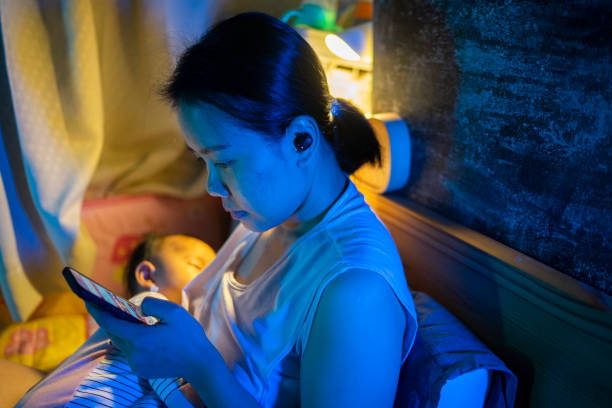
The science behind pink noise is growing. A notable study from Northwestern University found that older adults who listened to pink noise while they slept experienced deeper slow-wave sleep and performed better on memory tests the next day. The researchers timed the sound to match the rhythm of the participant’s brainwaves, but even without precise timing, pink noise helps your brain settle into a stable, restorative sleep pattern. Auditory masking works by filling in the quiet gaps in your environment. Your brain stays alert for sudden changes in sound, like a door slamming or a car engine outside. Pink noise reduces the contrast between normal background sounds and disruptive noises, so your brain worries less and allows you to sleep through the night.
You might wonder if pink noise is safe or if it will bother you. Most people find it very pleasant. You can play it from a phone app, a sleep sound website, or a dedicated machine. The key is volume. Aim for a low, soothing level, not louder than a soft conversation. Start with a thirty minute timer to see how you feel. If you enjoy it, you can leave it on all night. For some, a fan or air purifier already provides a similar effect, though pink noise is more consistent and specifically designed to promote relaxation.
Adding pink noise to your nightly routine is easy. Choose a high quality source. Many free apps offer pink noise loops, but be sure to pick one that runs seamlessly without gaps or interruptions. Place your device a few feet from your bed. If you use headphones, choose open style ones, but a small speaker or smart speaker is usually best. Pair pink noise with your existing sleep hygiene habits like keeping a consistent schedule, avoiding screens before bed, and keeping your bedroom cool.
The benefits go beyond just falling asleep faster. Deep sleep is when your body repairs muscles, consolidates memories, and releases growth hormone. Pink noise helps extend the time you spend in that crucial stage. People who use pink noise often report waking up feeling more rested and refreshed. It can be especially helpful for those who live in noisy neighborhoods, have a partner who snores, or work shifts and need to sleep during the day. Because pink noise is non-invasive and has no known side effects, it’s worth a try for anyone looking to optimize their sleep.
Of course, pink noise isn’t a magic bullet. It works best as part of a comprehensive approach to better sleep. If you have chronic insomnia or suspected sleep apnea, see your doctor. But for the average person who simply wants to improve sleep quality, pink noise offers a low cost, low effort enhancement. Unlike sleep supplements or medication, pink noise has no grogginess, no dependency, and no downsides. It’s just sound, and sound can be remarkably powerful.
A good soundscape does more than mask noise. It signals to your brain that it’s safe to let go. Over time, you can condition yourself to associate pink noise with sleep. Play it at the same time every evening, and soon your brain will begin to unwind the moment it hears that familiar hum. You can also blend pink noise with other nature sounds, like ocean waves or birdsong, to create a personalized auditory environment. The goal is to make your sleep environment as calm and predictable as possible.
Remember, sleep is not a luxury. It’s a biological necessity. By making small adjustments like adding pink noise to your bedroom, you are taking an active step toward better health, better mood, and better daily performance. Give it a week. Keep the volume low. Notice how you feel in the morning. Many people are surprised by how much a simple soundscape can change their nights. Pink noise won’t replace good sleep habits, but it can be the missing piece that helps you finally get the deep, restorative rest you deserve.
Dream Blog
Real sleep talk for real people.

Your Bed Frame Might Be Causing Your Mattress to Sag

Latex Naturally Resists Mold Mildew