Privacy of Cloud-Based Snore Storage
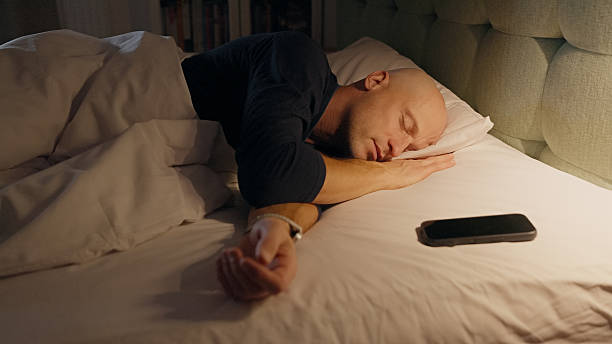
First, let’s talk about why you’d want to record your sleep at all. Monitoring sleep with audio helps you identify patterns. Maybe your snoring spikes after a glass of wine. Maybe it’s worse when you sleep on your back. Maybe you stop breathing for ten seconds at a time—a hallmark of sleep apnea that your doctor needs to know. A simple overnight recording can turn vague complaints into actionable data. And cloud storage makes that data accessible from your phone, your laptop, or even your doctor’s portal. It’s convenient. But convenience often trades on trust.
The privacy risk comes down to where your snore files live and who can access them. When you use a free snore-tracking app, the company hosting that cloud server may not be transparent about their data policies. Some apps claim to anonymize recordings, but audio is notoriously hard to truly de-identify. Your voice has a unique signature, and a recording of your bedroom environment may capture far more than snores—think conversations, TV sounds, or even the faint sounds of children or pets. If that data gets leaked, sold, or hacked, it’s not just embarrassing; it’s invasive.
So how do you monitor sleep without losing your privacy? Start by choosing a sleep recorder that processes audio locally, on your device, rather than sending raw files to the cloud. Some advanced wearables and bedside devices do exactly that. They analyze sound patterns on the spot and only upload anonymized metadata—like “loud snore at 2:14 AM for eight seconds”—instead of the actual sound wave. That way, nobody ever hears your actual snore. If your device or app insists on cloud syncing, make sure it uses end-to-end encryption. That means even the company that runs the server cannot listen to your recordings unless you share the key.
Another smart step is to read the privacy policy, as boring as that sounds. Look for phrases like “we do not sell your data,” “recordings are stored encrypted,” and “you can delete your data at any time.” If the policy is vague or says they can share data with “third parties for analytics,” consider that a red flag. Some popular snore-tracking apps have been caught using your audio to train their algorithms or even to serve targeted ads (imagine getting a CPAP machine ad after the app hears you gasping). That’s not helpful for sleep.
You also have control after the fact. Most reputable sleep monitoring platforms let you review and delete recordings manually. Make it a habit: listen to the previous night’s audio, note any concerning patterns, then delete the file. If you only keep what you need, you reduce your exposure. And if you’re worried about a spouse or roommate accidentally stumbling on your snore library, set up a separate password or biometric lock on the app itself.
Finally, consider what you actually need. For many people, a simple overnight recording once a month is enough to check in on sleep quality. You don’t need a constant feed of every breath. A smart device that monitors sleep stages, heart rate, and movement might tell you more about sleep health than raw snore audio ever could—and with far less privacy risk. The future of sleep monitoring is moving toward sensors that don’t rely on your voice at all, like under-mattress pads or radar-based trackers that measure breathing without recording a single sound.
At SleepGoals, we believe better sleep starts with honest data, but honest data shouldn’t come at the cost of your privacy. Whether you use a cloud-connected recorder or a local-only device, take a few minutes to understand what leaves your bedroom and where it goes. Your snore is personal. Keep it that way.
Dream Blog
Real sleep talk for real people.


How Phase Change Materials Keep Your Pillow Cool All Night

The Surprising Truth About Your Smartwatch’s Sleep Tracking Accuracy