Blood Oxygen Drops Under 90 Percent
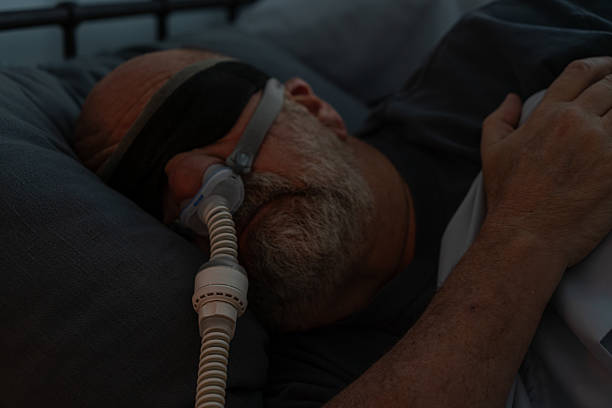
Blood oxygen during sleep is one of the most telling measurements your wearable can provide. While you sleep, your breathing naturally slows, and your body’s demand for oxygen decreases. For most people, oxygen levels remain comfortably above 90 percent. When they fall below that threshold, it often signals a disruption in your breathing pattern. The most common culprit is obstructive sleep apnea, a condition where your airway partially or fully collapses during sleep, causing brief pauses in breathing. Each time that happens, your oxygen level drops, your brain wakes you just enough to resume breathing, and your sleep cycle is fractured. You might not remember these episodes, but your wearable logs the dips.
Another reason your blood oxygen might drop under 90 percent is related to your sleep position. Sleeping on your back can cause your tongue and soft tissues to fall backward, narrowing your airway. This is especially true if you are overweight or have a naturally narrow airway. Even if you do not have full-blown sleep apnea, positional issues can cause subtle oxygen desaturation. That is why many sleep specialists recommend side sleeping as a simple first step.
Your sleep environment also plays a role. High altitude, for example, naturally lowers oxygen availability. If you recently traveled to a place above 5,000 feet, or if you live in a high-altitude region, readings below 90 percent may be more common and not necessarily a sign of a disorder. Similarly, if you have chronic respiratory conditions like asthma or COPD, or if you smoke, your baseline oxygen levels may be lower, and dips during sleep can be more pronounced.
The good news is that monitoring your blood oxygen gives you actionable clues. If you see recurring drops below 90 percent, it is worth talking to your doctor about a sleep study. But you can also take steps tonight to improve your numbers. Try elevating your head with an extra pillow or a wedge to keep your airway more open. Adjust your sleep position by placing a body pillow behind your back to prevent rolling onto your spine. Reduce alcohol consumption before bed, because alcohol relaxes the muscles in your throat and can worsen oxygen drops. And if you are using a CPAP machine or other sleep aid, check that your mask fits properly and your settings are correct.
Think of your blood oxygen score as a conversation starter, not a verdict. At SleepGoals, we know that interpreting your sleep scores is the bridge between raw data and real improvement. A drop under 90 percent is not a failure. It is feedback. It tells you where your body is struggling and gives you a chance to respond. By pairing that data with small changes in your bedtime routine, sleep position, and environment, you can gradually lift your nightly oxygen levels and wake up feeling more refreshed.
Remember that no single metric defines your sleep health. Look at your blood oxygen trend over time, not just one night. If you notice consistent lows, take action. But if you see occasional dips that bounce back quickly, your body is likely handling the disruption fine. The key is to stay curious, not anxious. With the right tools and a little patience, you can turn that blinking red number into a steady green signal for better rest.
Dream Blog
Real sleep talk for real people.


How AI Sleep Coaches Customize Your Nights for Better Rest

Blue Light's Specific Wavelength Damage