Morning Headaches as a Red Flag
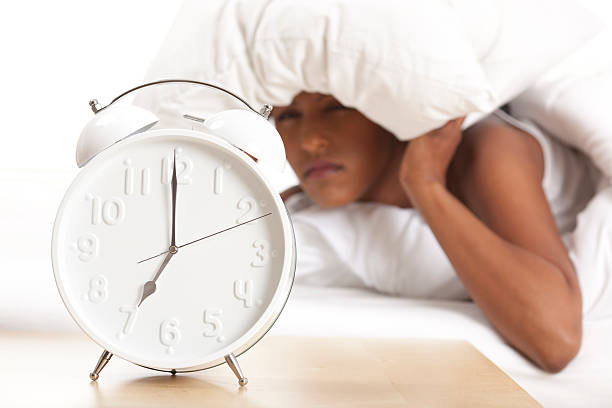
Let’s be clear: not every morning headache means you have a sleep disorder. But when that headache is frequent and shows up along with other symptoms like loud snoring, daytime fatigue, or waking up gasping for air, it’s time to pay attention. The connection between poor sleep and morning headaches is real, and understanding it could change how you rest for the rest of your life.
The Oxygen Connection
Your brain is an energy hog. It uses about twenty percent of your body’s oxygen supply, and it is extremely sensitive to drops in oxygen levels. When you have sleep apnea—a condition where your airway repeatedly collapses during sleep—your breathing stops for ten seconds, thirty seconds, sometimes longer. Each time that happens, your blood oxygen level dips. Your brain notices, and it reacts by dilating blood vessels to try to get more oxygen flowing. This sudden dilation, combined with the stress hormones your body releases to wake you up enough to breathe, can trigger a headache. That headache is your brain’s way of saying, “I didn’t get enough air last night.”
Doctors call these “hypoxic headaches,” and they are a classic sign of obstructive sleep apnea. In fact, studies show that people with sleep apnea are two to three times more likely to report morning headaches compared to people who breathe normally during sleep. The pain is typically dull, pressing, and felt on both sides of the head, often lasting for a few hours after waking. If this sounds familiar, it’s worth taking seriously.
Other Breathing Culprits
Sleep apnea is the big one, but it is not the only breathing issue that can lead to morning headaches. If you suffer from nasal congestion due to allergies, a deviated septum, or chronic sinusitis, you may also experience reduced airflow at night. When your nose is blocked, you’re more likely to mouth-breathe, which dries out your throat and can cause snoring and shallow breathing. This doesn’t necessarily mean you have full-blown sleep apnea, but it can still create enough oxygen fluctuation to trigger a headache. Mouth breathing also tends to make your jaw clench or shift during sleep, which can lead to tension headaches and even temporomandibular joint pain by morning.
The Low-Grade Headache That Hides Bigger Problems
Another breathing-related cause is what sleep specialists call upper airway resistance syndrome. This is a milder version of sleep apnea where your airway narrows but doesn’t fully close. You may not stop breathing entirely, but you have to work harder to pull air in. That extra effort can cause micro-arousals—brief awakenings you don’t even remember. These awakenings disrupt the deep stages of sleep where your body restores itself. Over time, this fragmented sleep leads to morning headaches that feel less like a migraine and more like a low-grade pressure that never quite goes away. Many people mistake this for a caffeine withdrawal headache or a side effect of sleeping in a bad position, but the real issue is that their airway is partially blocked all night long.
What to Do If This Sounds Like You
If morning headaches are a regular part of your routine, start by talking to your primary care doctor. They can refer you for a sleep study, which is the gold standard for diagnosing sleep apnea and other breathing disorders. Many people worry that a sleep study means spending a night in a lab, but home sleep tests are now widely available and can be done in the comfort of your own bed. The test measures your oxygen levels, heart rate, and breathing patterns throughout the night. It is painless and can provide answers in a single night.
In the meantime, consider your sleep environment. If you sleep on your back, your tongue and soft palate are more likely to collapse backward and block your airway. Sleeping on your side can reduce that risk. A humidifier in your bedroom can help if nasal congestion is a factor. And if you notice that your headache is worse after drinking alcohol or taking muscle relaxants before bed, cut those out for a few nights to see if it makes a difference. Alcohol relaxes your airway muscles, making apnea worse.
The Bottom Line
A morning headache is not just a nuisance. It is a clue. Your body is trying to get your attention. For millions of American adults, the root cause is a breathing problem that interrupts sleep dozens or even hundreds of times per night. The good news is that sleep apnea and related breathing issues are highly treatable. With CPAP therapy, oral appliances, positional therapy, or even simple lifestyle changes, you can stop those headaches at their source. But you have to recognize the red flag first. So next time you wake up with that familiar throb, don’t just reach for the ibuprofen. Ask yourself what your sleep is really telling you. Your brain—and your whole body—will thank you.
Dream Blog
Real sleep talk for real people.


How Tiredness Mimics ADHD Symptoms
The Silent Epidemic of Obstructive Apnea