How the Lightbulb Ruined Everything
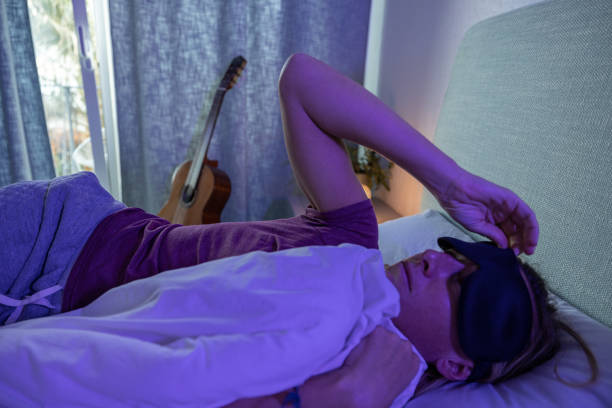
Our ancestors lived by a simple rule: light meant wakefulness, darkness meant rest. For most of human history, the only sources of light after sunset were firelight, candlelight, or the moon. These are warm, dim, and rich in the red and amber end of the spectrum. Your brain’s pineal gland responded by releasing melatonin, the hormone that tells your body it’s time to wind down. Sleep came naturally, often in two distinct segments called “first sleep” and “second sleep,” with a period of quiet wakefulness in between. This biphasic pattern was so common in pre-industrial Europe that historical records mention “first sleep” in legal documents and literature.
Then the incandescent bulb arrived, followed by fluorescent tubes, and eventually the LED screens in your pocket, your laptop, and your television. The problem isn’t just that these lights are bright—it’s that they are filled with blue wavelengths. Blue light mimics the noon sun. When it hits your eyes, even at 10 p.m., your brain thinks it’s still daytime. It slams the brakes on melatonin production, keeping you alert when you should be drowsy. Over time, this constant signal of “daylight” shifts your entire sleep schedule later and later, a phenomenon scientists call “social jet lag.” You might fall asleep at midnight, but your ancient biology expects it at 9:30. That discrepancy is why you wake up groggy even after eight hours in bed.
The consequences go beyond feeling tired. Poor sleep—defined as not getting the seven to nine hours most adults need, or struggling to stay asleep—is linked to weight gain, weakened immunity, high blood pressure, and even an increased risk of dementia. Your body uses sleep to clear out toxic proteins from your brain, repair muscles, and consolidate memories. When the lightbulb disrupts that process night after night, it’s like leaving your car running in the garage all winter. Eventually, the engine starts to fail.
But here’s the good news: you can outsmart the bulb without living in a cave. Reclaiming ancestral sleeping patterns doesn’t mean ditching electricity entirely. It means mimicking the natural light cycle your brain expects. Start by dimming your indoor lights two hours before bed. Replace bright overhead bulbs with warm-toned lamps that have a color temperature below 3000K, which emit less blue light. If you must use screens, wear blue-blocking glasses or enable “night mode” on your devices, which shifts the screen to an amber glow. Better yet, swap your evening scrolling for a book under a low-wattage bulb.
Your environment matters too. The same ancestors who slept in two segments often woke up during the darkest part of the night for quiet reflection, conversation, or even a small snack. If you find yourself awake at 3 a.m., don’t fight it. Get up, use the bathroom, have a sip of water in dim light, and return to bed without turning on a bright lamp. That middle-of-the-night awakening isn’t a sign of insomnia—it might be your body trying to return to its natural rhythm.
Finally, let the sun reset your clock each morning. Exposure to natural light, especially within the first hour after waking, strengthens your circadian rhythm and makes it easier to fall asleep that night. Open your blinds, walk outside, or eat breakfast near a window. Your brain needs that morning signal to properly time its evening melatonin release.
The lightbulb didn’t ruin sleep forever, but it did hijack our biology for more than a century. By understanding its tricks and using a few simple adjustments, you can give yourself the deep, restorative sleep your ancestors enjoyed. And that’s the kind of progress that deserves a dim, cozy room and a good night’s rest.
Dream Blog
Real sleep talk for real people.


Apnea Reduction Proof of Concept