Jaw Dropping and Tongue Positioning
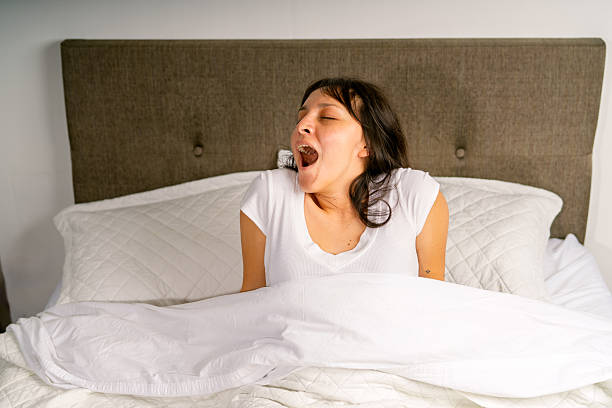
Let’s start with what happens when you fall asleep. As you drift off, all the muscles in your body relax—including the muscles in your mouth, throat, and tongue. For most people, this natural relaxation doesn’t cause any problems. But for millions of American adults, the tongue relaxes backward or downward, partially or completely blocking the airway. This is a primary driver of obstructive sleep apnea, a condition where breathing pauses repeatedly throughout the night. When your tongue falls back, it narrows the space at the back of your throat, making it harder for air to get into your lungs. Your brain then panics, wakes you up just enough to gasp or snort, and the cycle repeats—sometimes hundreds of times a night. No wonder you feel exhausted the next day.
So what causes poor tongue positioning in the first place? One common cause is weak or underdeveloped oral and throat muscles. Just like any other muscle group, if you don’t use them properly, they lose tone. People who breathe through their mouths during the day—often due to allergies, nasal congestion, or habitual mouth breathing—tend to have a low resting tongue posture. Instead of resting against the roof of the mouth (the correct position), the tongue flops forward or hangs low. This poor daytime habit carries over into sleep, making airway collapse more likely. In fact, research shows that mouth breathers are significantly more likely to develop sleep apnea than nasal breathers.
Another surprising cause is the structure of your jaw. If you have a recessed chin or a smaller lower jaw, your tongue has less room to sit comfortably forward. The tongue is like a passenger in a car; if the seat is too far back, it ends up in the lap of the driver—in this case, blocking your throat. This is why some people with mild sleep apnea benefit from oral appliances that gently reposition the jaw forward, pulling the tongue out of the way. Anatomy matters, and sometimes a simple dental device can make a world of difference.
But there’s also a modern lifestyle component. Have you ever noticed how many of us stare down at our phones all day? This “tech neck” posture—where you crane your head forward to look at a screen—actually encourages your tongue to slide forward and your jaw to drop. Over time, this trains your tongue to rest in an unhealthy position, both during the day and at night. Similarly, sleeping on your back (the supine position) is notorious for letting the tongue fall back into the airway. Gravity works against you. This is why side sleeping is often recommended for people with mild sleep apnea or snoring issues.
The good news is that you can improve your tongue positioning with simple exercises and awareness. A practice called “myofunctional therapy” focuses on strengthening the tongue, lips, and throat muscles. For example, pressing your entire tongue flat against the roof of your mouth and holding it there for several seconds can retrain your muscle memory. Humming, singing, and even certain swallowing exercises can also help. Many sleep specialists now recommend these exercises as a complementary treatment for mild apnea or snoring. And if you suspect your tongue position is a major issue, consider seeing a sleep dentist or an ear, nose, and throat specialist. They can evaluate whether you need a custom oral appliance, a CPAP machine, or simply a change in sleeping position.
At SleepGoals, we want you to understand that poor sleep isn’t just about stress or a bad mattress—it’s often about the tiny, invisible mechanics of your own body. Your tongue is a powerful muscle that can either support your airway or choke it out. By paying attention to where your tongue rests during the day and how it behaves at night, you can take a big step toward ending the cycle of poor sleep, breathing issues, and daytime fatigue. So tonight, before you close your eyes, try consciously placing your tongue on the roof of your mouth. It’s a small change that could lead to jaw-dropping results.
Dream Blog
Real sleep talk for real people.

Muse S Headband Meditation Feedback
The Hidden Chemical Behind Your Bedtime Tiredness