Detecting Apnea Events via Phone Mic
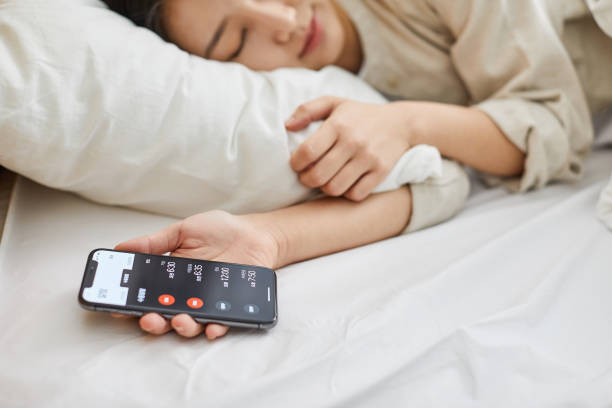
Sleep apnea is far more than just loud snoring. When you experience an apnea event, your airway becomes partially or completely blocked, cutting off oxygen to your brain and body for ten seconds or longer. Your brain then jolts you awake just enough to reopen your airway, often with a gasp, choke, or snort. This cycle can repeat hundreds of times per night, and many people never fully wake up to remember it. The result is fragmented, unrefreshing sleep that puts you at higher risk for high blood pressure, heart disease, stroke, and daytime fatigue that impacts your safety behind the wheel or at work.
Traditional diagnosis of sleep apnea requires a costly and often inconvenient laboratory sleep study, or polysomnography, where you sleep attached to sensors in a strange bed while technicians monitor your brain waves, eye movements, heart rate, and breathing. While these studies remain the gold standard for clinical diagnosis, you do not need a lab to get a strong initial picture of your breathing patterns during sleep. The microphone in your smartphone is remarkably sensitive. With the right overnight audio and snore recording app, it can pick up the distinctive sound of gasping for air, the silence between breaths, and the pattern of snoring that might indicate an obstruction.
When you set up an overnight audio recording on your phone, you want to place the device on a nightstand or a stable surface within a few feet of your head. The microphone should face you but not be covered by a pillow, blanket, or phone case. Many sleep tracking apps are designed specifically for this purpose, and they analyze the audio file overnight to identify episodes where breathing stops, followed by a sudden gasp or snort. Over time, the app can calculate an estimated apnea-hypopnea index, or AHI score, which is the number of apnea or hypopnea events you experience per hour. An AHI score under five is considered normal, five to fifteen indicates mild sleep apnea, fifteen to thirty is moderate, and anything over thirty is severe.
This type of monitoring is not a substitute for a formal medical diagnosis, but it is an incredibly accessible first step for anyone who suspects they might have a sleep-breathing disorder. If you consistently see a high AHI score from your phone’s overnight recordings, that is a clear signal to schedule an appointment with a sleep specialist. You can even bring the audio files or the app’s report to your doctor to help them understand your situation better. Many physicians are now open to reviewing home-recorded data because it provides a much longer and more natural sample of your sleep than a single night in a lab.
Beyond just detecting apnea events, overnight audio recording gives you a window into your overall sleep quality. You can hear if you are snoring loudly every night, which might indicate simple positional snoring or a more serious obstruction. You can notice if you talk, grind your teeth, or have restless movements that disturb your rest. Some apps also track room noise, such as traffic or a partner’s snoring, that might be disrupting your sleep without you realizing it.
Make no mistake, the goal of this monitoring is not to create anxiety or to make you obsess over every sound you make. Quite the opposite. By shedding light on what happens in the dark, you can take control of your sleep health. If you discover potential apnea events, you can explore treatments like positional therapy, oral appliances, CPAP machines, or lifestyle changes like weight loss and avoiding alcohol before bed. If the audio reveals mostly peaceful breathing with only occasional snoring, you can rest easier knowing your airway is likely healthy.
Your smartphone is already a powerful tool for connection, productivity, and entertainment. Now it can also serve as a friendly night watchman for your breathing. Simply set it to record overnight audio and snore patterns, review the data in the morning, and use that information to guide your next steps toward better sleep. The key is consistency—record for several nights to get a reliable picture rather than reacting to a single unusual night. With this simple habit, you can become your own sleep detective, catching apnea events that would otherwise go unnoticed and taking the first real step toward the deep, restorative sleep you deserve.
Dream Blog
Real sleep talk for real people.

Resting Heart Rate Dip During Sleep
The Simple Morning Light Habit That Transforms Your Sleep