How to Know You Are Too Tired

At SleepGoals, we focus on helping you get the best sleep possible. But before we can optimize your bedtime routine or recommend the perfect cooling pillow, we need to talk about something far more urgent. When you are dangerously tired, you are not just a risk to yourself—you are a risk to everyone on the road. Microsleep, that split-second nod-off you do not even remember, can happen without warning. And unlike drinking or distracted driving, fatigue is often invisible until it is too late.
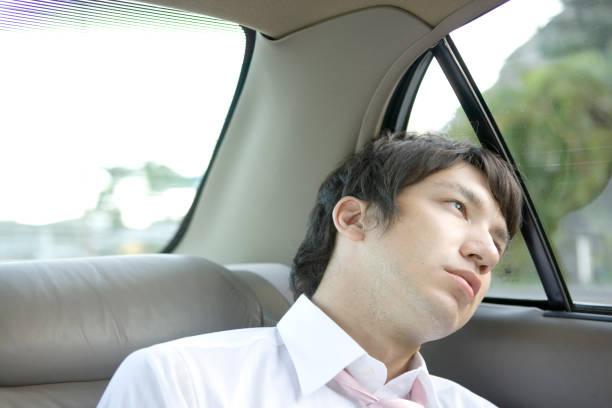
How do you know you are too tired? The signs are subtle at first. Maybe you miss your exit or you realize you do not remember the last few miles. That is a classic red flag known as highway hypnosis. Your brain is briefly shutting down parts of its awareness to conserve energy. You might find yourself yawning constantly, rubbing your eyes, or having trouble keeping your head upright. Your thoughts may start to wander, and you might notice your reaction time slowing down when the car in front of you brakes. If you start blinking more than usual or your vision blurs, your body is screaming for sleep. None of these are minor inconveniences. They are the same cognitive impairments you would experience with a blood alcohol concentration of 0.08 percent—the legal limit for driving in most states.
The National Highway Traffic Safety Administration estimates that drowsy driving plays a role in tens of thousands of crashes every year in the United States. Many of these are fatal. Yet most people believe they can power through it. They think they are tougher than their biology. But the science is clear: after roughly 18 hours of being awake, your performance behind the wheel is equal to someone with a 0.05 blood alcohol level. After 24 hours awake, that jumps to the equivalent of 0.10—legally drunk. The problem is that unlike alcohol, you cannot measure fatigue with a breathalyzer, and the effects sneak up on you until it is too late.
What can you do if you feel that wave of exhaustion hitting you while you are driving? The safest answer is to pull over immediately. Find a well-lit rest area, gas station, or parking lot. Then take a brief nap. Even just 15 to 20 minutes of sleep can restore enough alertness to get you home safely. But be careful not to sleep longer than half an hour, because you may enter a deep sleep cycle and wake up groggy. After your nap, get out of the car, walk around, and drink some caffeine. Give it about 30 minutes for the caffeine to kick in. This combination—a short nap plus caffeine—is one of the most effective ways to fight drowsy driving. However, it is a temporary fix, not a solution. If you are driving a long distance, plan ahead to stop every two hours or switch drivers if possible.
The deeper issue is that we often ignore how tired we truly are. Modern life pushes us to believe that sleep is optional, that we can cheat the system by catching up on weekends, or that we are somehow immune to the laws of biology. But you cannot stockpile sleep. When you are chronically sleep-deprived, you accumulate what scientists call sleep debt. This debt does not just make you a little groggy. It impairs your judgment, slows your physical reflexes, and changes your ability to regulate emotions. That is why you may feel irritable or foggy without realizing how drastically your abilities have dropped.
Ultimately, the best way to know you are too tired is to trust your body before you get behind the wheel. Ask yourself: Did I sleep at least seven hours last night? Do I feel alert? Am I taking any medications that cause drowsiness? Have I been driving for more than two hours without a break? If the answer to any of these makes you pause, consider a different plan. Take a nap at home before you leave. Ask someone else to drive. Use public transportation or a ride-share. Your arrival time will be a few minutes later, but your life and the lives of others are not worth saving a few minutes.
At SleepGoals, we know that quality sleep changes everything. It sharpens your mind, protects your body, and quite literally keeps you safe on the road. So before you turn the key tonight, take a moment to listen to your body. If you are too tired, do not drive. There is no destination important enough to risk your future.
Dream Blog
Real sleep talk for real people.


The Surprising Benefits of Sleep-Tracking Earbuds
Sleep and Your Sense of Humor