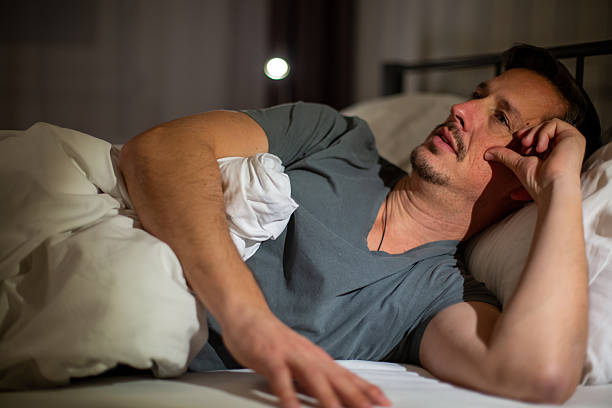
Knee Pillows for Lower Back Relief

To understand why a knee pillow works, you first need to appreciate how your spine behaves during sleep. Your lower back, or lumbar region, has a natural curve that needs support. When you lie on your back, your legs are typically extended flat. This position pulls on your hip flexors and flattens the natural curve of your lower spine, causing it to press against the mattress. Over time, this creates strain and stiffness. A pillow placed under your knees gently elevates them, allowing your hip flexors to relax and your lumbar curve to maintain its healthy shape. The result is less pressure on your vertebrae and discs, and a much more comfortable night.
Side sleepers face a different challenge. When you curl up on your side, your top leg often drops forward, twisting your pelvis and pulling your lower spine out of alignment. This misalignment pinches the soft tissues and joints, leading to that familiar morning ache. A knee pillow placed between your legs keeps your top hip, knee, and ankle stacked directly over your bottom ones. This prevents rotation and keeps your spine in a neutral, straight line from your neck to your tailbone. For most people, this one change can dramatically reduce lower back pain and even help with sciatica—the shooting nerve pain that runs down the leg.
What about stomach sleepers? While this position is generally not recommended for back health, many people can’t break the habit. If you must sleep on your stomach, a thin knee pillow under your hips can lift your lower back slightly, reducing the excessive arch that strains your spine. It’s not ideal, but it’s a practical compromise that can prevent significant discomfort.
The beauty of a knee pillow is its simplicity and versatility. You don’t need a specialized medical device or an expensive ergonomic wedge. A standard bed pillow can work in a pinch, but dedicated knee pillows are usually smaller, firmer, and contoured to stay in place all night. Memory foam versions mold to your legs without flattening, while cooling gel-infused pillows help hot sleepers stay comfortable. Some are shaped like crescents or have straps that secure them to your leg, so you don’t kick them off mid-sleep.
At SleepGoals, we believe that optimizing sleep starts with small, intentional adjustments. A knee pillow costs a fraction of what you’d spend on a new mattress, yet it can deliver immediate relief for one of the most common causes of poor sleep: lower back discomfort. It’s a prime example of how a “Special Use” pillow can target a specific problem without cluttering your bed or breaking your budget.
If you’re an American adult struggling with back pain, give a knee pillow a two-week trial. Place it under your knees if you’re a back sleeper, or between your knees if you’re a side sleeper. Pay attention to how your lower back feels when you wake up. Many users report that the improvement is noticeable within the first few nights. It’s not a cure-all—if your pain persists, you should see a healthcare provider—but it’s a safe, natural, and highly effective first step.
In the broader context of sleep science, we know that alignment is everything. From your mattress to your pillow to the way you position your legs, every detail matters. A knee pillow is a tiny investment in that alignment, and it can be the missing piece that transforms your nights from restless to restorative. So if you’ve been tossing and turning with a sore lower back, don’t overlook this simple tool. Your spine works hard all day—let it relax and recover when you sleep.
Dream Blog
Real sleep talk for real people.


The Thermal Trade-Off: Why Ditching Sheets Might Actually Keep You Cooler
Why a Cool Mattress Could Be the Difference Between Restful and Restless Nights