How Stress Turns Your Evenings Into a Battle for Time

Stress doesn’t just make you feel tense during the day. It leaves a residue that follows you into the evening, whispering that you haven’t done enough, worked enough, or lived enough. When your waking hours are consumed by deadlines, demands, and constant obligations, the only time that truly feels like yours is the late-night hour when everyone else is asleep. Sacrificing sleep becomes a way to reclaim control, even if that control is fleeting and self-defeating.
The stress response in your body is designed for short bursts of action. When you’re chronically stressed, your cortisol levels stay elevated well past sunset. This hormone tells your brain to stay alert, making it harder to wind down naturally. But the bigger problem is emotional. Stress often comes from feeling powerless. You can’t control your boss, your bills, or your family’s needs. What you can control is the choice to stay awake.
That choice feels satisfying in the moment. It’s a small act of defiance against a day that demanded everything from you. Psychologists call this “reactance” – when you feel your freedom is being restricted, you push back. Work steals your daylight hours, so you steal some back from sleep. The problem is that this revenge isn’t against anyone but yourself. The next day, you’re groggy, less focused, and even more stressed. That stress makes you crave evening revenge again. It’s a vicious cycle.
Many American adults fall into this trap because they face a unique cocktail of stress: long commutes, constant digital connectivity, and a culture that equates busyness with worth. You might not even realize you’re doing it. You tell yourself you’re just not sleepy yet, or you need to decompress. But the truth is that decompression can happen without a screen and without staying awake. True rest doesn’t require being unconscious. A quiet five-minute walk, a warm bath, or simple breathing can give your brain the sense of ownership it craves.
If you want to break free from revenge bedtime procrastination, start by forgiving yourself. Guilt only adds to stress. Instead, schedule a tiny slice of “me time” earlier in the evening. Maybe it’s fifteen minutes with a cup of tea before you tackle the dishes. Or a short stretch session right after dinner. When your mind knows it has a dedicated time for pleasure, it doesn’t need to hijack your sleep hours.
Another practical shift is creating a boundary between work and rest. Stress often lingers because you take your work mentally home with you. Try to mentally shut the office door by writing down your unfinished tasks for tomorrow and promising yourself that list will be there. This simple act lowers your cognitive load, making it easier to let go. Then, set a “lights out” for all devices at least thirty minutes before bedtime. Blue light from screens suppresses melatonin, but more importantly, the content you consume often revs up your emotions. News, work emails, and social media feed stress directly into your brain.
Building a wind-down routine that involves physical separation from your day can also help. When you feel the urge to procrastinate, recognize it as a signal of unmet needs. Maybe you need more autonomy, more fun, or more connection. Address those needs in small ways during the day. Take a real lunch break. Go for a walk without your phone. Call a friend. You don’t have to overhaul your life. Just add small doses of restored agency.
Another powerful strategy is to practice a bit of pre-sleep self-talk. Tell yourself that staying up later won’t give you the life you want. What it gives you is more fatigue and more stress tomorrow. You deserve better than a tired, half-hearted version of yourself. Sleep is not the enemy of your freedom. It’s the door to your next best day.
Revenge bedtime procrastination is a rational response to an irrational world. But it’s a response that costs you exactly what you’re trying to gain. When you treat sleep as a gift rather than a punishment, you stop fighting the night. You start noticing that a rested morning feels far more rebellious than a zombie midnight. Break the cycle with kindness, not willpower. Your brain will follow your new patterns, and soon you’ll look forward to climbing into bed because it’s the place where you finally get everything you need.
Dream Blog
Real sleep talk for real people.

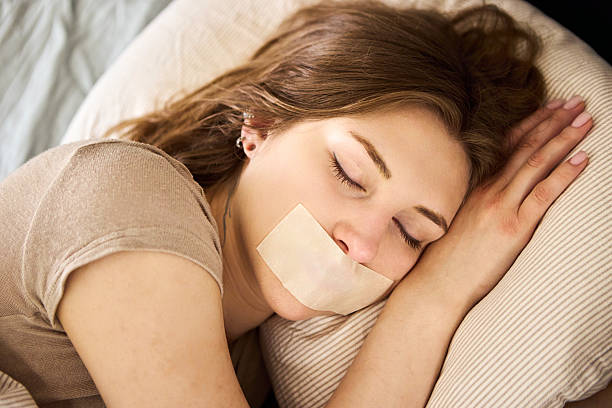
How Nasal Breathing Affects Sleep Quality

Choosing a Pillow for Neck Stenosis