How Gentle Brain Stimulation Could Unlock Deeper Sleep
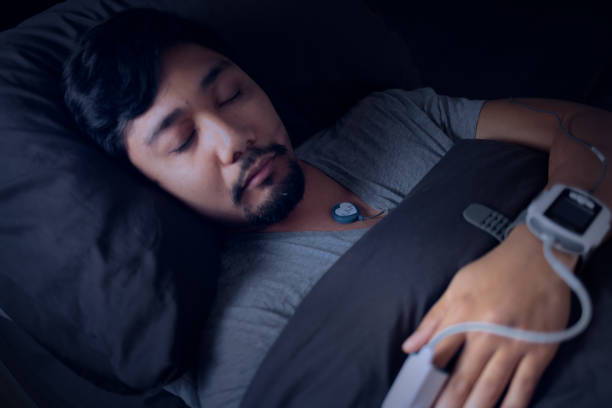
Here’s the basic idea. Your brain produces different types of electrical rhythms depending on what you’re doing. When you’re awake and alert, you see fast, irregular patterns. When you’re in deep sleep, your brain shifts into slow oscillations—big, rolling waves that sweep across the cortex. These waves are like a quiet reset button for your mind. They clear out waste products, strengthen immune function, and leave you feeling genuinely refreshed in the morning. But as we age, or when we’re stressed, those slow waves become weaker and less frequent. That’s where tACS comes in.
A tACS device typically looks like a soft headband or cap embedded with small electrodes. You wear it while you’re falling asleep or during the first part of the night. The device sends a very low-level alternating current, usually between one and four cycles per second, which matches the frequency of slow-wave sleep. That current isn’t enough to make you feel anything—no pain, no jolt, just a faint tickle at most. But the brain is sensitive to rhythmic signals. When it senses that gentle, rhythmic push, it tends to align its own electrical activity with that beat. Over time, your brain starts producing stronger, more consistent slow waves all on its own.
Sound too good to be true? Scientists have been testing this for over a decade, and the results are encouraging. In a landmark study from 2013, researchers at the University of North Carolina applied tACS to participants during sleep and saw their slow-wave activity increase significantly. Memory tests the next morning showed better recall in the stimulated group compared to the group that got no stimulation. Since then, multiple labs have reproduced similar findings. People with insomnia, older adults, and even athletes seeking faster recovery have all shown improvements in sleep quality when using tACS. One recent trial found that a single night of stimulation improved both sleep depth and the feeling of being rested the next day, with no side effects reported.
Of course, there are plenty of practical questions. Is tACS safe for long-term use? Most researchers believe yes, because the current levels are far below what’s used in medical procedures. But the technology is still not approved by the FDA for home use. If you are shopping online today, you’ll find unregulated devices with flashy marketing and big promises. Many of these don’t meet proper safety standards or use the right electrode placements. Sleep experts urge caution: buying a random headband from the internet could waste your money or, worse, interfere with other health conditions. Instead, experts recommend waiting for clinical trials to finish or using the devices under a doctor’s guidance, especially if you have epilepsy, a pacemaker, or a history of migraines.
So what does the future actually look like? Imagine a smart pillow that senses sleep deprivation and applies a gentle tACS signal during the first few hours of the night. Or a wearable headband that syncs with an app on your phone, adjusting current strength in real time based on your brain’s response. That kind of closed-loop system is already being tested for other brain conditions, and sleep is a natural fit. Manufacturers are working on safer, more comfortable designs, with built-in dry electrodes that don’t require messy gel or wires. Within five to ten years, tACS could become as routine as wearing a sleep tracker. You might not even need a full night of stimulation—just twenty minutes early on to set the stage for deeper rest.
The promise of tACS isn’t just about fixing bad sleep one night at a time. It’s about genuinely restoring the sleep architecture that modern life so easily disrupts. Deep sleep is the foundation for memory, mood, metabolism, and cardiovascular health. By strengthening that foundation with a gentle electrical nudge, we could reduce the burden of chronic insomnia, slow cognitive decline in older adults, and help millions feel more alert and balanced. There’s still work to do, but the direction is clear. Our brains already know how to sleep deeply—we just need to help them find the rhythm again. With neurotechnology like tACS, that help is no longer a distant dream.
Dream Blog
Real sleep talk for real people.

SleepWatch AI Body Battery Analysis