Bladder Training Techniques That Work
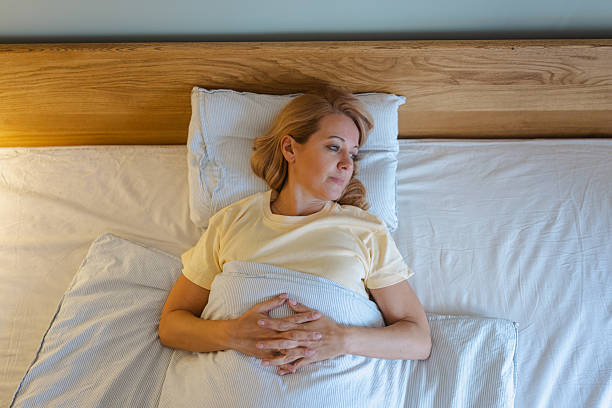
First, it helps to understand why nocturia happens. Your kidneys naturally slow down urine production at night, but certain factors can override that process. Drinking fluids too close to bedtime, especially caffeine or alcohol, is a major culprit. Caffeine is a diuretic, meaning it tells your kidneys to flush out water, while alcohol suppresses an antidiuretic hormone that normally keeps urine production low during sleep. Other common causes include an overactive bladder, where the bladder muscles contract too early, or simply a habit pattern where your body has learned to wake up at the same time each night to empty. Sometimes, underlying conditions like sleep apnea, diabetes, or an enlarged prostate in men contribute, but for many people, the problem is behavioral and trainable.
Bladder training works by gradually increasing the time between urinations, both during the day and at night. The core idea is that your bladder is a muscle, and like any muscle, it can be stretched and strengthened with consistent practice. One of the most effective techniques is called scheduled voiding. During the day, you aim to urinate at set intervals, even if you don’t feel the urge. Start with a manageable window, say every two hours, and then push it to two and a half hours after a week or two. The goal is to retrain your brain to ignore those early “gotta go” signals until it’s truly time. Over several weeks, you can stretch that interval to three or four hours. This builds bladder capacity and reduces the total number of nighttime voids.
Another simple but powerful technique is double voiding. Before bed, urinate as completely as you can. Then, wait thirty seconds and try to go again. This second emptying catches any residual urine left in the bladder, which can otherwise trigger an early wake-up. Pair this with a strict fluid cutoff: stop drinking all liquids at least two hours before bedtime. Water, tea, and even soups count. If you feel thirsty in the evening, sip just enough to wet your mouth, but no more. Many people find that a single adjustment—like cutting out that after-dinner glass of wine or the herbal tea they thought was harmless—makes a dramatic difference.
You can also practice pelvic floor exercises, commonly known as Kegels. These strengthen the muscles that support the bladder and urethra, giving you better control over when you urinate. To do them, simply tighten the muscles you would use to stop the flow of urine, hold for five seconds, then relax for five seconds. Aim for three sets of ten repetitions each day. Stronger pelvic floor muscles help you hold more urine and reduce the urgency that wakes you up. For men, especially those with prostate issues, these exercises can be particularly helpful in managing nocturia.
It’s important to be patient with bladder training. Results rarely happen overnight—pun intended. You may have setbacks, especially during stressful periods or after an evening out with heavier drinking. That’s normal. The key is consistency. Use a simple logbook or a notes app on your phone to track how many times you wake up each night and what you ate or drank before bed. Over two to four weeks, you will likely see a pattern emerge, and you can adjust your techniques accordingly. If you have an underlying medical condition like sleep apnea, treating that condition can reduce nocturia significantly. In fact, many people with undiagnosed apnea find their nighttime bathroom trips vanish once they start using a CPAP machine.
If you try these techniques for six to eight weeks and you’re still waking up two or more times a night, it’s worth talking to your doctor. They can rule out infection, diabetes, or other causes that need medical treatment. But for the vast majority of adults, bladder training is safe, free, and highly effective. It puts the control back in your hands—and your bladder.
Remember, good sleep isn’t just about a comfortable mattress or the perfect pillow. It’s about removing the obstacles that yank you from dreamland. Nocturia is one of the most fixable causes of poor sleep, and with a little patience and practice, you can train your bladder to let you and your brain rest through the entire night. Start tonight. Your future well-rested self will thank you.
Dream Blog
Real sleep talk for real people.

The 65-Degree Rule for Thermostats

Dust Mites, Dead Skin, and the Case for Replacing Your Pillow