Adenosine The Real Sleep Pressure Chemical
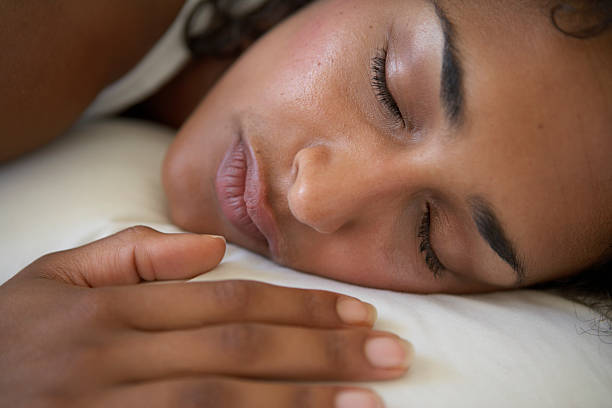
Let’s start with what adenosine actually does. Every time your brain cells fire, they use energy. That energy comes from a molecule called ATP, or adenosine triphosphate. As ATP gets broken down to power your thoughts, movements, and even your breathing, one of its leftover pieces is adenosine. Think of it like the exhaust from your car engine. Throughout the day, adenosine accumulates in your brain, binding to special receptors that slow down neural activity. The longer you’re awake, the more adenosine builds up, and the stronger your urge to sleep becomes. That’s sleep pressure—a literal chemical weight that pulls you toward rest.
This is why the first few hours after you wake up feel relatively alert. Overnight, your brain clears out most of the accumulated adenosine. But by noon or mid-afternoon, that pressure starts to return. By evening, it peaks. If you’ve ever had a “second wind” late at night, that’s not adenosine disappearing. It’s likely your circadian rhythm giving a brief boost of alertness, but the underlying pressure is still there, waiting to reassert itself.
Now, here’s where adenosine becomes especially relevant for anyone struggling with sleep. Caffeine—the world’s most popular psychoactive substance—works by blocking adenosine receptors. When you drink coffee or tea, caffeine molecules slide into those receptors and prevent adenosine from docking there. Your brain doesn’t stop producing adenosine, but your brain can’t feel its effects. So you feel artificially alert, even though sleep pressure is building beneath the surface. That’s why a late-afternoon espresso can sabotage your night’s sleep. By the time the caffeine wears off hours later, all that pent-up adenosine hits you at once, often leading to a crash or restless, shallow sleep.
This understanding can change how you approach your evening routine. If you’re aiming for deep, restorative sleep, you want adenosine levels to be high and unopposed by caffeine by bedtime. That means finishing your last cup of coffee at least six to eight hours before you plan to sleep. For many people, that means no caffeine after noon. It also means being aware of hidden sources—soda, tea, energy drinks, and even some over-the-counter pain relievers can contain caffeine.
Adenosine doesn’t just promote sleep onset; it also influences sleep quality. Deep sleep, or slow-wave sleep, is when your body repairs tissue, your brain clears metabolic waste, and your immune system strengthens. Adenosine encourages this deep sleep. When your adenosine levels are robust at bedtime, you’re more likely to spend a generous portion of the night in that restorative stage. Conversely, when adenosine is blocked or insufficient, you may wake up feeling like you barely slept, even if you clocked seven or eight hours.
How can you support healthy adenosine buildup? The best strategy is consistency. Your brain learns when to release adenosine based on your schedule. Going to bed and waking at the same time every day helps your brain align adenosine production with your natural circadian rhythm. Exercise also boosts adenosine levels. Moderate physical activity increases metabolic demand, meaning more ATP is broken down, and more adenosine accumulates. That’s why a good workout often leads to a satisfying night of sleep. Just be careful not to exercise too close to bedtime—the spike in adrenaline and body temperature can interfere with adenosine’s quieting effect.
Light exposure also plays a role. Bright light, especially blue light from screens, can suppress adenosine receptor sensitivity. Dimming lights an hour before bed tells your brain that production of adenosine should proceed unopposed. That’s one reason experts recommend reducing screen time in the evening.
Finally, understand that alcohol may seem to help you fall asleep, but it actually suppresses adenosine release during the first half of the night, leading to fragmented sleep later. A glass of wine might help you nod off, but it disrupts the very chemical system that ensures deep, continuous rest.
Adenosine isn’t flashy, and it doesn’t get the marketing attention that melatonin does. But it is the foundation of your natural sleep drive. When you work with it—by timing caffeine wisely, staying active, keeping a consistent schedule, and dimming lights at night—you give your brain the signal it needs to sink into the deep, healing sleep your body craves.
Dream Blog
Real sleep talk for real people.


Plant-Based Memory Foam Innovations

Sound Waves That Shape Your Dreams: How Closed-Loop Audio is Changing Sleep