Anxiety Reduction Through Nose Dominance
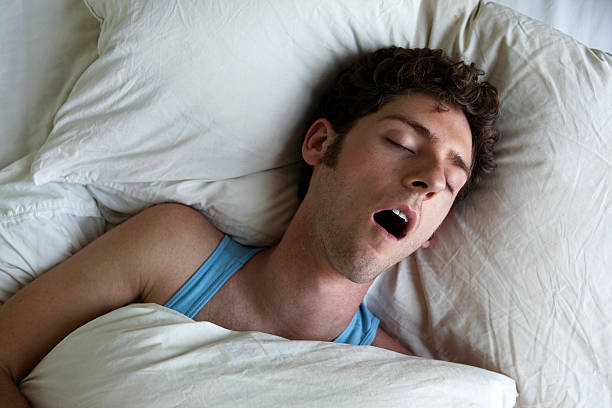
Let’s start with the basics. When you breathe through your nose, the air passes through your nasal passages, which filter, warm, and humidify it before it reaches your lungs. Your nose also produces nitric oxide, a molecule that helps widen blood vessels and increase oxygen uptake. Nasal breathing activates your diaphragm more fully, which stimulates the vagus nerve—the main nerve of your parasympathetic nervous system. This is your “rest and digest” mode. In contrast, mouth breathing bypasses these benefits. It pulls air too quickly into your lungs, often leads to shallower chest breathing, and can keep your body stuck in a sympathetic, or “fight or flight,” state. Over time, chronic mouth breathing can raise your baseline anxiety and make it harder to fall asleep and stay asleep.
This is where myofunctional therapy comes into play. Myofunctional therapy is not a fad; it is a set of exercises and habit changes that retrain your tongue, lips, and facial muscles to support proper breathing, swallowing, and posture. One of its key goals is to promote nasal breathing at all times, especially during sleep. For many adults, this means addressing issues like a weak tongue posture, a narrow palate, or a habit of mouth breathing that developed years ago. A myofunctional therapist might teach you exercises to strengthen your tongue, improve your lip seal, and consciously practice nose breathing during the day. The idea is to make nose breathing automatic, so that when you drift off at night, your body defaults to the calming, anxiety-reducing pattern.
One of the most practical and increasingly popular sleep aids related to this approach is mouth taping. Mouth taping involves placing a small, skin-safe strip of tape vertically over your lips before bed. It is not meant to seal your mouth shut completely, but rather to provide a gentle reminder to keep your lips closed. If you have trained your body to breathe through your nose during the day, the tape simply reinforces that habit at night. Many people who try mouth taping report waking up feeling more rested, with a drier mouth and less snoring. More importantly, they often notice a significant reduction in nighttime anxiety and racing thoughts. Why? Because nasal breathing throughout the night keeps your nervous system in a relaxed state, lowers your heart rate, and reduces cortisol levels.
Does mouth taping work for everyone? Not necessarily. If you have a deviated septum, chronic nasal congestion, or sleep apnea, you should talk to your doctor before trying it. However, for the average adult who simply wants to reduce anxiety and improve sleep quality, it can be a game-changing sleep aid. Combined with daytime myofunctional exercises, mouth taping helps you retrain your body to prefer nose breathing. Over a few weeks, many people find they no longer need the tape—they have naturally become nose-dominant.
It is important to understand that this is not about forcing yourself into an uncomfortable position. The goal is to work with your body’s natural design. Your nose was built to breathe, and your mouth was built to eat and speak. When you let your nose do its job, your sleep deepens, your anxiety eases, and you wake up feeling more refreshed. At SleepGoals, we believe that the best sleep aids are often the simplest ones. Before you reach for a pill or a gadget, consider how you breathe. A little tape and a few minutes of daily tongue exercises could be the most effective anxiety reduction strategy you have never tried.
As you explore ways to optimize your sleep, remember that small changes in breathing habits can create big shifts in your overall well-being. Whether you are dealing with occasional anxiety or chronic poor sleep, nose dominance offers a gentle, science-backed path to calmer nights and brighter mornings.
Dream Blog
Real sleep talk for real people.


Light Wearables: Can They Really Help You Sleep Better?
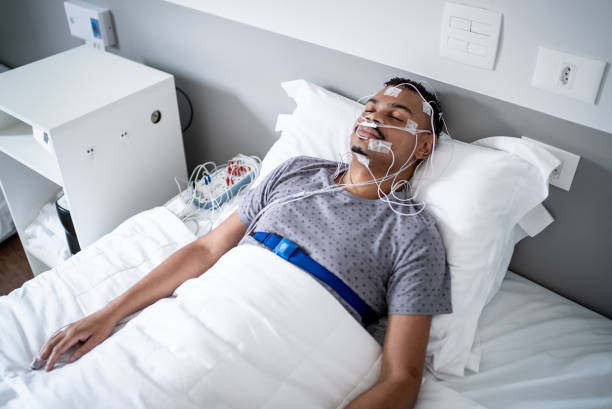
The Polysomnography Wires Experience