The Polysomnography Wires Experience
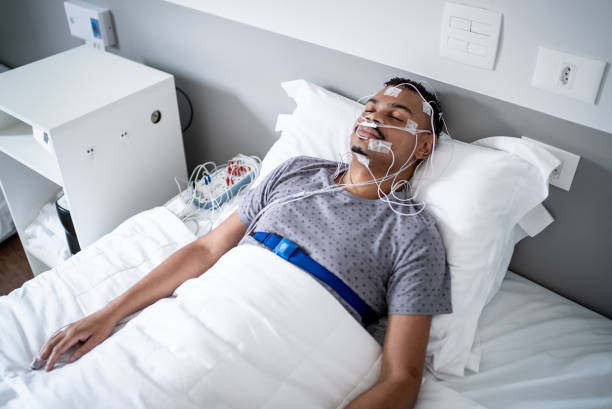
First, let’s be clear about when a lab study is the right move. Home sleep tests are convenient and great for diagnosing straightforward cases of obstructive sleep apnea. But if your doctor suspects conditions like narcolepsy, restless legs syndrome, complex sleep apnea, or seizures during sleep, or if a home test came back inconclusive, a full overnight polysomnography in a sleep lab becomes essential. These lab studies capture far more data than any wearable device can—brain waves, eye movements, heart rhythm, breathing patterns, leg movements, and oxygen levels, all synchronized in real time. It is the gold standard for understanding what actually happens while you are unconscious.
So what is the actual wire experience like? You arrive at the sleep center in the evening, typically between 7 and 9 p.m. The room looks more like a comfortable hotel room than a hospital—usually a private bedroom with a real bed, dim lighting, and a thermostat you control. A sleep technologist, often a friendly and patient person who has done this hundreds of times, will explain the process. You change into your own pajamas, and then they begin placing the sensors.
The head is the most involved area. The technologist will use a blunt pencil or a small measuring tape to mark specific spots on your scalp. Do not worry—there are no needles and no pain. They use a water-soluble paste or a gentle adhesive to attach small metal disks, each with a thin wire, to those marks. Expect around fifteen to twenty leads on your head alone. They may also place small stickers near your eyes, on your chin, on your chest and legs, and a clip on your finger. The technologist will often bundle the wires into a loose ponytail-like bundle near the top of your head so you can move slightly without tangling.
Once all wires are attached, you will be asked to lie down just as you would at home. The technologist will go to a separate monitoring room down the hall, but you can talk to them through a speaker at any time. Many people worry they will not fall asleep at all. Here is the reassuring truth: most people do sleep enough for a valid study. The paste and adhesives are designed to stay on even if you toss and turn, and the technologists have seen every sleeping position and habit imaginable. They will not judge your snoring, drooling, or talking in your sleep. Their only goal is to collect clean data.
If you need to get up to use the bathroom during the night, you simply call out, and the technologist will come unplug you from the main box next to the bed. It takes less than a minute. Then they plug you back in when you return. Some labs even offer a wireless connection that lets you walk freely within the room.
The wires themselves are thin and flexible. You will feel them against your scalp and face, but most people say the sensation fades within the first half hour, especially once the lights are off and the room is quiet. The technologist may ask you to do a few calibration tasks before sleep, like close your eyes, breathe normally, or wiggle your toes. This helps them set baseline readings.
By morning, the technologist wakes you gently—usually around 6 or 7 a.m.—and removes all the sensors. The paste washes out easily with a little water and shampoo. You get dressed, have a light breakfast if offered, and head home. You will usually receive the results from your doctor within a week or two, and that report can be life-changing. Whether it reveals apnea, periodic limb movement disorder, or a reassuringly normal brain pattern, you finally have a roadmap.
The polysomnography wire experience is not glamorous, and it is not a night at a luxury resort. But it is a night that can give you an answer. For anyone suffering from chronic poor sleep, those few hours of wires are a small price to pay for years of better rest and better health.
Dream Blog
Real sleep talk for real people.

The 30-Minute No-Screen Rule Reality
Type One Versus Type Three Devices