Your Sleep DNA: How Genetics and Epigenetics Shape Your Nights
For years, researchers focused on the genetic side of sleep. They found specific genes like PER3 and DEC2 that influence your natural sleep timing and duration. Your chronotype, whether you are a morning lark or a night owl, is heavily influenced by these genetic variations. Some people genuinely carry a gene variant that allows them to thrive on less sleep, though that is rare. Most of us fall somewhere in the middle, with a personal sweet spot that feels just right. Understanding your genetic predisposition can help you stop fighting your natural rhythm. If your DNA says you are a night owl, forcing yourself into a 5 a.m. workout routine might be sabotaging your sleep quality rather than improving it.
But here is where it gets exciting. Epigenetics, which literally means “above the genes,“ describes how your environment and lifestyle turn genes on or off. Think of your genome as a piano. The keys are fixed, but how you play them determines the melody. Sleep-related genes respond to signals like stress, diet, light exposure, and even your thoughts. For example, chronic stress triggers chemical changes that mute genes involved in restorative deep sleep. Meanwhile, regular exercise and consistent meal times can switch on protective genes that help you fall asleep faster and stay asleep longer. This means your daily habits are not just side effects of your sleep struggles; they are active participants in rewriting your sleep story.
One of the most powerful epigenetic influences is light. When your eyes catch morning sunlight, it kicks off a cascade of molecular events that tell your brain to produce cortisol and suppress melatonin. This sets your internal clock for the day. But artificial light at night, especially the blue wavelengths from screens, sends a conflicting signal. Over time, that misalignment can alter how sleep genes are expressed, leading to fragmented rest. The good news? Simply dimming your lights and putting your phone away an hour before bed can reverse some of those changes within a few weeks. Your genes are listening to every photon you expose yourself to.
Diet also plays a starring role in epigenetic sleep optimization. Nutrients like folate, B vitamins, and certain amino acids act as raw materials for the chemical tags that attach to your DNA. These tags, called methyl groups, can either silence or amplify sleep-related genes. For instance, a diet rich in leafy greens and eggs provides the building blocks for healthy methylation patterns associated with deeper sleep. On the flip side, excessive alcohol and heavily processed foods have been shown to disrupt these patterns, leaving you more susceptible to insomnia and restless nights. What you eat today is literally writing instructions for how your sleep genes will behave tomorrow.
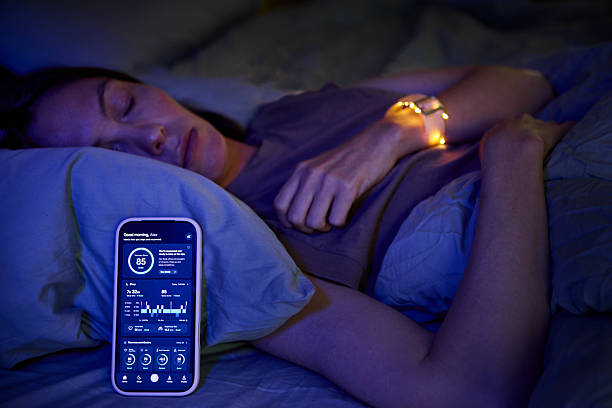
So what does this mean for your future? It means personalized sleep care is moving beyond generic advice like “get eight hours.“ Soon, you might order a genetic test that maps your chronotype and key sleep-related variants. Then, with the help of a wearable or a simple app, you can track epigenetic indicators like heart rate variability and skin temperature. Over time, you will learn exactly which practices, from a morning walk to a magnesium-rich snack, nudge your unique genetic switches toward better rest. This is not science fiction. Several companies already offer at-home DNA kits that include sleep reports, and researchers are developing epigenetic clocks that estimate how well your sleep habits are protecting your long-term health.
The takeaway is empowering. You are not a victim of your family’s sleepless nights. While you cannot change the sequence of your DNA, you can absolutely change how your genes express themselves. Your sleep environment, your stress levels, your evening routine, and your food choices are all dials you can turn. Each good night and each mindful decision writes a small mark on your epigenetic landscape, making tomorrow night a little easier. The future of sleep is not about finding a magic pill or a perfect mattress. It is about understanding that you are the co-author of your genetic destiny, and every night is a chance to edit the story for the better.
Dream Blog
Real sleep talk for real people.


Turn Your Bedroom Into a Five-Star Sleep Sanctuary
Why Fabric Weight Matters More Than Thread Count for Hot Sleepers