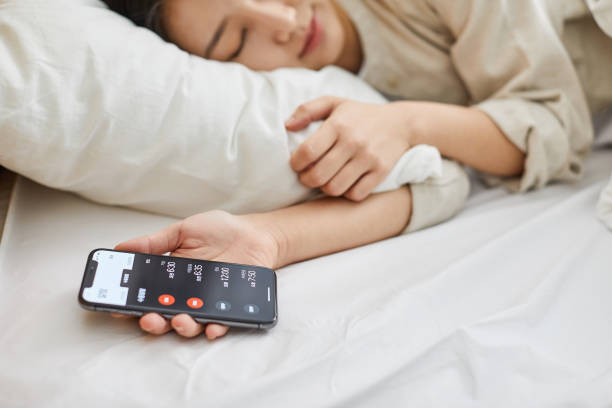
Why Your Sleep Score Shouldn’t Rule Your Morning
Here’s the good news: that number is not a verdict on your worth as a human being. Sleep scores are a helpful tool for spotting patterns over time, but they are not a precise measurement of how your body actually felt during the night. Think of them like a weather forecast. A forecast might say there’s a 70 percent chance of rain, but that doesn’t mean you should cancel every outdoor plan. Similarly, a sleep score of 70 doesn’t mean you’re doomed to be cranky and unfocused all day. It’s an estimate, not a promise.
The biggest mistake most people make is treating one night’s score like a report card. You had a bad night, so you assume your entire week is ruined. But sleep is not a single exam. It’s a cumulative process. Your body doesn’t just heal on Tuesday night and call it quits. It’s constantly repairing, rebuilding, and resetting. A single low score might reflect a late dinner, a stressful meeting, or an extra hour of Netflix. That’s not a personal failure. It’s just data.
To truly understand your sleep scores, you need to look at the big picture. That means tracking trends across seven, fourteen, or thirty nights. Instead of asking “Why did I score an 82 last night?“ ask “What’s my average score this week?“ Or better yet, ask “How do I usually feel on days after I score below 75?“ Because here’s the secret: your own subjective sense of energy and alertness matters far more than any algorithm. If you wake up refreshed and ready to tackle the day, a score of 60 won’t change that. If you feel like you’re dragging, an excellent score doesn’t magically fix it.
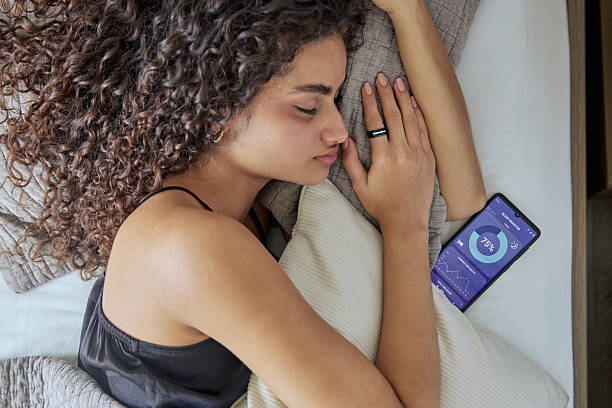
Sleep scores are made up of several factors, like duration, efficiency, restlessness, and time spent in different stages. But these measurements come from sensors on your wrist or under your mattress. They are estimates based on movement and heart rate. They are not brain scans. So when your device says you only got twenty minutes of deep sleep, don’t panic. That number could be off by quite a bit. The technology is improving, but it’s not perfect. What you can rely on is the overall shape of your nightly sleep. Is it consistently short? Are you waking up often? These patterns are more reliable than any single stage breakdown.
One of the most useful things you can do is to stop chasing a perfect score. If you find yourself staying up later just to hit a specific number of hours, or groaning when your score dips below 80, it’s time to re-evaluate your relationship with your sleep tracker. The goal of monitoring sleep is to improve your health, not to create another source of anxiety. Instead, use your scores as a gentle guide. Notice what makes your scores trend upward. Did you skip coffee after 2 p.m.? Did you go to bed fifteen minutes earlier? Those small choices add up, and your scores will reflect that over time.
There’s also the phenomenon of “orthosomnia” – a term scientists came up with for people who are so obsessed with getting a perfect sleep score that they actually sleep worse. You might be checking your device multiple times during the night. You might be adjusting your bedtime based on predictions. You might even be afraid to nap because it could mess up your score. If any of that sounds familiar, take a step back. Your tracker is there to serve you, not the other way around.
A better approach is to pair your sleep score with how you feel in the first hour after waking up. Rate your own energy, mood, and clear-headedness on a simple scale from one to ten. Over time, compare that with your device’s score. You’ll likely find that they don’t always line up. That’s normal. It also helps you learn which matters more for you. Some people thrive on six and a half hours, while others need eight. Your device doesn’t know your personal baseline. Only you do.
So tomorrow morning, before you inspect that little number, take a breath. Remember that sleep is a journey, not a perfection contest. Use your scores to spot trends, celebrate small wins, and make gentle adjustments. But never let a single night’s number define your day. The best sleep isn’t the highest score you can get. It’s the sleep that lets you wake up feeling like you can live your life.
Dream Blog
Real sleep talk for real people.

Alexa Sleep Sounds Routines Programmed

The 90-Minute Sleep Cycle: Why Timing Your Wake-Up Matters