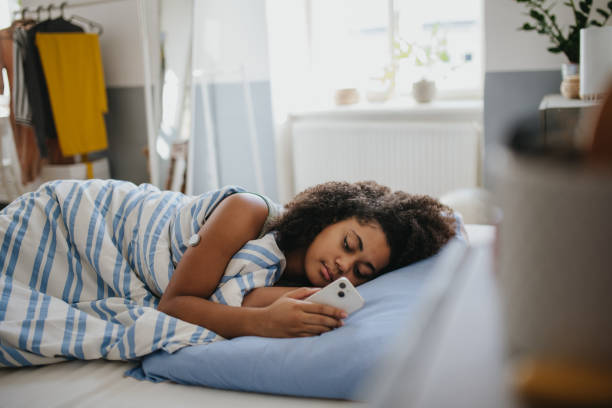
Why Your Fitness Watch’s Sleep Score Isn’t the Whole Story
Most popular fitness trackers and smartwatches use a technology called actigraphy. This means they track your movements, heart rate, and sometimes heart rate variability to estimate when you’re asleep, when you’re awake, and which sleep stages you’re in. They use algorithms based on large populations to guess what your body is doing. And guesswork is the right word. These devices are surprisingly good at detecting whether you’re asleep or awake overall, but they’re much less accurate when it comes to pinpointing REM sleep versus light sleep versus deep sleep. In fact, studies comparing consumer wearables to clinical polysomnography, the gold standard sleep test performed in a lab, show that while these watches are decent at measuring total sleep time, they often misclassify sleep stages. One night you might get a “deep sleep” reading of two hours when you actually only had forty minutes. Another night the watch might say you got zero REM sleep, but you definitely had a dream-filled night. The numbers can be noisy.
So why does this matter for you? Because something called the “premium band” effect kicks in. When you put too much trust in a single score, you start to chase the number rather than the actual quality of your rest. You might eat a late dinner, exercise at 9 p.m., or have a stressful day, and your watch gives you a low score. You feel defeated before you even brush your teeth, which only makes you more anxious, and anxiety is the enemy of sleep. The opposite can happen too. You might sleep a solid eight hours, your watch gives you a 95, and you feel invincible even though you actually woke up groggy and unrested. Neither reaction is helpful.
What your wearable is genuinely good at is spotting trends over time. Instead of obsessing over last night’s score, look at your weekly or monthly averages. Did your sleep duration trend up when you started winding down earlier? Did your heart rate variability improve on nights you skipped the nightcap? Did your sleep quality drop after you started scrolling on your phone in bed? These patterns are the real gold in your data. A single night is a snapshot, but a month is a story. The best way to use your wrist-worn watch is as a mirror for your habits, not as a judge of your worth.
Another thing to remember is that the watch can’t tell you how you feel. Sleep is not just about the number of minutes you spend in each stage. It’s about how rested you are, how clear-headed you feel, and how well you function during the day. Two people can have identical sleep scores, but one might wake up refreshed and the other might feel like they barely slept. That’s because sleep quality depends on many factors your watch can’t measure, like sleep apnea, chronic pain, or the simple fact that you’re sleeping next to a snoring partner. Your own subjective feeling of wakefulness is far more important than any algorithm.
So what should you do with your wearable’s data? First, use it as a prompt to look at your sleep hygiene. If your watch consistently shows poor rest, ask yourself simple questions. Are you keeping a regular schedule? Is your bedroom cool, dark, and quiet? Are you avoiding caffeine in the afternoon? Are you giving yourself a buffer of quiet time before bed? Your watch won’t fix your sleep, but it can point you toward what needs fixing. Second, take your sleep score with a grain of salt. Use it as a gentle guide, not a strict ruler. If you feel great but your watch says you slept poorly, trust your body. If you feel terrible but your watch says you slept like a baby, investigate what else might be going on.
Wrist-worn fitness and health watches have changed how we think about sleep. They’ve made us more aware that sleeping is not a passive activity but a vital part of our health. They’ve given us data we never had before, and that’s a wonderful thing. But data without context can lead us astray. For American adults who are already overworked and overscheduled, adding sleep anxiety on top of everything else is the opposite of helpful. The next time you look at that screen in the morning, take a breath. Say thank you to your watch for the information, then check in with yourself. How do you actually feel? That answer, not the score, is the first step toward the best sleep of your life.
Dream Blog
Real sleep talk for real people.

Segmented Sleep: How Our Ancestors Slept in Two Shifts
Washing Silk Pillows Without Ruining