Why Drowsy Driving Is Just as Dangerous as Drunk Driving
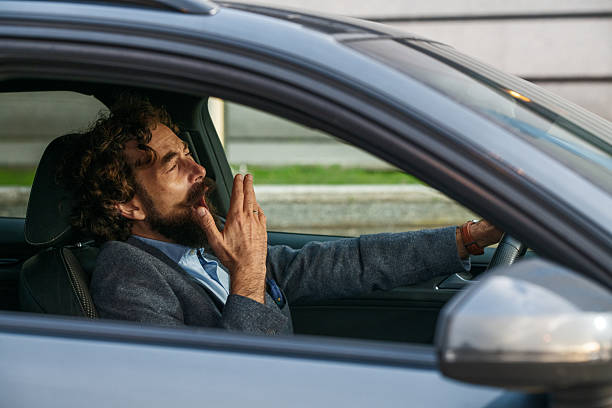
Most Americans understand the dangers of drinking and driving. We have public service campaigns, designated drivers, and strict legal limits. But drowsy driving remains a quiet epidemic. According to the National Highway Traffic Safety Administration, thousands of fatal crashes each year involve a drowsy driver. Many experts believe the real number is far higher because there is no breathalyzer test for fatigue. A driver who has been awake for 18 hours performs as poorly as someone with a blood alcohol concentration of 0.05 percent. At 24 hours without sleep, that impairment equals 0.10 percent, which is above the legal limit in every state. Think about that. You wouldn’t slam a few whiskeys before getting behind the wheel, but many of us don’t think twice about driving on four or five hours of sleep.
Why is sleepiness so dangerous behind the wheel? It affects every skill you need to drive safely. Reaction time slows down, so you brake later. Judgment becomes clouded, making you take risks you normally wouldn’t. Your vision narrows, and you miss important cues like a pedestrian stepping off the curb or a car changing lanes. Most frighteningly, you can experience microsleeps, brief episodes of sleep that last only a few seconds. At sixty miles per hour, a three-second microsleep means you travel the length of a football field without any conscious control. You can cover a lot of road while your brain briefly checks out.
The public safety risks extend beyond just the driver. School bus drivers, truck drivers, and shift workers all spend long hours on the road. A tired commercial truck driver is piloting a vehicle that weighs tens of thousands of pounds. When fatigue sets in, the consequences are catastrophic. We saw this in countless highway accidents where a truck plows into stopped traffic because the driver fell asleep at the wheel. Families lose loved ones, communities suffer, and the cost in medical bills, property damage, and lost productivity reaches into the billions each year.
So why don’t we treat drowsy driving with the same urgency as drunk driving? One reason is that sleepiness feels manageable. You can roll down the window, crank up the radio, or slap your face. These tricks provide only a few minutes of relief. They do not restore your cognitive function. Another reason is that we often don’t recognize how tired we truly are. Our brains are poor judges of impairment. You might feel only slightly sleepy, but your driving performance is already seriously degraded. Studies show that people who are sleep deprived overestimate their alertness. They believe they are fine when they are actually struggling to keep their eyes open.
The good news is that drowsy driving is entirely preventable. The only real cure for sleepiness is sleep. If you feel tired on the road, pull over to a safe rest area and take a twenty or thirty minute nap. That nap can help you regain enough alertness to reach your destination. Caffeine can be a temporary booster, but it takes about thirty minutes to kick in and its effects wear off. The best approach is to focus on prevention. Get a full seven to nine hours of sleep before a long trip. Plan breaks every couple of hours, switch drivers whenever possible, and avoid driving during your body’s natural low points, typically between midnight and six in the morning and again in the mid-afternoon.
If you know someone who regularly drives while exhausted, speak up. Just as you wouldn’t let a friend drive drunk, don’t let a friend drive drowsy. Offer to take the wheel, call them a ride, or help them find a place to rest. Changing our cultural attitude toward sleep will save lives. We need to stop bragging about how little sleep we get and start treating sleep as the essential health behavior it is. The next time you get behind the wheel, ask yourself: Am I truly awake? If the answer isn’t an honest yes, don’t take the risk. Find a safer way home. Your life, and the lives of everyone on the road, depend on it.
Dream Blog
Real sleep talk for real people.


Why Recovery Is More Than Rest Days

Transcranial Direct Current Stimulation for Insomnia