Why Cotton Percale Is the Ultimate Fabric for Hot Sleepers
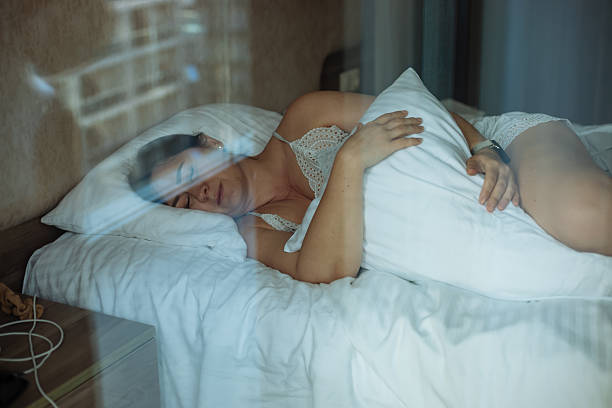
First, understand what percale actually is. It’s a type of weave, not a kind of cotton. The threads are woven in a simple one-over-one under pattern, which creates a smooth, matte finish that feels cool to the touch. Unlike sateen, which has a silky, lustrous surface but traps more heat due to its floating threads, percale’s tight basket-like structure allows air to flow freely through the fabric. That breathability is crucial for hot sleepers because it lets body heat escape and promotes evaporation of sweat. The result is a bed that feels fresh and dry, even on the most humid summer nights.
But not all cotton percale is created equal. The key lies in the fiber quality. Long-staple cotton, such as Egyptian or Pima, produces stronger, finer threads. When these are woven into a percale weave with a thread count of 200 to 400, you get a sheet that is both lightweight and durable. It doesn’t cling to your body like flannel or microfiber. Instead, it stays slightly cool against your skin, providing a gentle temperature drop that helps lower your core body temperature—a signal to your brain that it’s time to sleep.
Another advantage of percale is its moisture-wicking ability. Cotton naturally absorbs perspiration, pulling it away from your body and spreading it across the fabric’s surface. There, the moisture can evaporate quickly, especially with the airflow that the percale weave provides. This process keeps you from feeling sticky or clammy. Synthetic fabrics like polyester often repel moisture, leaving sweat pooled against your skin. Percale, on the other hand, works with your body’s natural cooling system, not against it.
Now, you might think that a crisp, hotel-like sheet would be stiff or uncomfortable. But that’s a common misconception. While new percale can feel a bit stiff, it softens beautifully after the first few washes. Unlike flannel, which becomes heavy and warm, percale retains its airy lightness. It’s the kind of fabric that invites you to press your cheek against it, and it never causes that unpleasant “hot spot” that you get with memory foam or thick cotton blends.
Of course, percale isn’t the only fabric for hot sleepers. Linen is another excellent option, offering even more breathability and a relaxed, casual look. But linen can be pricey and tends to wrinkle easily. Tencel, made from eucalyptus wood pulp, is also superb at moving heat away from the body. Yet percale is often more accessible, more affordable, and easier to care for. You can throw it in the washing machine on a gentle cycle and tumble dry on low without worrying about damage. It also gets better with age, becoming softer and more comfortable over time without losing its cooling edge.
For hot sleepers, the choice of sheets can mean the difference between a night of fitful rest and a deep, restorative sleep. Your body temperature naturally drops when you fall asleep, and your sleep environment should support that drop. Heavy blankets and heat-trapping fabrics work against you. By choosing cotton percale, you’re giving your body the help it needs to maintain a comfortable thermoregulation. You’ll wake up less often, feel more refreshed, and avoid that dreaded morning grogginess that comes from overheating.
A quick tip: when shopping for percale sheets, look for labels that say “100% long-staple cotton” and check the thread count. Keep it between 300 and 400 for the best balance of breathability and durability. Avoid high thread counts above 600, as they often use other weaves or add synthetic fibers to boost the number, which can defeat the purpose. Also, consider the weave itself—make sure it says percale or plain weave. Many brands now offer percale options that are specifically marketed for hot sleepers, but you don’t need to pay a premium. The fabric itself is the real hero.
In the end, great sleep starts with the right materials. Cotton percale isn’t flashy or modern, but it works. It’s a time-tested, proven choice for anyone who wakes up hot and cranky. So next time you’re tempted by that silky, glossy sheet, remember that simplicity often wins. Choose percale, and let the cool, crisp comfort carry you through the night.
Dream Blog
Real sleep talk for real people.


Recording Sleep Talking for Fun
The Sweaty Head and Polyester Problem