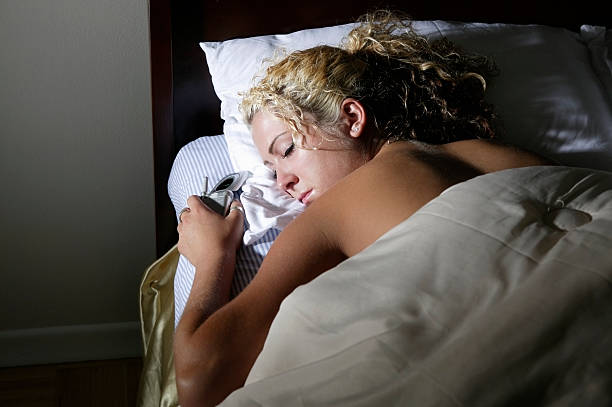
VR Hypnagogia Guidance Before Bed
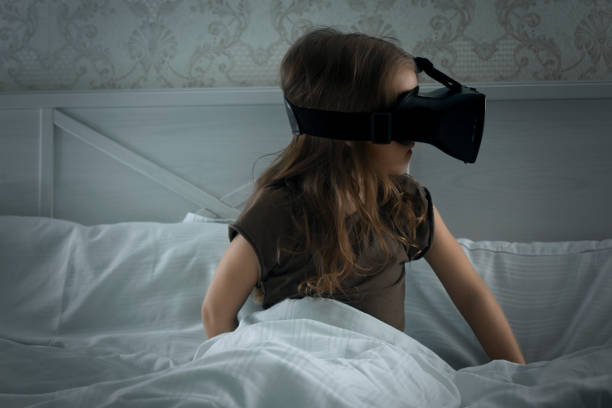
At SleepGoals, we believe that sleep is not a passive time-out from life, but an active, trainable process. The concept of hypnagogia—the transitional state between wakefulness and sleep—has been studied for decades. Artists, inventors, and thinkers like Thomas Edison and Salvador Dalí famously used it to spark creativity. But only recently has technology made it possible to guide this state intentionally, and virtual reality is at the forefront of that change. The future of sleep isn’t just about better mattresses or cooling sheets; it is about engineering the very content of our minds as we drift off.
VR hypnagogia guidance works by presenting the brain with stimuli that match the natural rhythms of falling asleep. As your eyes grow heavy and your heart rate slows, the headset adjusts its visuals and audio to become more abstract and less demanding. Unlike traditional sleep apps that simply play white noise or nature sounds, a VR hypnagogia system can create a three-dimensional environment that responds to your breathing and eye movement. This immersive experience helps quiet the default mode network in your brain—the chatter of work worries, to-do lists, and social anxieties. For many adults, that mental chatter is the primary cause of poor sleep. By providing a gentle, external focus that gradually fades, VR can effectively short-circuit the racing thoughts that keep you awake.
This technology is especially relevant for dream engineering and content creation, a subsection of sleep science that is rapidly growing. Imagine choosing a “dream theme” for the night—a peaceful forest, a memory of a beach vacation, or even a guided visualization for problem-solving. The hypnagogic state is highly suggestible, meaning that content designed for this phase can influence the tone and direction of your subsequent dreams. A well-crafted VR session can encourage lucid dreaming, reduce nightmare frequency, or simply ensure you wake up feeling more refreshed. Content creators are already experimenting with abstract fractal patterns, binaural beats tuned to theta brainwaves, and narratives that slowly dissolve into silence. The goal is not to entertain you, but to gently escort your mind into sleep without resistance.
Of course, the idea of wearing a headset to bed might sound counterintuitive to someone who values a dark, minimalist sleep environment. But the next generation of VR hardware is being designed specifically for comfort and brevity. Lightweight frames, breathable materials, and eye-tracking sensors allow the device to be worn for only the first fifteen to thirty minutes of your sleep cycle. Once you are deeply asleep, the headset can automatically power down and slide off or be removed easily. These devices are not meant to replace the physical comfort of a good pillow or the temperature regulation of cooling sheets; they are an additional tool in your sleep optimization toolkit, just like a sleep tracker or a weighted blanket.
For American adults struggling with the pressures of modern life, VR hypnagogia guidance offers a new kind of agency. Instead of lying in bed hoping for sleep to come, you can actively participate in the process. You can train your brain to recognize the hypnagogic state as a signal to let go. Over time, you may even find that you can access this state without the headset, simply by recalling the visual and auditory cues you practiced. That is the ultimate goal of sleep engineering: to give you skills that last beyond the technology.
As we look to the future, the line between sleep aid and content creation will blur. You might soon subscribe to a service that delivers personalized hypnagogic experiences, much like you subscribe to a streaming service for movies. These experiences will be tailored not just to your preferences, but to your real-time biometric data, ensuring you always have the right mix of stimulation and calm. The future of sleep is not about machines controlling your rest, but about you consciously designing the doorway to your dreams. And VR hypnagogia guidance is the key that unlocks that door, night after night.
Dream Blog
Real sleep talk for real people.


Rotating Your Mattress Without Handles

Prescription Options Beyond Ropinirole