The Surprising Benefit of a Warm Bath Before Bed for Better Sleep
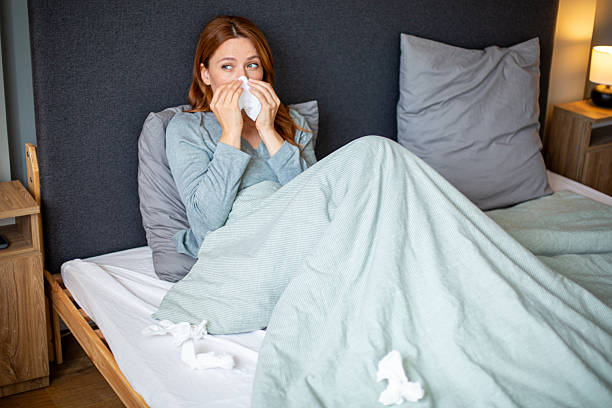
Your core body temperature follows a daily rhythm. It stays relatively high during the day, giving you energy and alertness, then begins to drop in the evening as bedtime approaches. That drop is a critical signal to your brain that it is time to sleep. The problem is that many of us fight this natural signal by keeping our bedrooms too warm, wearing heavy pajamas, or piling on thick blankets. A warm bath flips the script. When you immerse yourself in warm water, your blood vessels dilate, and heat moves from your core to your skin and extremities. Your body temperature rises temporarily, but the moment you step out of the tub, something remarkable happens. The heat rapidly dissipates from your skin, and your core temperature plunges below its baseline. That sudden drop is exactly what your brain needs to release melatonin and usher in sleep.
Research has confirmed this connection. A widely cited study from the University of Texas at Austin looked at dozens of experiments and found that a warm bath or shower one to two hours before bedtime significantly shortened the time it took participants to fall asleep. The optimal water temperature was around 104 to 109 degrees Fahrenheit, which feels hot but not scalding. People who soaked for about ten minutes reported falling asleep an average of ten minutes faster than those who did not. Even more impressive, they also experienced more slow-wave sleep, the deep, restorative stage that helps you feel refreshed in the morning.
Timing matters more than you might think. If you take a bath and then immediately jump into bed, your core temperature is still on its way down, and you might feel hot and restless. Give your body twenty to thirty minutes after the bath to complete the cooling process. During that window, your bedroom should be on the cooler side, ideally between 65 and 68 degrees Fahrenheit. This creates a gentle thermal gradient that helps your body shed excess heat. Keep your bedroom dark and quiet, and avoid screens during this cooldown period. The combination of a falling core temperature and a dark, cool environment is a one-two punch for drowsiness.
For many people, the warm bath works even better than a sleeping pill because it addresses the root cause of delayed sleep onset. Modern life is full of artificial heat sources, late-night exercise, heavy evening meals, and stress, all of which keep your core temperature elevated when it should be dropping. A warm bath is a simple countermeasure that directly reverses those effects. It also helps calm your nervous system by lowering heart rate and blood pressure, which further primes you for sleep.
If a full bath feels impractical, a warm shower works nearly as well. The key is to keep the water warm enough to raise your internal temperature, but not so hot that you end up sweating. You want steam to be present, but you should never feel uncomfortable. Some people like to add a few drops of lavender essential oil to enhance the relaxation effect, though the temperature alone does the heavy lifting.
It is worth noting that the warm bath trick is not just for people who have trouble falling asleep. Even if you drift off easily, this routine can improve sleep quality, which means spending more time in the deep and REM stages that restore your brain and body. Over time, that translates into better mood, sharper focus, and a stronger immune system. Consistency is key. Try making a warm bath a nightly habit, especially during colder months when you might be tempted to turn up the thermostat. Resist that urge. Keep the room cool, take a warm soak, and let your body’s natural temperature plunge do its work.
In a world filled with expensive gadgets, fancy supplements, and complex routines, the humble warm bath stands out as a remarkably effective and affordable sleep aid. It uses your own physiology in a clever way, turning a simple act of hygiene into a scientifically backed ritual. So tonight, before you dim the lights and pull up the blankets, consider running that warm water. Your body knows exactly what to do next. All you need to do is let the heat work its magic and drift off to a deeper, more restful night of sleep.
Dream Blog
Real sleep talk for real people.

Targeted Dream Incubation for Skills
Bamboo Lyocell Naturally Cooling Fibers