The Future of Smart Tattoo Monitors
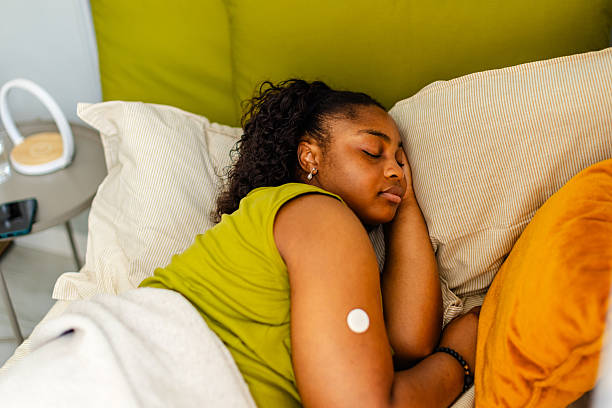
For years, the wearable tracker market has been dominated by smartwatches and fitness bands. They do a decent job, but they have limits. Many people find them uncomfortable to wear all night. The battery needs to be charged. The sensors can lose contact with your skin if you toss and turn. Smart tattoo monitors solve all of these problems at once. These are thin, flexible patches that adhere directly to your skin like a temporary tattoo. They contain microscopic sensors that measure heart rate, respiration, body temperature, and even blood oxygen levels with far greater accuracy than a wrist-based device.
The key technology behind smart tattoo monitors is called epidermal electronics. These circuits are so thin and flexible that they can bend and stretch with your skin without breaking. They are powered by tiny biofuel cells that actually generate electricity from the lactic acid and glucose naturally present in your sweat. That means no batteries to charge. No cords. No reminders to plug in before bed. You simply wear the tattoo for a week or two, and it runs itself.
When it comes to monitoring sleep, smart tattoos offer a massive advantage over traditional wearables. Because they are in direct contact with your skin at all times, they can capture data that wrist-based devices miss. For example, a smart tattoo can detect subtle changes in your skin temperature that signal the onset of REM sleep. It can measure your heart rate variability with clinical precision, giving you a detailed picture of how well your autonomic nervous system is recovering during the night. It can even detect the tiny muscle twitches in your forearm that indicate you are entering deep sleep.
For the SleepGoals audience, this means finally getting answers to common questions like “Am I getting enough deep sleep?“ or “Why do I wake up feeling tired after eight hours?“ A smart tattoo monitor can track your sleep stages with accuracy that rivals a sleep lab, all from the comfort of your own bed. It can tell you if your room temperature is disrupting your rest, if your evening snack is affecting your heart rate, or if your partner’s snoring is fragmenting your sleep architecture. And because the tattoo is so unobtrusive, you will not forget to put it on. You will not accidentally knock it off during the night. You will just sleep normally, and the data will come to you.
There are, of course, challenges ahead. The current smart tattoo prototypes still rely on a small transmitter that you place on your nightstand to relay data to your phone. Some people may be concerned about adhesive allergies or skin irritation. And the technology is still expensive, with early versions costing several hundred dollars for a single tattoo that lasts only a couple of weeks. But researchers at universities like Northwestern and the University of California are already developing longer-lasting versions that can stay on for a month or more, and costs are expected to drop dramatically as manufacturing scales up.
The bigger question for American adults is whether smart tattoos will replace traditional wearables entirely, or just become another option in the growing ecosystem of sleep tools. At SleepGoals, we believe that the future is not about a single device winning the face-off. It is about having choices that match your lifestyle. Some people will always prefer the convenience of a smartwatch that also tells time and tracks their workouts. Others will want the precision of a ring that they can easily take on and off. But for anyone who has ever struggled with wearing a bulkier device to bed, or who wants the most accurate sleep data possible without feeling like they are in a science experiment, the smart tattoo monitor is the answer.
The next time you shop for a wearable tracker under our Wearable Trackers Face-Off section, keep an eye out for these tattoo-style monitors. They represent a shift toward sleep monitoring that is seamless, comfortable, and deeply personal. No more charging woes. No more straps that slip. Just your skin, your sleep, and the data you need to wake up feeling truly rested. That is the future, and it is arriving sooner than you think.
Dream Blog
Real sleep talk for real people.

Decoding Your Brain Waves: How EEG Headbands Personalize Sleep