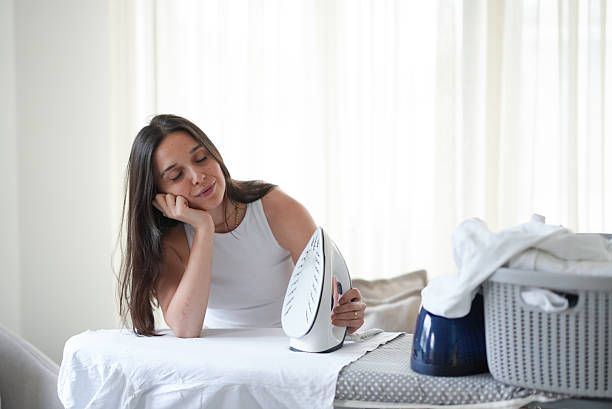
Subjective Feeling Versus Objective Data Mismatch
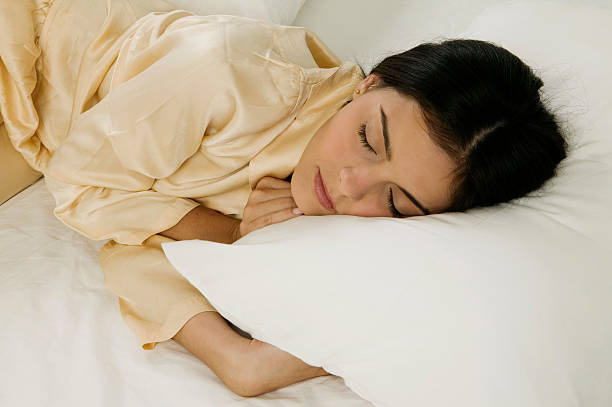
This mismatch between subjective feeling and objective data is one of the most frustrating experiences for anyone trying to improve their sleep. You might have the fanciest wearable on the market, the most expensive mattress, and a perfectly cool room, yet still wake up feeling like you barely rested. This is where the humble sleep diary steps in as your most valuable tool. At SleepGoals, we believe that monitoring sleep isn’t just about numbers on a screen, it’s about understanding the story behind those numbers.
Objective sleep trackers are remarkable pieces of technology. They measure movement, heart rate variability, and even blood oxygen levels. They can tell you when you entered REM sleep and how long you spent in light sleep. But here is the uncomfortable truth: these devices are estimating your sleep stages, not measuring them directly like a hospital sleep study would. More importantly, they cannot measure how you feel. A wearable cannot know that you spent the night worrying about a presentation, or that your sinuses were stuffy, or that your partner’s snoring kept you on the edge of consciousness even though the tracker recorded you as “asleep.” The data says you slept. You say you didn’t. Who is right? The answer is that both perspectives matter, but your subjective feeling is the one that dictates your day.
This is precisely why the sleep diary has risen in popularity among sleep experts and everyday Americans alike. A sleep diary is simply a daily record of how you felt before bed, how long you think it took to fall asleep, how many times you woke up, and how rested you feel in the morning. It is not trying to replace your wearable. Instead, it provides the human context that technology cannot capture. You might discover that on nights you exercise, your objective deep sleep numbers are excellent, but you still feel groggy. The diary might reveal that on those nights you also ate a heavy meal late, which your wearable cannot track without manual input. Suddenly, the mismatch makes sense.
To use a sleep diary effectively, keep it simple. Every morning, before you check your sleep score, write down three things: the time you woke up, a number from one to ten for how rested you feel, and any notable factors from the previous day (stress, caffeine after 2 PM, alcohol, a late workout, a fight with your spouse). Do the same at bedtime, noting how tired you felt and your mood. After a week, compare your diary entries with your wearable data. You will likely spot patterns that explain the subjective feeling versus objective data mismatch. Perhaps your device says you slept deeply, but your diary shows you felt anxious. That disconnect is a clue. It might mean your anxiety is causing light arousals that the tracker misses, or it could indicate that your sleep quality is fine, but your mental state needs attention.
This approach is especially valuable for American adults who are busy, stressed, and prone to chasing perfect sleep scores. The goal is not to make your data look perfect, it is to align your data with how you actually feel. If your wearable says you got eight hours but you feel terrible, do not ignore that feeling. Ignoring it leads you to believe there is something wrong with you when really, there is something your tracker is missing. The sleep diary bridges that gap by forcing you to listen to your own body instead of outsourcing your trust to a piece of plastic on your wrist.
At the end of the day, the best sleep monitoring system is a combination of objective data and honest subjective reporting. Your wearable is a useful tool, but it is not your doctor, your therapist, or your body. The rise of the sleep diary reflects a growing wisdom among sleep enthusiasts: you cannot optimize what you do not understand. When you combine cold hard numbers with the warm truth of how you feel, you stop chasing an arbitrary score and start chasing real rest. That is the whole point of SleepGoals. Sleep better by knowing yourself better, not by perfecting a metric.
Dream Blog
Real sleep talk for real people.


Why a Cool Mattress Could Be the Difference Between Restful and Restless Nights

The Science of Phase Change Materials in Cooling Pillows