Social Jetlag Is a Modern Epidemic
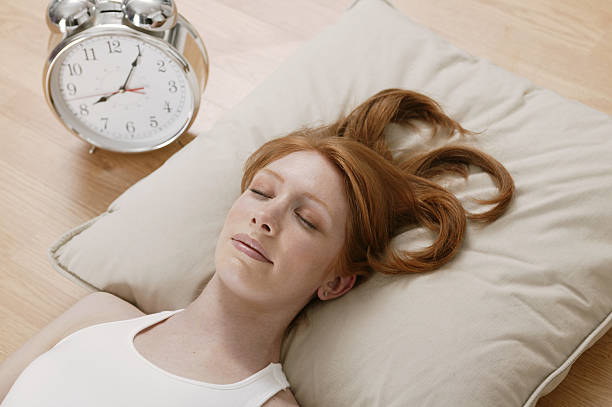
The concept of social jetlag was popularized by sleep researchers who noticed that most people suffer from a mismatch between their biological sleep preference and their social obligations. Your body wants to go to bed and wake up at roughly the same time every day based on your internal clock. But modern life pushes you to ignore those signals. Work starts early, social events run late, and weekends become a free-for-all. The average American shifts their sleep schedule by two to three hours between weekdays and weekends, according to studies published in sleep medicine journals. That might not sound like much, but for your brain, it is a major disruption. Your circadian rhythm does not reset instantly. It takes days to adjust. By the time you finally get back on track, it is Friday again, and the cycle repeats.
The consequences extend far beyond feeling tired. Chronic social jetlag is linked to higher rates of obesity, diabetes, heart disease, and depression. When your sleep timing is erratic, your metabolism suffers. Your body releases cortisol at the wrong times, your appetite hormones go haywire, and you crave sugary, high-calorie foods. Your immune system weakens, making you more vulnerable to colds and infections. Even your cognitive performance declines. Memory consolidation, problem-solving, and emotional regulation all depend on consistent sleep patterns. You are literally less smart and less resilient when your schedule jumps around.
So how do you fix this without becoming a hermit? The answer lies in the power of consistent schedules. This is not about becoming rigid or boring. It is about respecting your biology. The single most effective change you can make is to keep your wake-up time consistent seven days a week, even on weekends. That means if you wake at 6:30 a.m. on workdays, you wake at 6:30 a.m. on Saturdays and Sundays too. Yes, it hurts at first. You will miss sleeping in. But within two weeks, your body adjusts, and the payoff is enormous. You will fall asleep faster at night, wake up without an alarm, and feel steady energy throughout the day. You will no longer need three cups of coffee just to function on Monday morning.
Bedtime can vary a little, but try to keep it within an hour of your usual time. If you go to bed at 11 p.m. on weeknights, do not push it past midnight on weekends. Your body can handle small shifts. It cannot handle the five-hour swings that social jetlag creates. And if you absolutely must stay up late for a special event, do not panic. Just get up at your regular time the next morning. You may feel tired that day, but you will reset much faster than if you sleep until noon and restart the cycle.
Another powerful strategy is to expose yourself to bright light as soon as you wake up. Sunlight is the strongest cue for your circadian clock. Open your curtains, step outside for a few minutes, or use a light therapy lamp. This tells your brain that morning has begun, helping you feel alert and aligning your internal clock with the real world. At night, dim the lights an hour before bed and avoid screens. Blue light from phones and laptops delays melatonin production and makes it harder to wind down.
The truth is, most people underestimate how much consistent scheduling matters. They think sleep quality is about mattresses, pillows, or cooling sheets. Those things help, but they cannot fix a broken schedule. You could spend two thousand dollars on the most luxurious bed in America, and social jetlag would still wreck your sleep. The foundation of good rest is rhythm. Your brain craves predictability. When you give it that, everything else falls into place.
If you are tired of fighting the Monday morning battle, start with your wake-up time. Make it non-negotiable. Your social life, your job, and your health will all benefit. Social jetlag is an epidemic, but it is one you can beat with a simple commitment to consistency. Your body knows what it needs. All you have to do is listen.
Dream Blog
Real sleep talk for real people.


Low-Dose 0.3mg Versus 10mg Supplements

Stomach Sleepers Need a Brick