Seizure Activity During the Night
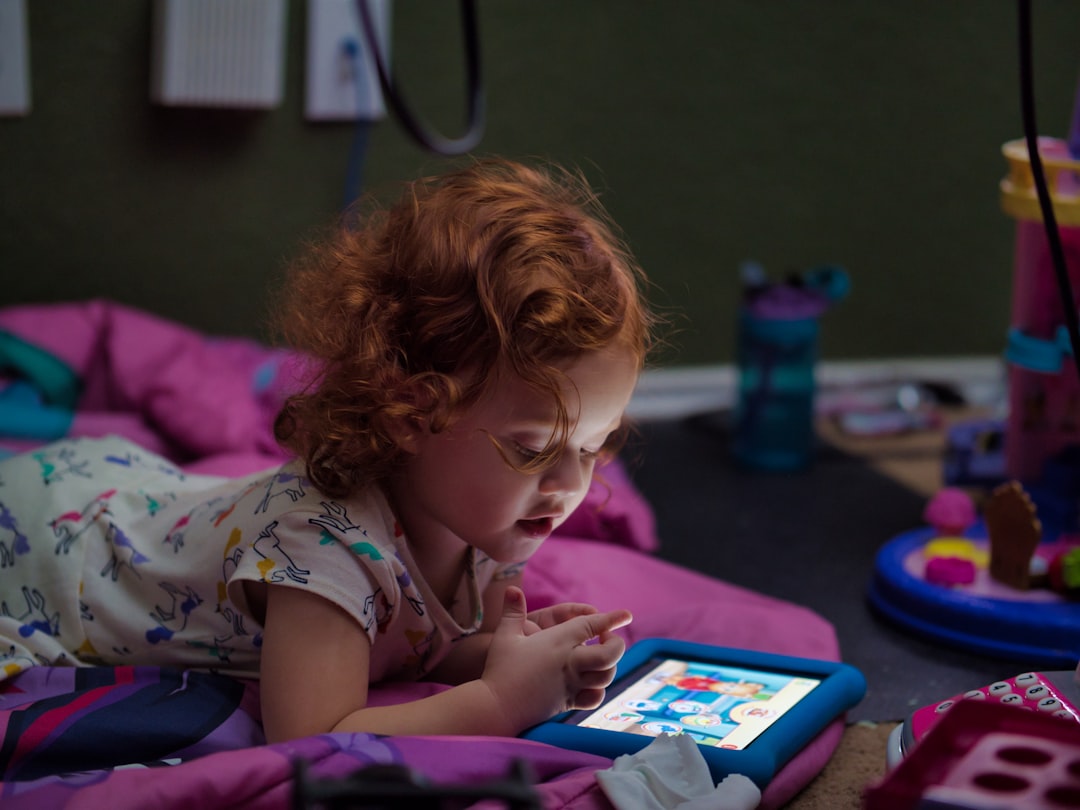
First, let’s talk about why monitoring nighttime seizure activity matters. When you’re asleep, your brain cycles through different stages, including deep sleep and REM sleep. Seizures that occur at night can interfere with these cycles, leaving you feeling exhausted even after a full night in bed. They can also be dangerous if they cause breathing difficulties, injuries from falling out of bed, or prolonged episodes that require medical attention. The tricky part is that many nighttime seizures are subtle—maybe a brief twitch, a change in breathing, or a few moments of confusion that you don’t remember in the morning. Without monitoring, these events can go undetected for weeks or months, making it harder to adjust treatment or prevent harm.
So, how do you monitor for seizure activity at home? The tools range from simple to high-tech, and the right choice depends on your specific needs. Start with a seizure diary. This sounds basic, but it’s powerful. Every morning, write down how you felt overnight: any unusual movements, wetting the bed, waking up confused, or unexplained injuries like a bitten tongue or sore muscles. If you share a bed, ask your partner to note anything they observed—unusual sounds, rhythmic jerking, or stiffening. A consistent diary helps you and your doctor spot patterns, such as whether seizures happen at a certain time of night or after specific triggers like missed medication or alcohol.
Next, consider wearable devices. Many modern sleep trackers and smartwatches include accelerometers that can detect abnormal movements. Some are designed specifically for seizure detection. For example, devices like the Empatica Embrace or the Apple Watch have algorithms that recognize rhythmic, convulsive activity and can alert a caregiver or emergency contact. These wearables are not perfect—they may miss certain types of seizures or generate false alarms—but they provide an extra layer of reassurance, especially for people who live alone. Just remember to talk to your neurologist before relying on any device for medical decision-making.
Another useful tool is a video monitor. A simple night-vision camera placed near the bed can capture movements and sounds without being intrusive. You can review the footage each morning, or set it to record only when motion is detected. This method is excellent for detecting subtle seizures that don’t trigger wearable alarms. It also helps you see what actually happens during an episode—something your doctor needs to know. For example, if you wake up with a headache and confusion but no memory of a seizure, the video might show a brief, non-convulsive event that you would have otherwise missed.
Now, let’s talk about the bigger picture: while home monitoring is valuable, there are times when professional help is essential. That’s where a lab sleep study comes in. If you have unexplained nighttime symptoms, if your seizures seem to be getting worse or changing in character, or if you’re having trouble finding the right medication or dosage, your doctor may recommend an overnight polysomnogram in a sleep lab. This test measures brain waves, eye movements, heart rate, breathing, and muscle activity. For someone with suspected nocturnal epilepsy, the lab can pinpoint exactly when and where the seizure activity starts in the brain, which is information no home device can provide.
The SleepGoals website has a dedicated subsection called “When to Get a Lab Sleep Study,” and here’s the straightforward advice: if you’ve tried home monitoring for a few weeks and still see concerning patterns, or if a loved one has witnessed a prolonged or dangerous episode, don’t wait. A lab study is the gold standard for diagnosing sleep-related seizure disorders. It can also rule out other issues that mimic seizures, like sleep apnea or parasomnias. Remember, your goal is not just to track seizures but to reduce their impact on your life.
In the end, monitoring seizure activity during the night is about empowerment. The more you understand what’s happening while you sleep, the better you can work with your healthcare team to find effective treatments. Start with simple logs and wearables, but don’t hesitate to step up to a lab study when things feel uncertain. Your sleep—and your safety—are worth it.
Dream Blog
Real sleep talk for real people.


Hydrophilic Versus Hydrophobic Fibers

Yellow Stains The Sweat Drool Reality