Sateen Cotton The Trap or Release
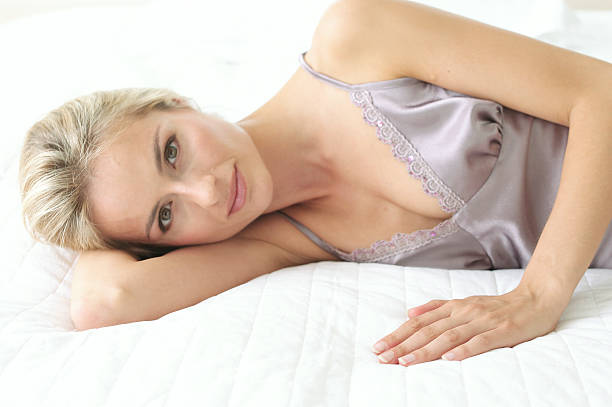
First, a quick refresher on what sateen actually is. Sateen is a weave, not a type of cotton fiber. Cotton fibers themselves—whether Egyptian, Pima, or Upland—can be woven into different structures. The most common are percale (a crisp, one-over-one-under weave) and sateen (a three-over-one-under weave). That extra surface thread gives sateen its signature silky feel, a subtle luster, and a denser, heavier fabric. In that way, sateen feels soft and expensive. It drapes beautifully and resists wrinkles better than percale. On paper, it sounds like a win.
But here is where the trap snaps shut for hot sleepers. Because sateen has more threads on the surface, it traps more body heat and moisture against your skin. The weave is tighter, which reduces airflow through the fabric. Instead of breathability, you get insulation. For someone who runs warm at night or lives in a humid climate, this can mean waking up sweaty, tossing and turning, and feeling frustrated with sheets that felt fine in the store. Many people buy sateen cotton because of the word “cotton” itself, assuming all cotton sheets are naturally cooling. But the weave matters just as much as the material. Sateen’s silky hand feel can literally hug you too warmly.
Now, does that mean sateen is always a bad choice? Not at all. If you sleep cold, if you live in a dry or cool climate, or if you simply prioritize the feel of smooth luxury over temperature regulation, sateen can be a wonderful option. But for the audience of this article—American adults who struggle to stay cool at night and are searching under our “Best Fabrics for Hot Sleepers” section—sateen is more often a release of money than a release of heat.
So what should you look for instead? For true cooling sheets, the release comes from materials and weaves designed for breathability. Percale cotton is your best bet within the cotton family. Its plain, one-over-one weave creates tiny air pockets that allow heat to escape. It feels crisp, light, and gets softer with each wash without becoming dense. Linen is another phenomenal choice. Though it wrinkles (and some people find that charming), linen fibers are hollow, which naturally wicks moisture away and dries quickly. It is the gold standard for hot sleepers who want natural fibers.
Beyond natural options, there are high-tech cooling sheets made from blends of rayon from bamboo, Tencel lyocell, or microfiber with cooling finishes. Tencel, in particular, is derived from eucalyptus wood pulp and processed in a closed-loop system that uses less water than cotton. It feels smooth like sateen but breathes far better. It also resists bacteria and odor. For American adults who need a release from nighttime heat but still want a soft, modern feel, Tencel sheets are a smart middle ground.
Another common mistake is assuming that a higher thread count means better cooling. That is almost always false. Thread counts above 600 in cotton too often involve multi-ply yarns or chemical treatments to artificially boost the number. These dense fabrics trap heat regardless of whether they are labeled percale or sateen. For cooling sheets, aim for a thread count between 200 and 400 in percale or linen, and ignore thread count entirely for bamboo or Tencel, where the structure matters more than the number.
At SleepGoals, we understand that choosing bedding can feel overwhelming. You want sheets that feel nice, look good, and help you actually sleep through the night without flipping your pillow to the cool side. The trap of sateen is that it promises all three—and delivers on the first two. But for hot sleepers, the release comes from fabrics that prioritize airflow and moisture management over smoothness and shine.
Before you buy your next set, take a moment to physically touch the sheet. Hold it up to the light. Can you see tiny gaps between the threads? That is the sign of a breathable weave. If the fabric is dense, opaque, and slick, you are likely holding a sateen sheet that will turn your bed into a warm envelope. If you want release, reach for percale, linen, or Tencel instead. Your body—and your sleep score—will thank you.
Dream Blog
Real sleep talk for real people.


Airflow Channels Cut Into The Core
The Golden Hour of Deep Sleep