Recognizing the Warning Signs That You Need a Lab Sleep Study
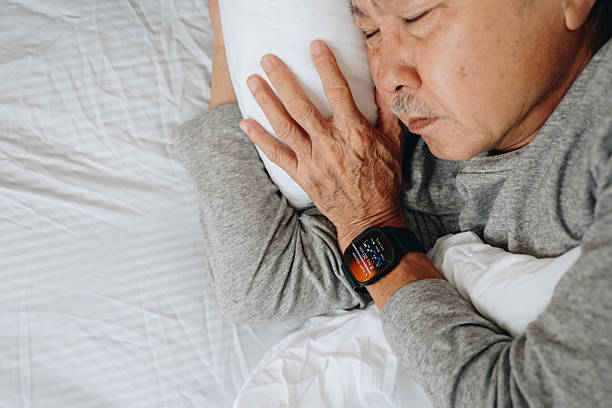
So when exactly should you push for a referral? The most obvious red flag is loud, persistent snoring that sounds like a freight train, especially if you also choke, gasp, or stop breathing during the night. Many people think snoring is just a harmless nuisance, but it can be a sign of obstructive sleep apnea. That’s a condition where your airway collapses, cutting off oxygen for ten seconds or more, sometimes dozens of times an hour. Your brain then jolts you awake just enough to restart breathing, but you never reach the deep, restorative stages of sleep. If your partner has ever nudged you and said, “Hey, you stopped breathing,” that’s a golden ticket to a sleep study. Don’t ignore it.
Another major clue is excessive daytime sleepiness that doesn’t improve with extra sleep. We all have groggy days, but if you regularly doze off while driving, during meetings, or while reading a book, your body is sending an SOS. Fatigue can also show up as brain fog, memory lapses, irritability, or a sudden drop in work performance. You might chalk it up to stress or aging, but chronic sleepiness is not normal. A lab study can reveal whether you have sleep apnea, narcolepsy, or periodic limb movement disorder—all of which can fragment your sleep without you even realizing it.
Then there are the less obvious signs. Do you wake up with a headache or a dry mouth every morning? That can happen when you’ve been breathing through your mouth all night due to airway obstruction. Do you get up to pee more than twice a night? Your sleep-disordered breathing might be disrupting your hormones and making your bladder think it’s time to go. Do you grind your teeth? Another potential marker. And let’s not forget the morning acid reflux or the chest pain that makes you certain you’re having a heart attack, except it only happens in bed. All of these can be linked to undiagnosed sleep issues that a lab study can catch.
Now, you might wonder why you can’t just use one of those home testing kits. For many people, home tests are a great first step. They’re convenient, cheaper, and can certainly detect moderate to severe apnea. But they miss a lot. Home tests don’t measure brain waves, so they can’t tell how long you spend in each sleep stage. They can’t detect seizures, abnormal movements, or REM sleep behavior disorder. They also can’t identify narcolepsy or chronic insomnia patterns. That’s where a full lab polysomnogram comes in. In a lab, technicians can monitor your brain activity, eye movements, heart rhythm, leg movements, breathing effort, airflow, and oxygen levels all at once. You get a complete picture, not just a snapshot.
Another reason to choose an in-lab study is if you have other health conditions like heart disease, COPD, or a history of stroke. For those folks, the precision matters. Also, if your home test comes back negative but your symptoms remain severe, a lab study can dig deeper. Sometimes the problem is sleeping on your back, or it’s only present during REM sleep, which a home device might not capture.
So how do you actually get a lab sleep study? You start by talking to your primary care doctor. Be specific about your symptoms. Say, “I snore loudly and my wife says I stop breathing,” or “I fall asleep at my desk every afternoon.” Bring a sleep diary if you can. Your doctor will likely refer you to a sleep specialist. That specialist will review your history and decide if a night in the lab is warranted. Many insurances cover the test if a doctor orders it, especially if you have risk factors like high blood pressure, obesity, or diabetes. Don’t be embarrassed. Millions of Americans go through this every year. They’re not judging you; they want to help.
Finally, don’t let the fear of wires and unfamiliar beds keep you away. The room is designed to feel like a hotel—dim lights, soft sheets, a TV. The technicians attach sensors to your scalp, face, chest, and legs with gentle adhesive. They watch you through a camera from another room, but you’re never alone. You sleep, they track, and by morning you’re unhooked and sent home. Within a week or two, you get a report explaining exactly what your brain and body were doing all night. That report could be the key to finally feeling rested again. You deserve that. If your sleep has been a struggle for months, don’t wait until you fall asleep at a stoplight. Talk to your doctor. A lab sleep study might just be the most restful night you’ve had in years.
Dream Blog
Real sleep talk for real people.

Why Cotton Percale Is the Ultimate Fabric for Hot Sleepers

The Cortisol Belly and Sleepless Nights