Radar Bedside Monitors: Sleep Tracking Without Wearing a Thing
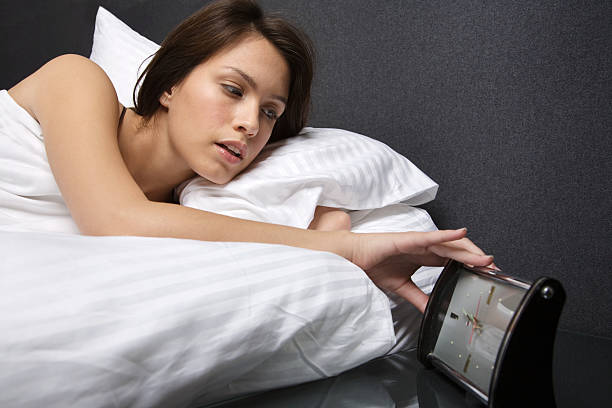
So how does a radar monitor actually work? It sends out low-power radio waves that bounce off your body as you lie in bed. These waves come back to the device, and the monitor measures tiny changes in their frequency and return time. Those changes reveal whether you are breathing, moving, shifting positions, or lying perfectly still. The algorithms then interpret that data to estimate your sleep stages, like light sleep, deep sleep, and REM sleep. Unlike cameras, radar does not capture any images or personal visual information. It is simply measuring motion and breathing patterns through the air. That is why many people find it more private than other monitoring methods, especially if you are uneasy about having a camera pointed at your bed.
One of the biggest selling points of radar bedside monitors is the convenience factor. You never worry about charging a wearable or remembering to put it on before bed. You just plug in the device, place it a few feet from your mattress, and let it do its job. For couples, some advanced models can distinguish between two people sharing a bed, giving each person their own separate sleep report. That is a nice feature, though you should check the specifics before buying because not all models support dual-person tracking. Also, because the monitor is not touching your skin, you avoid any irritation or discomfort from straps and sensors. You also do not have to deal with the awkward marks that some wearables leave on your wrist in the morning.
Another advantage is the ability to track sleep without switching your sleep routine. Many people find that wearing a device makes them feel like they are in a sleep laboratory, which actually keeps them awake. A bedside radar monitor blends into the room and lets you fall asleep naturally. You can read, watch TV, or relax without any encumbrance. Then, in the morning, a quick glance at your phone app gives you a clear picture of how well you rested, including your time in each sleep stage, your breathing rate, and any times you woke up during the night.
Of course, bedside radar monitors are not perfect. They generally do not detect micro-movements as precisely as medical-grade devices like EEG headsets, but for everyday sleep tracking, they are more than accurate enough. The main limitation is that they require you to stay in range of the device. If you toss around and roll to the far edge of a massive king bed, the signal might weaken. Most monitors handle this well, but you want to position the device so it has a clear line of sight to your chest and torso. Another thing to consider is that radar can sometimes mistake a restless partner or a pet jumping on the bed for your own movements, depending on the model.
Privacy is a big concern for many American adults, and radar monitors handle that nicely because they do not record audio or video. The data gets processed locally on the device or in the app, and you control what gets shared. Still, you should read the company’s privacy policy to see if they sell or share your sleep data. Shop for a brand that offers end-to-end encryption and lets you delete your history whenever you like.
If you are thinking about trying one, look for a model that supports the specific bed size you have, has an easy-to-use app, and offers real sleep staging rather than just movement detection. Some cheaper devices only tell you whether you were moving or still, which is not the same as understanding your sleep architecture. A good radar monitor costs anywhere from one hundred to three hundred dollars, and it can last for years without needing any replacements. That makes it a solid investment for anyone who wants to improve their sleep without adding extra steps to their bedtime routine.
In the end, radar bedside monitors represent a gentle shift in how we approach sleep tracking. They respect your body and your privacy while giving you honest feedback about what happens between lights out and morning. If you have been curious about your sleep patterns but hate gadgets on your body, this might be the option that finally makes sleep monitoring feel effortless.
Dream Blog
Real sleep talk for real people.


The Bed That Learns You: Inside AI-Powered Dynamic Bed Surfaces

Vocabulary Retention Increases 20 Percent Overnight