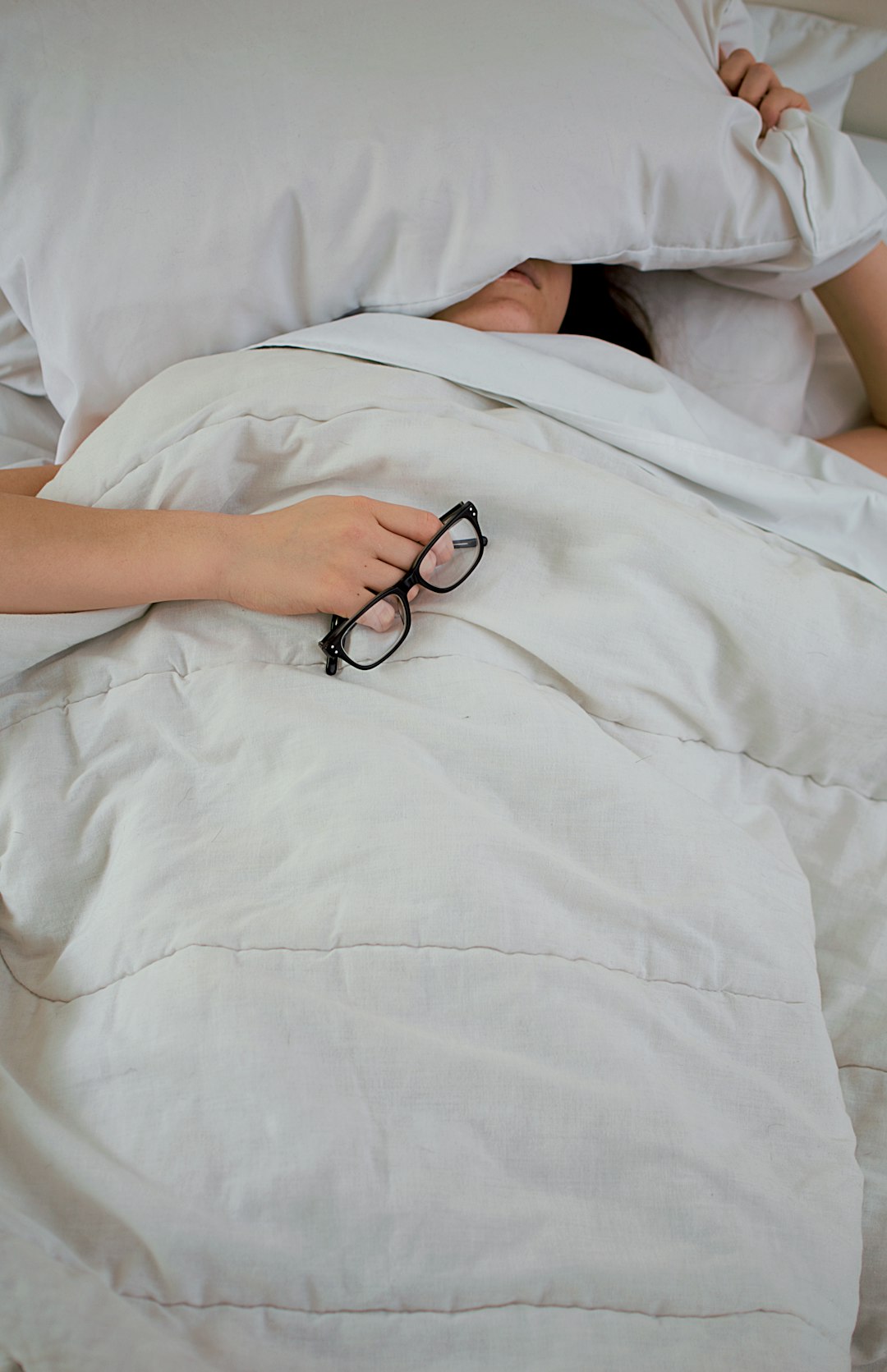
Choosing Allergen-Proof Pillows for Better Sleep

First, let’s clear up what these terms actually mean. An allergen-proof pillow is designed with a physical barrier that prevents allergens from getting inside the pillow itself. Think of it as a fortress with a zipper. These pillows often use tightly woven fabrics or special coatings that block dust mites and their droppings from penetrating deep into the filling. A hypoallergenic pillow, on the other hand, is made from materials that are less likely to trigger allergic reactions in the first place. This includes natural materials like latex or certain synthetic fibers that don’t attract common allergens. The distinction matters because a pillow can be hypoallergenic without being completely allergen-proof, and vice versa. For the best results, you want both features working together.
So what are the best materials to look for? Memory foam is a popular choice because its dense structure leaves little room for dust mites to nest. The same goes for latex pillows, which are naturally resistant to mold, mildew, and dust mites. Latex also has the bonus of being breathable and supportive, making it a favorite among side sleepers and back sleepers alike. Polyester fiberfill pillows are common and affordable, but they tend to trap allergens more easily unless they come with a protective cover. Down and feather pillows, while luxurious, can be problematic for allergy sufferers because they provide an ideal environment for dust mites. If you love the feel of down, look for down alternative pillows made from synthetic materials that mimic the softness without the allergen risk.
Another critical factor is the cover. Even if your pillow has a hypoallergenic filling, the outer fabric needs to be tightly woven enough to keep allergens out. Look for terms like “allergen barrier” or “dust mite proof” on the packaging. Many high-quality allergen-proof pillows come with a removable, washable cover. This is a game-changer because you can toss the cover in the washing machine every couple of weeks. Hot water, above 130 degrees Fahrenheit, kills dust mites, so be sure to check the care instructions. Some covers are also made with special membrane layers that create a physical barrier, but they should still allow air to flow so you don’t wake up sweating.
What about certifications? In the United States, you’ll often see labels like CertiPUR-US, which ensures the foam is free of harmful chemicals and meets certain emissions standards. Another helpful certification is Oeko-Tex Standard 100, which tests for harmful substances in textiles. These certifications aren’t specifically about allergens, but they give you confidence that the materials are safe and clean. For true allergen protection, look for products that explicitly advertise being dust mite proof or hypoallergenic. Reputable brands will provide clear information about how their pillows are tested.
Of course, no pillow is a permanent shield. Over time, even the best allergen-proof pillow can accumulate dead skin cells, sweat, and other debris. That’s why regular maintenance is nonnegotiable. Wash your pillow according to the manufacturer’s instructions—many memory foam and latex pillows cannot be washed, but they can be spot cleaned and aired out in the sun. A protective pillow encasement adds an extra layer of defense, and it’s a smart investment if you suffer from severe allergies. Do not forget to replace your pillow every one to two years, regardless of how clean it seems. Worn-out pillows lose their support and can harbor allergens you cannot see.
Switching to an allergen-proof or hypoallergenic pillow is one of the simplest ways to improve your sleep environment. You might not notice the difference overnight, but within a week, you could find yourself breathing easier, waking up fewer times, and feeling more rested in the morning. Your bedroom should be a sanctuary, not a source of congestion and itchy eyes. By choosing the right pillow, you’re not just buying a piece of bedding—you’re investing in your long-term health and well-being. So go ahead, give that dusty old pillow a goodbye. Your nose, your lungs, and your sleep quality will thank you.
Dream Blog
Real sleep talk for real people.

Why Hot Baths Trigger Deep Sleep