Lumps, Flattening, and Smells: Why Your Pillow Is Telling You It’s Time for a New One
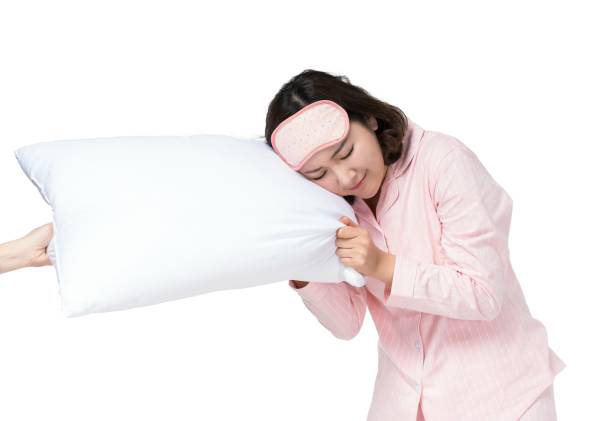
Let’s start with the most obvious sign that your pillow has seen better days: lumps and clumps. When you fluff your pillow and it still feels like a bag of potatoes, that’s a clear red flag. Over time, the filling inside breaks down and shifts. For down and feather pillows, the feathers start losing their resilience. For polyester fiberfill, the fibers compress and clump together. Memory foam pillows can develop permanent indentations where your head rests, until you’re essentially sleeping in a crater. These defects matter because a pillow that can’t maintain a uniform surface means your head and neck are no longer aligned with your spine. That misalignment forces your muscles to work overtime during the night, leading to that dreaded morning stiffness.
Flattening is another warning sign. A healthy pillow should bounce back after you press down on it. Take a simple test: fold your pillow in half and squeeze the air out. Release it. If it doesn’t spring back to its original shape, it’s exhausted. A flat, lifeless pillow offers almost no support, so your head sinks down too far, bending your neck at an awkward angle. This can also contribute to snoring and even sleep apnea in some cases. If you find yourself stacking two pillows to get the height you used to get from one, stop and replace the old one.
But support isn’t the only issue. There’s the hygiene side, which is frankly a little gross. Your pillow absorbs a lot every night. You shed about a gram of dead skin cells each day, and a good portion ends up in your pillowcase and pillow. Add to that an average of a pint of sweat lost overnight, plus saliva, oils, and styling products from your hair. This creates a perfect breeding ground for dust mites, which thrive in warm, humid environments. Dust mite droppings are a major trigger for allergies and asthma, and they can cause congestion, itchy eyes, and restless sleep even if you don’t think you’re allergic. That musty smell you sometimes notice when you get close to your pillow? That’s not in your imagination. It’s the odor of microbial growth, and it’s a powerful sign that your pillow needs to go.
Now, can you extend the life of your pillow? Absolutely, with proper care. Use a zippered pillow protector under your pillowcase. This simple barrier blocks sweat and oils from soaking into the pillow itself, and you can wash the protector every week. Wash your pillow, if the label allows, every three to six months. For polyester and down, a gentle cycle with warm water and a mild detergent works well. Memory foam should never go in the washer; spot-clean it instead. Fluff your pillow daily to redistribute the filling, and give it some fresh air and direct sunlight now and then, since UV rays kill dust mites. These habits can add many months to a pillow’s useful life.
But even with the best care, every pillow has an expiration date. The general rule for most synthetic and down pillows is to replace them every one to two years. If you have a high-quality latex or memory foam pillow, you might get three years. But the date doesn’t matter as much as how the pillow actually feels and smells. A good benchmark is to replace your pillow when it no longer provides the supportive, springy feel that it had when you first brought it home. Also, if you’ve been sick with a cold or flu, consider replacing your pillow, since viruses and bacteria can linger in the fabric. And a pillow that has survived a flood or a soaked bed should definitely be thrown out, because mold can take hold quickly.
Replacing your pillow isn’t just about buying something new and nice. It’s an investment in your sleep quality, your neck health, and your overall daily well-being. Many people spend hundreds of dollars on a mattress but then skimp on pillows. That’s a mistake, because your pillow is what directly supports your head and neck, and it’s in constant contact with your face and airways. A worn-out pillow can undo all the benefits of a great mattress. So pay attention to the lumps, the flattening, and the smells. They’re not just nuisances; they’re messages from your pillow telling you it’s time to retire. Give yourself the gift of a fresh, supportive pillow every couple of years. Your neck, your breathing, and your mood in the morning will all thank you.
Dream Blog
Real sleep talk for real people.


The Surprising Cooling Benefits of Sleeping on a Bare Mattress

Hot Flashes and Menopause Cooling Tech