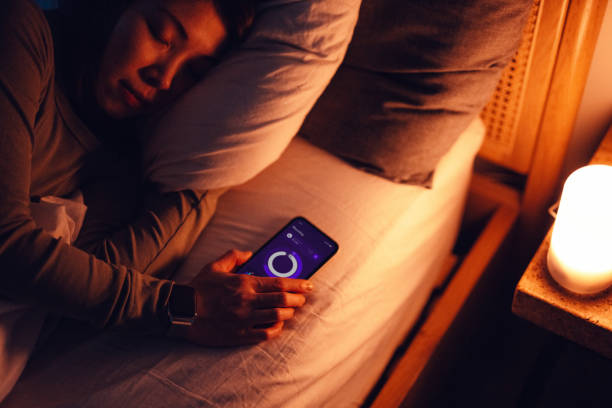
Interactive Dreaming Between Two Sleepers

For decades, sleep was viewed as a private, solitary experience. While we may share a bed, our dreams remain locked inside our own minds, accessible only through fragmented morning recollections. But emerging technologies are beginning to change that. Scientists are developing methods to detect when a sleeper enters a dreaming state, known as REM sleep, and to communicate with them through sensory cues. These include gentle sounds, tactile vibrations, or even specific scents. The next logical step is linking two sleepers so that these cues can be synchronized, creating a shared dream environment.
How would this work in practice? Picture a wearable device, much like a comfortable headband or a smart sleep mask, that monitors brain activity in real time. When both sleepers enter the same stage of REM, the devices communicate with one another. A subtle auditory tone is played to one sleeper, who then incorporates that sound into their dream. The other sleeper receives a matching cue, and over time, both dreamers begin to converge on a similar scenario. Early experiments have shown that trained lucid dreamers can already signal to researchers from within a dream using eye movements. The next step is for two dreamers to exchange those signals, essentially sending a message from one sleeping mind to another.
The potential benefits for couples and sleep partners are profound. Many American adults struggle with feeling disconnected from their partners due to busy schedules, stress, or simply falling asleep at different times. Shared dreaming could become a powerful bonding experience, allowing couples to explore imaginary worlds together, solve problems collaboratively, or simply enjoy a sense of presence even while unconscious. This isn’t about controlling dreams so much as coordinating them. You might decide before bed on a theme—a peaceful beach, a favorite hiking trail, or even a whimsical fantasy scene—and then use synchronized cues to guide both of your minds in that direction.
Of course, this raises important questions about privacy, consent, and the nature of our inner lives. If two people can influence each other’s dreams, who decides what happens? What if one person wants a calm, restorative dream while the other craves adventure? The ethical framework for interactive dreaming is still being developed. Researchers emphasize that any system would need to be voluntary, with clear boundaries and the ability for either sleeper to disengage at any time. Much like waking communication, successful shared dreaming will depend on mutual respect and understanding.
Beyond personal relationships, interactive dreaming has exciting applications for therapy and creativity. Imagine a couple working through relationship issues by safely exploring conflict scenarios in a dream state, or two artists collaborating on a vivid, shared visual narrative. For those dealing with grief or separation, shared dreaming could offer a way to feel close to a distant partner or even a loved one who has passed, though this remains a sensitive and complex area.
The technology is still in its infancy. Current prototypes require heavy lab equipment and extensive training in lucid dreaming. But the rapid advancement of portable EEG sensors, machine learning, and sleep tracking devices suggests that consumer-grade tools could arrive within the next decade. Companies developing sleep wearables are already investing heavily in decoding dream content and triggering specific dream themes. It’s not a stretch to imagine a future where partners buy a “dream sharing kit” alongside their cooling sheets and memory foam pillows.
For now, the best way to prepare for this future is to prioritize excellent sleep hygiene. The more consistent and restorative your sleep, the more likely you are to experience vivid, memorable dreams—and the easier it will be to engage with new dream technologies when they become available. Focus on a cool, dark bedroom, a consistent bedtime, and minimal blue light exposure before sleep. Practice recalling your dreams each morning by keeping a journal next to your bed. If you’re interested in lucid dreaming, consider techniques like reality checks throughout the day or setting an intention before falling asleep.
Interactive dreaming between two sleepers represents a hopeful, imaginative leap forward in how we understand rest. It promises to turn sleep from a passive, isolated activity into an active, shared adventure. While we’re not there yet, the path is becoming clearer. As you work toward your best sleep tonight, remember that the future of dreaming is not just about deeper rest—it’s about deeper connection.
Dream Blog
Real sleep talk for real people.


Triggers Like Alcohol and Antihistamines

Orexin Receptor Antagonists: A New Frontier in Sleep Medications